
Observed Experiential Integration (OEI) Therapy: A Neuroscience-Based Approach to Trauma Healing
Observed & Experiential Integration therapy is an innovative psychotherapy approach grounded in neuroscience and neurophysiology. It is designed to address nervous system dysregulation, including psychological trauma, dissociation, and preverbal body-based trauma.
How OEI Therapy Works: A Neuroscience-Based Approach
Trauma affects brain function by disrupting communication between key neural structures, including the amygdala, hippocampus (process and organizes memory), and prefrontal cortex (rational thinking), which can lead to chronic stress responses.
OEI therapy utilizes a number of eye movement techniques that involve covering and uncovering the eyes or tracking a visual stimulus. This process engages the brain’s visual processing pathways, allowing for bilateral integration of both hemispheres.
Why Integration Is So Important
When trauma is not integrated traumatic memories feel like they are happening in the present moment, you feel stuck and triggered AF. Integration puts the trauma into the past where it belongs, you feel like there’s distance between you and what happened, you feel like safety is a possibility again, when you’re no longer looking at the future from your past.
By stimulating neural connections through the occipital nerve (processes vision), OEI helps clear trauma imprints stored in the body and nervous system.
Beyond trauma, OEI has been shown to be effective in treating self-esteem issues, compulsions, body dysmorphia, agitated depression, substance use, and interpersonal conflicts.
How OEI Therapy Rewires the Brain for Healing
Observed Experiential Integration Therapy (OEI) is a neuroscience-based approach to healing that integrates principles of psychotherapy, somatic therapy, and mindfulness.
Developed by Audrey Cook and my mentor, Dr. Rick Bradshaw, OEI therapy enhances self-awareness, emotional regulation, and the integration of fragmented experiences by engaging the brain’s innate, but often elusive, ability to process and resolve trauma.
The foundation of OEI therapy is based on observing neural responses to trauma activation. During its early development, researchers noticed that when individuals recalled traumatic memories, their eyes exhibited subtle movements or irregularities. These involuntary movements indicate that the brain’s survival response is activated, often linked to heightened activity in the amygdala and reduced regulation from the prefrontal cortex.
By tracking these eye movement patterns, our trained OEI therapist can identify when a client is in a state of trauma activation. This allows for timely intervention using targeted eye movement techniques, which facilitate neural reprocessing.
By guiding the client’s eyes through specific visual field movements, OEI stimulates brain activity via the occipital lobe and engages the corpus callosum, the structure that connects the brain’s hemispheres. This bilateral engagement promotes integration of traumatic memories, allowing the nervous system to release stored distress and shift toward regulation.
OEI therapy incorporates multiple therapeutic techniques to support neural reprocessing and emotional healing. These include:
- Mindfulness practices, which enhance present-moment awareness and reduce hyperarousal by activating the brain’s default mode network (DMN), where rumination and negative self-perception are processed.
- Experiential techniques, which engage the brain’s limbic system to process and integrate emotions.
- Somatic awareness, which helps clients attune to interoception (the brain’s perception of internal body states) and regulate physical responses to trauma.
- Trauma-informed interventions, which create a safe and controlled environment for the nervous system to recalibrate and move from fight-or-flight responses into a state of regulation.
Healing Trauma with OEI Therapy in Vancouver
OEI has demonstrated effectiveness in treating a wide range of psychological conditions. It is particularly beneficial for Post-Traumatic Stress Disorder (PTSD) by helping the brain reprocess fragmented trauma memories and shift from fear-based responses to cognitive integration.
Additionally, OEI therapy can improve anxiety, depression, emotional dysregulation, self-criticism, and relational difficulties by enhancing communication between the prefrontal cortex and limbic system. This supports adaptive emotional processing and long-term mental resilience.
EMDR vs. OEI
Traditional talk therapy and even EMDR can sometimes revivify trauma, forcing individuals to repeatedly recall distressing memories – Remembering is not recovering.
Remembering and reliving traumatic memories can retrigger the nervous system, reinforcing fear responses rather than resolving them.
OEI, in contrast, is a gentler, nonverbal approach that works directly with the brain’s natural processing systems. By using subtle eye movements instead of verbal processing, OEI helps the nervous system integrate trauma without overwhelming re-exposure, making healing faster, safer, and more effective for those who are already triggered AF.
Accelerated OEI therapy can help resolve your trauma and put it into the past, even if nothing else has worked. A consultation with our qualified therapist can show you how OEI can help you put the past into the past so you can create a safe, fulfilling future.
Contact us today to learn more about Accelerated OEI therapy and how it can support lasting emotional and neurological healing for your trauma.
Listen, are you breathing just a little and calling it a life?
-MO
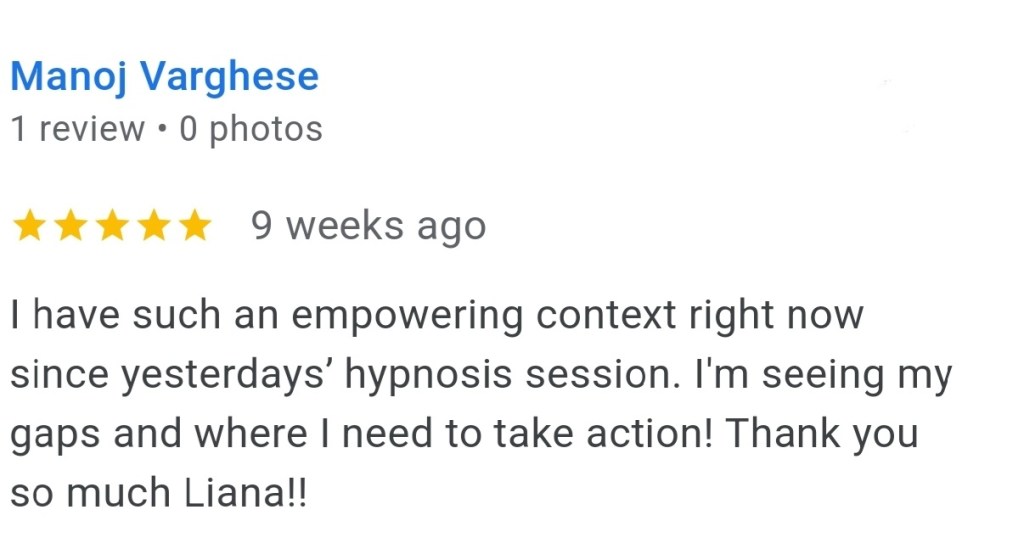
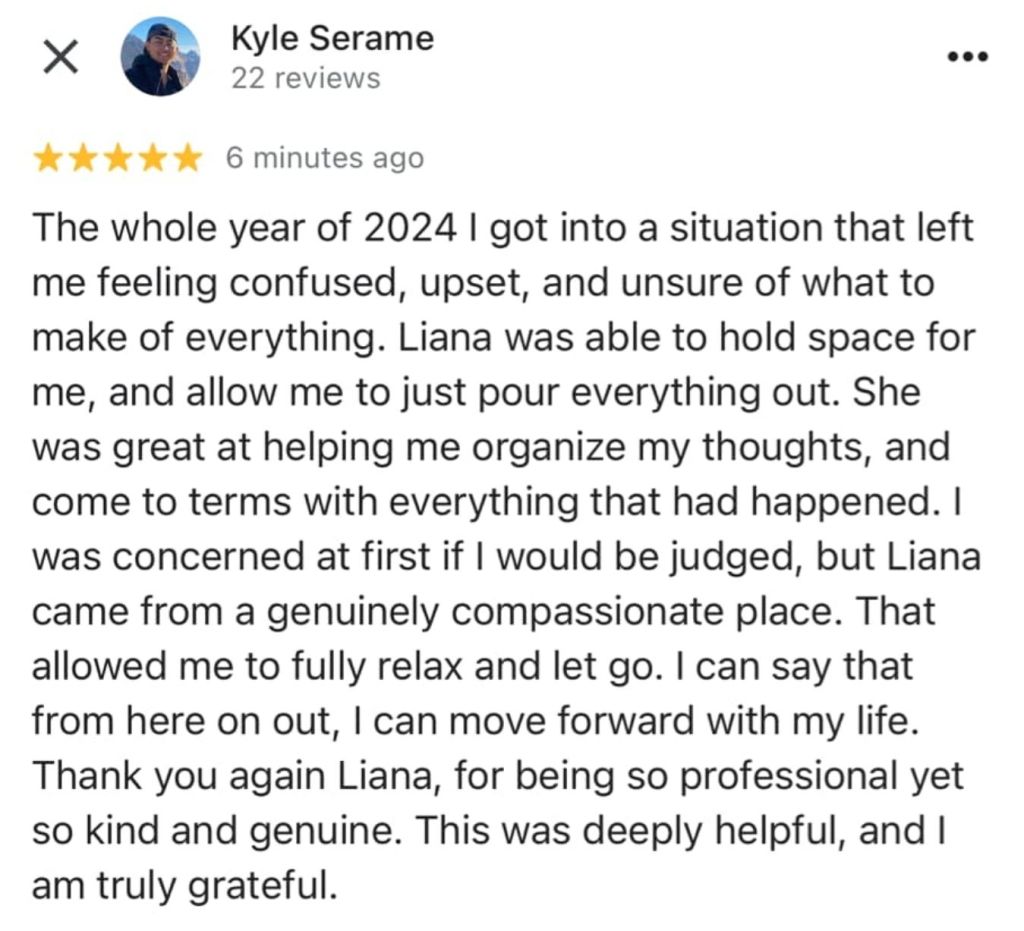
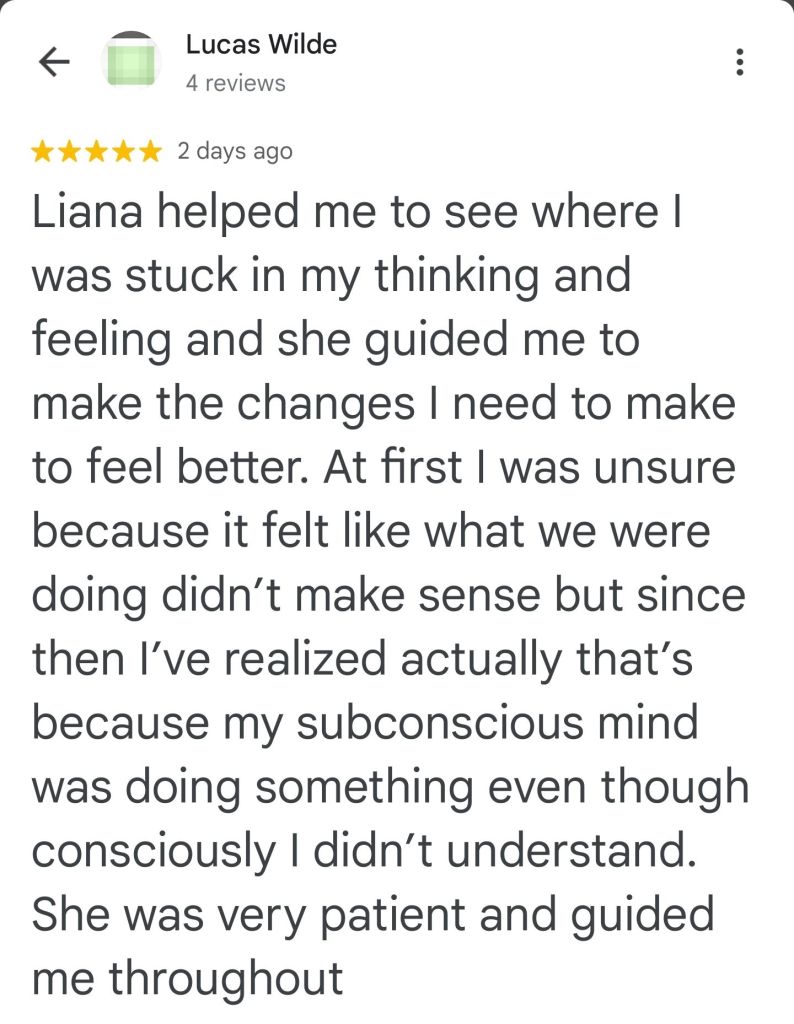
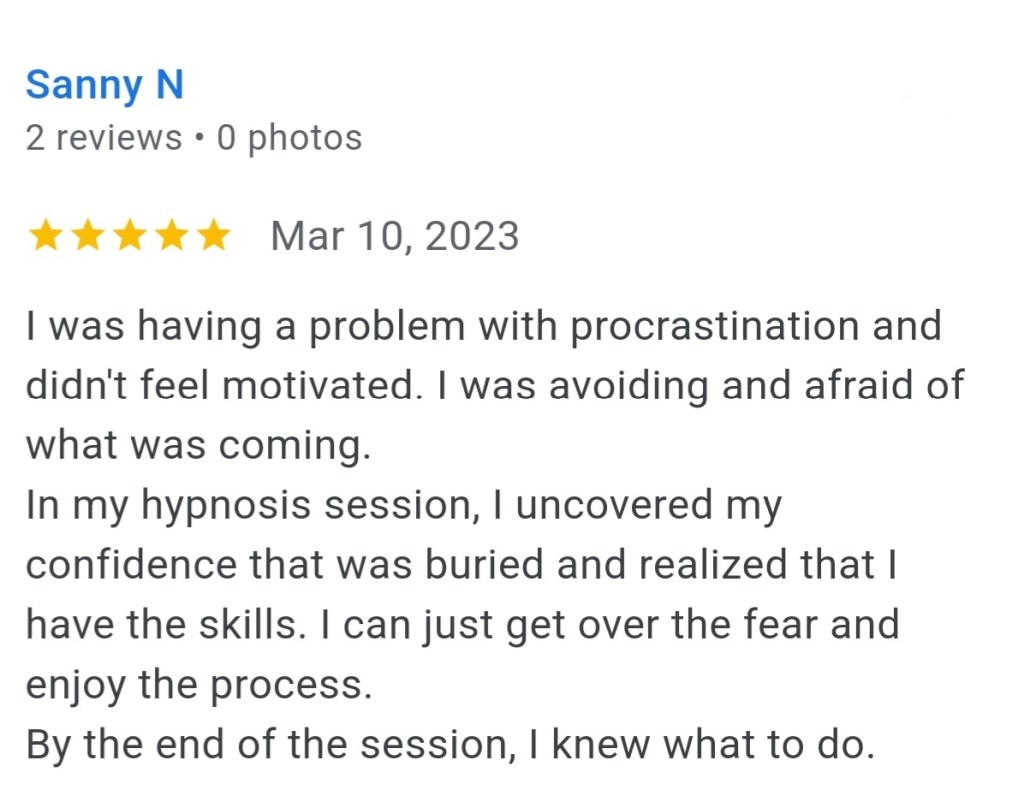
REVIEWS






























 Accelerated OEI Therapy
Leave a comment