
OEI vs. EMDR: Is OEI The SAFER Trauma Therapy Option For You?
Trauma therapy has evolved significantly, with methods like Eye Movement Desensitization and Reprocessing (EMDR) and Observed and Experiential Integration (OEI) offering innovative ways to heal.
OEI therapy evolved from EMDR and was developed by Audrey Cook and my mentor, Dr. Rick Bradshaw for neuroscience-backed resolution of trauma.
While EMDR has long been recognized as an effective treatment for trauma, OEI presents a compelling alternative that may be safer, more gentle and effective.
OEI therapy may be a better choice for trauma survivors because of its neuroscience-backed effectiveness and reduced risk of retraumatization.
What is OEI?
Observed and Experiential Integration (OEI) is a neurobiological therapy designed to address trauma stored in the body. It uses eye movements and alternates between covering and uncovering the eyes to access and integrate traumatic memories.
Remembering is not recovering
Unlike EMDR, OEI does not require clients to verbally recount their trauma or experience vivid revivification of traumatic events. Instead, it focuses on physical sensations and emotional responses tied to trauma, making it a gentler approach for many[1 as recalling trauma causes you to re-experience it, which is exactly what trauma survivors are trying to avoid.
Why OEI May Be Safer Than EMDR
No Verbalization Required
OEI allows clients to process trauma without having to talk about it explicitly, which can be particularly beneficial for those with severe or complex trauma. This avoids the risk of retraumatization that can occur when reliving painful memories1.
No Revivification
Unlike EMDR, which often involves vivid recall of traumatic events, OEI works by accessing the brain’s visual pathways and integrating stored trauma without requiring conscious recollection. This makes it less overwhelming for clients.
Neuroscience-Backed Effectiveness
OEI targets deeper brain areas associated with intense symptoms like panic attacks and dissociation. By guiding eye movements, the therapy helps release stored multisensory experiences and integrates them across brain hemispheres, reducing emotional intensity and triggers.
How Does OEI Compare to EMDR?
Verbal Recounting: EMDR typically requires verbal recounting, where clients describe their traumatic memories to process them, whereas OEI requires no verbal recounting—clients can work silently, focusing inward without needing to verbally narrate their experience.
Revivification: EMDR often involves reliving trauma, asking clients to revisit distressing memories in detail as part of desensitization, while OEI avoids reliving the trauma directly, instead emphasizing physical sensations and present-moment awareness to process without re-immersion.
Neuroscience Basis: EMDR relies on bilateral stimulation, such as side-to-side eye movements or taps, to activate both brain hemispheres and facilitate memory reprocessing, whereas OEI uses visual pathways integration, employing eye-switching techniques to bridge hemispheric communication and calm the nervous system.
Client Suitability: EMDR can feel intense for victims of trauma, especially for those sensitive to revisiting trauma, making it less ideal pathway to healing; OEI offers a gentler approach, often better suited for complex trauma cases, as it minimizes overwhelm and prioritizes safety.
OEI Therapy for Trauma Recovery
OEI offers a safer alternative to EMDR for individuals who might struggle with verbalizing or reliving their trauma.
OEI therapy has a non-invasive approach, grounded in neuroscience, which ensures effective healing without the emotional risks associated with traditional talk therapy and desensitization methods like EMDR.
If you’re seeking relief from trauma without revisiting painful memories, let’s connect to see how Accelerated OEI can help you move on from a painful past to a more fulfilling future.
For more information on OEI research.
Listen, are you breathing just a little and calling it a life?
-MO





























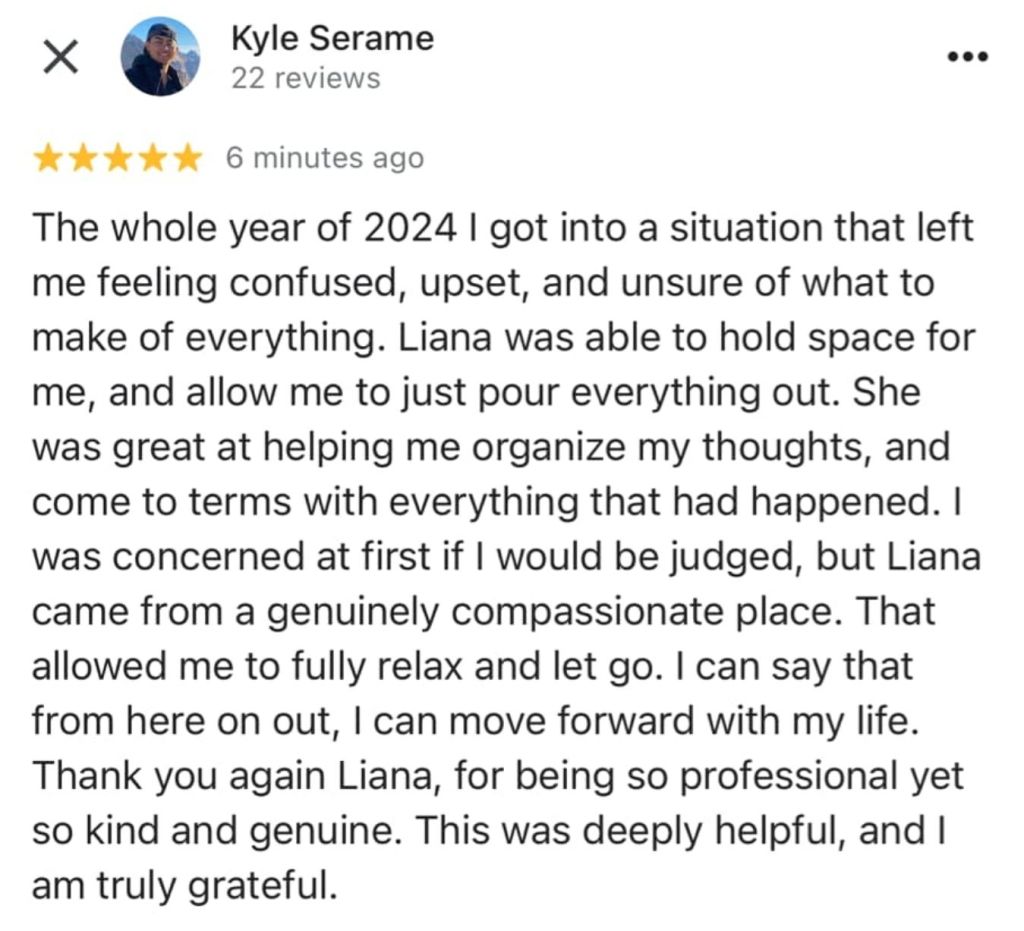


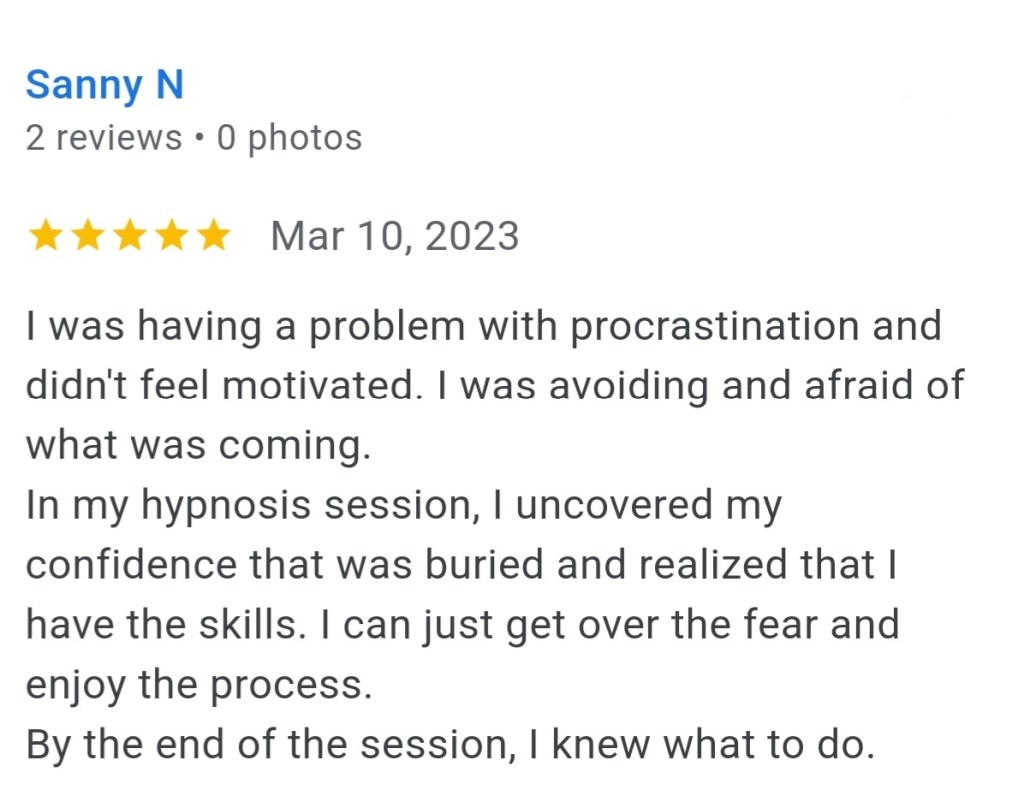

 Accelerated OEI Therapy
Leave a comment