
OEI Therapy vs. EMDR: Understanding the Key Differences that will make the difference
OEI (Observed and Experiential Integration) therapy and EMDR (Eye Movement Desensitization and Reprocessing) are both evidence-based trauma therapies designed to help individuals process trauma.
EMDR uses exposure and desensitization as clients discuss specific aspects of their traumatic memories and negative self beliefs, while engaging in bilateral stimulation (eye movements, taps, or tones).
Observed Experiential Integration (OEI) Therapy is a trauma-processing therapy that uses visual pathways to integrate both brain hemispheres, reducing anxiety and trauma symptoms, and evolved out of EMDR therapy, by my mentor, Dr. Rick Bradshaw.
Because clients are stuck in a learned procedure of trauma, Accelerated OEI does not require clients to talk about their trauma, it can stay in the subconscious where it can be integrated. When trauma is integrated, it will feel like it is the past.
OEI vs. EMDR: A Side-by-Side Comparison
EMDR: Primarily targets specific aspects of traumatic memories to desensitize, emotions, thoughts, and behaviors using bilateral stimulation (eye movements, tapping, or auditory cues) to facilitate memory processing.
OEI: Focuses on integrating visual pathways and both brain hemispheres to reduce anxiety and trauma through techniques like “Switching,” “Sweeping,” and “Glitch Massaging.”
Talking about trauma revivifies the experience (causing clients to relive them), we do not further reinforce the conditioning because the problem with trauma is that clients are already drowning in the past – they want to be free from the past, not have to focus on it in therapy. Exposure therapy is what can be referred to as iatrogenic harm, the treatment unintentionally does further harm by revivifying memories and causes the client to relive the trauma, as it tries to resolve it.
Techniques
EMDR: Follows an eight-phase structured protocol, including history-taking, preparation, desensitization, and reprocessing, with guided eye movements as a core component.
OEI: Uses intuitive techniques such as:
- Switching: Eye covering to access and integrate traumatic memories and integrate brain hemispheres
- Sweeping: Moving the eyes in specific motions to aid emotional processing
- Glitch Massaging: Addressing slivers of memory and emotional blocks that have kept you stuck
Mechanism
EMDR: Thought to work similarly to REM sleep, involving pontogeniculooccipital (PGO) waves that help the brain reprocess distressing memories as they are recalled.
OEI: Operates on a different principle, using targeted eye movements to access and integrate fragmented trauma memories through
Hemispheric integration: Coordinated integration of the left and right hemispheres of the brain during trauma processing and memory integration.
Vertical integration: Lower brain structures like the hippocampal dentate, thalamus, and amygdala integrating with the cortex and subcortical structures like the cingulate cortex
Posterior to Anterior Integration: Parietal to prefrontal cortex, as observed in the classic study by Scott Rauch et al.
Therapeutic Approach:
EMDR: A highly structured method following a specific protocol to systematically process trauma.
OEI: Flexible and adaptive to the unique needs and history of the individual, allowing for a personalized approach and response to the client’s unique experience of trauma to facilitate more effective healing.
Similarities Between OEI and EMDR
- Both are effective in treating PTSD, dissociative disorders, anxiety, addictions, and panic attacks.
- Both facilitate memory integration, reducing distress and improving emotional regulation.
- Both can lead to significant symptom relief and improved overall well-being.
Which Therapy is Right for You?
Choosing between OEI and EMDR depends on your hyperarousal, be kind to yourself, especially if you’re experiencing trauma as if it is still happening in the present moment. While EMDR is widely recognized and follows a structured approach, OEI offers a more adaptable, brain-based method without the need to trigger yourself by talking and remembering the trauma. When the brain integrates visual and neurological processing, you will feel like your trauma is in the past and that’s there distance.
When there’s distance between you and the past, you have space to connect with your authentic self, find hope and create a whole new future.
If you’ve been stuck in trauma and ready to experience healing, you can discover if OEI therapy (accelerated with hypnotherapy) is right for you.
Let’s connect.
Listen, are you breathing just a little and calling it a life?
-MO
Reviews
















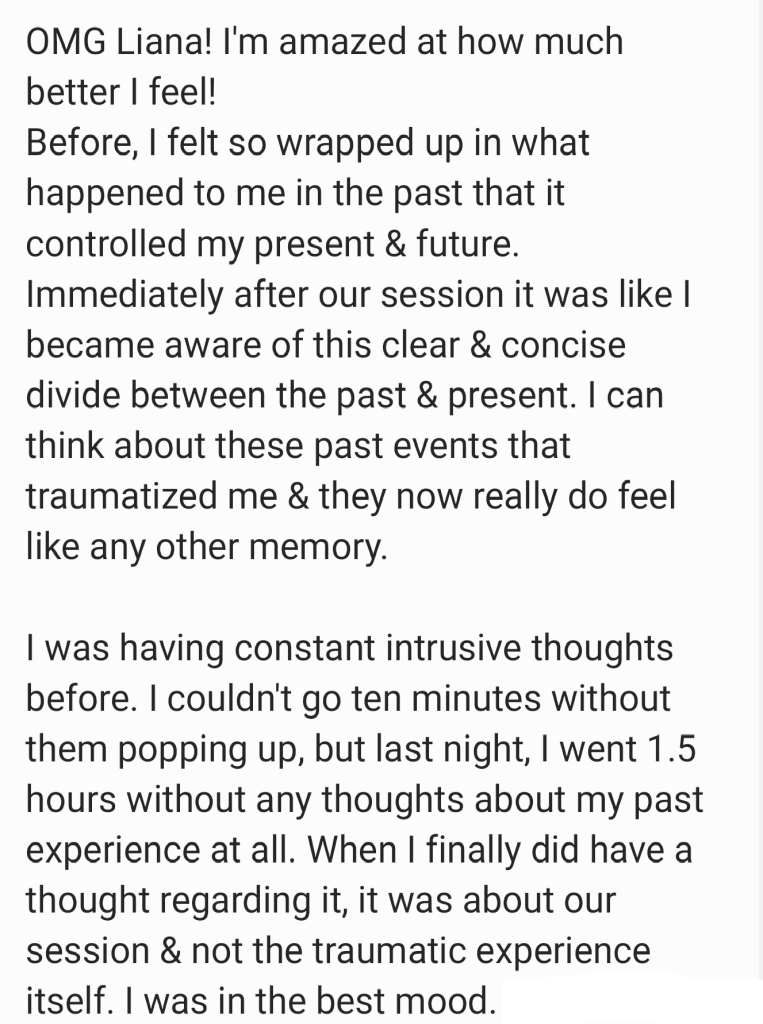












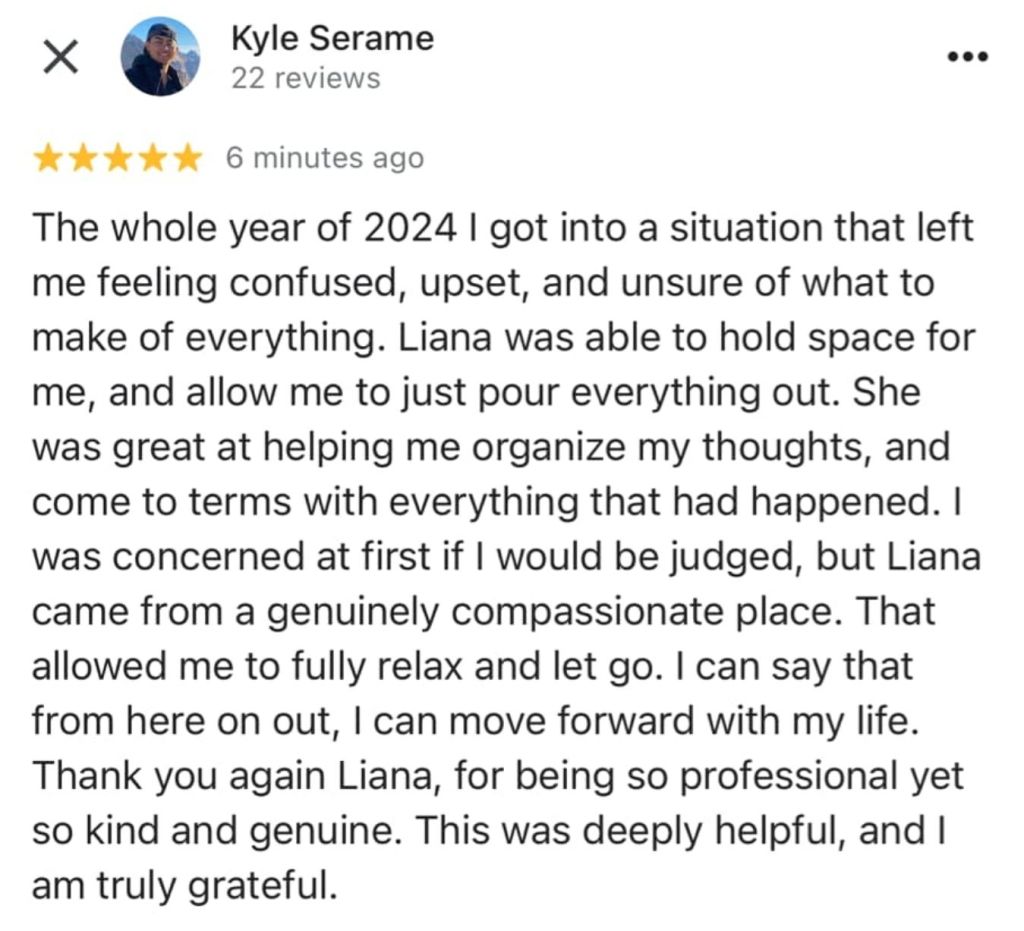

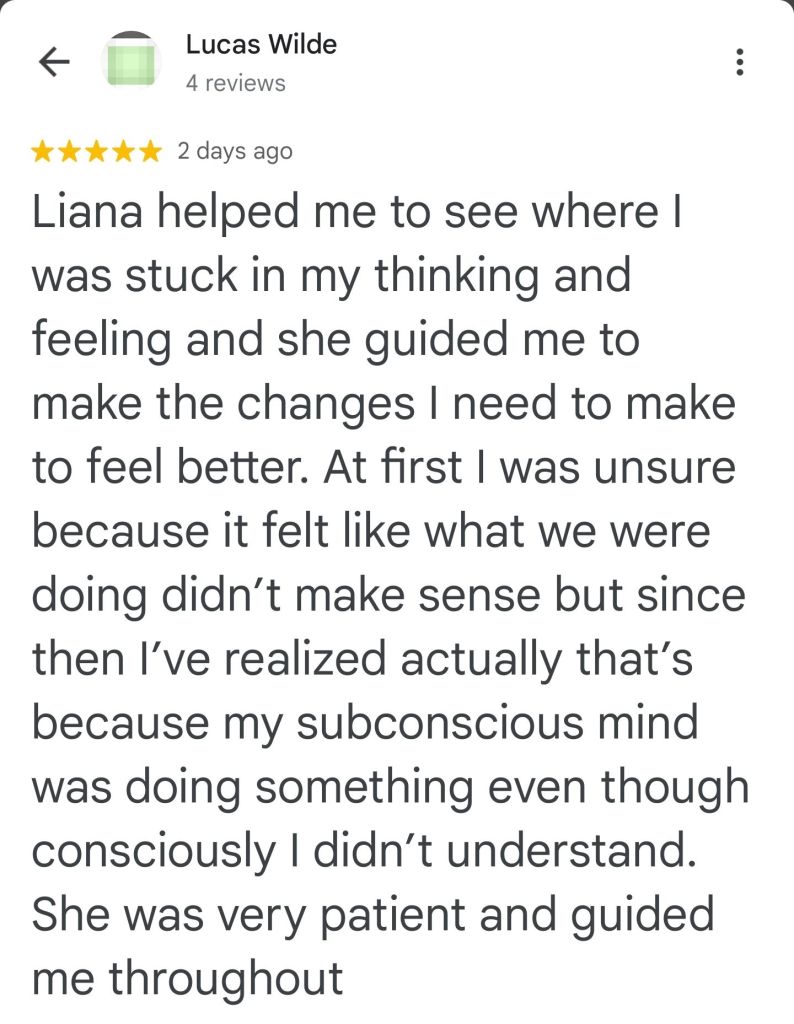
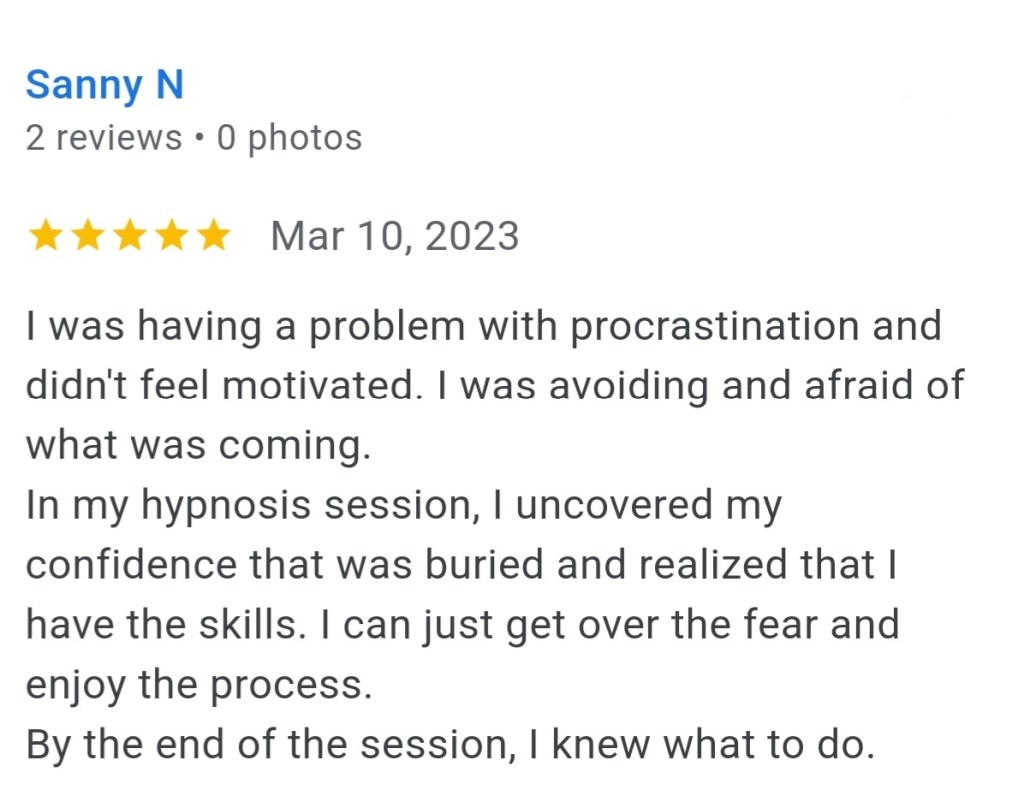

 Accelerated OEI Therapy
Leave a comment