
Understanding OEI Therapy: A Neuroscience-Based Approach
OEI therapy is a trauma treatment that uses eye positioning, bilateral stimulation, and somatic awareness to access and integrate traumatic memories. It works directly with the subconscious mind, bypassing talk therapy and targeting body-based emotional responses. OEI is particularly effective for people with dissociation, relational trauma, and those who struggle to verbalize their pain.
What Is EMDR and How Does It Work?
EMDR helps clients reprocess traumatic memories by stimulating both sides of the brain through eye movements or tapping while they recall and focus on a focus memory. Clients recall distressing events and focus on discomfort in the body while guided to shift their cognitive and emotional reactions. EMDR is widely used for PTSD, phobias, and complex trauma, and is often structured over eight phases of treatment.
OEI therapy vs EMDR: What’s the Difference?
While both therapies use bilateral stimulation, OEI focuses more on nonverbal cues, eye positioning, and somatic release, making it ideal for clients who are overwhelmed by remembering and re-living the trauma through revivification. EMDR is more structured, verbal, and cognitive in nature, whilst OEI allows for faster emotional integration, especially with childhood trauma and relational wounds.
Choosing the Right Trauma Therapy for You
OEI may be the better choice for those who feel stuck and dissociate during traditional talk therapy, or are uncomfortable with reliving traumatic memories in detail. Trauma causes you to stay stuck in the here and now because it hijacks the present moment.
EMDR works well for clients who can tolerate remembering and reprocessing past events. Both are trauma-informed, brain-based, and effective when facilitated by skilled clinicians; however, OEI therapy is based in neuroscience of how the brain processes or has not processed trauma, and provides a gentle, safe option for individuals who want to put trauma in the past so they can move on to a future filled with new possibilities.
Listen, are you breathing just a little and calling it a life?
-MO
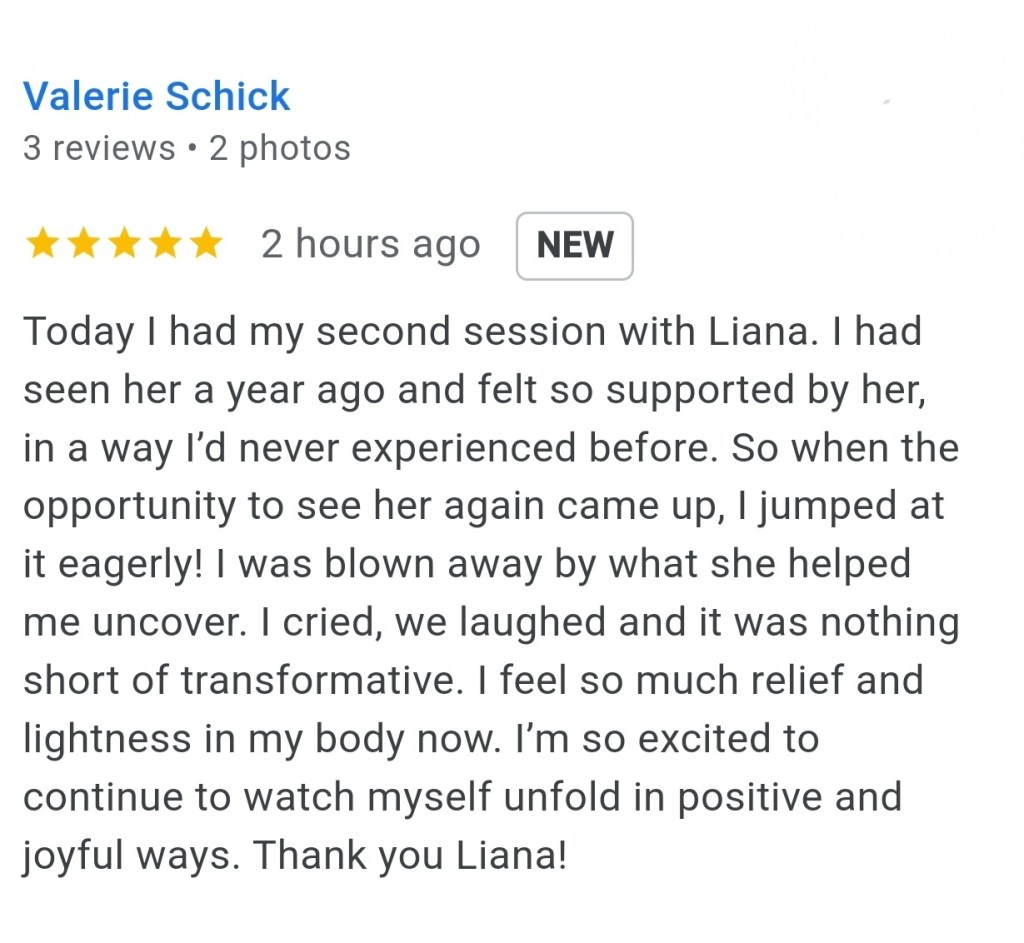
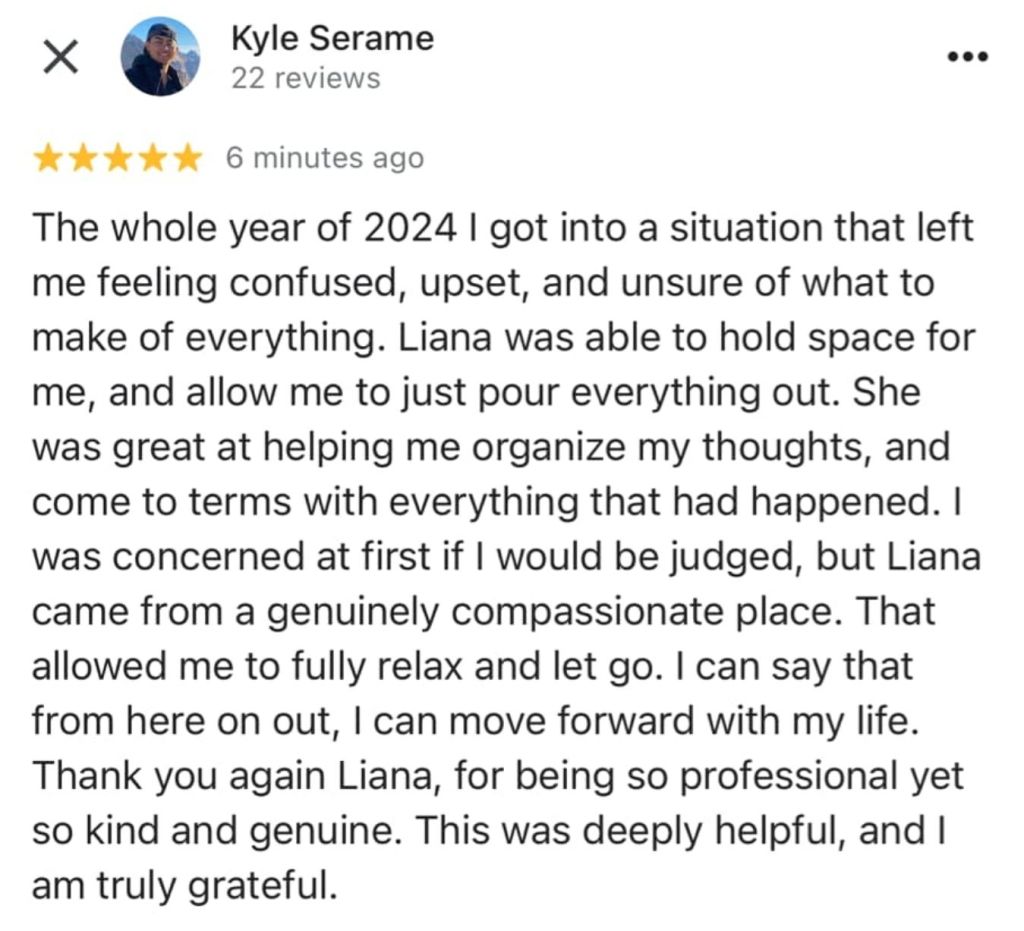
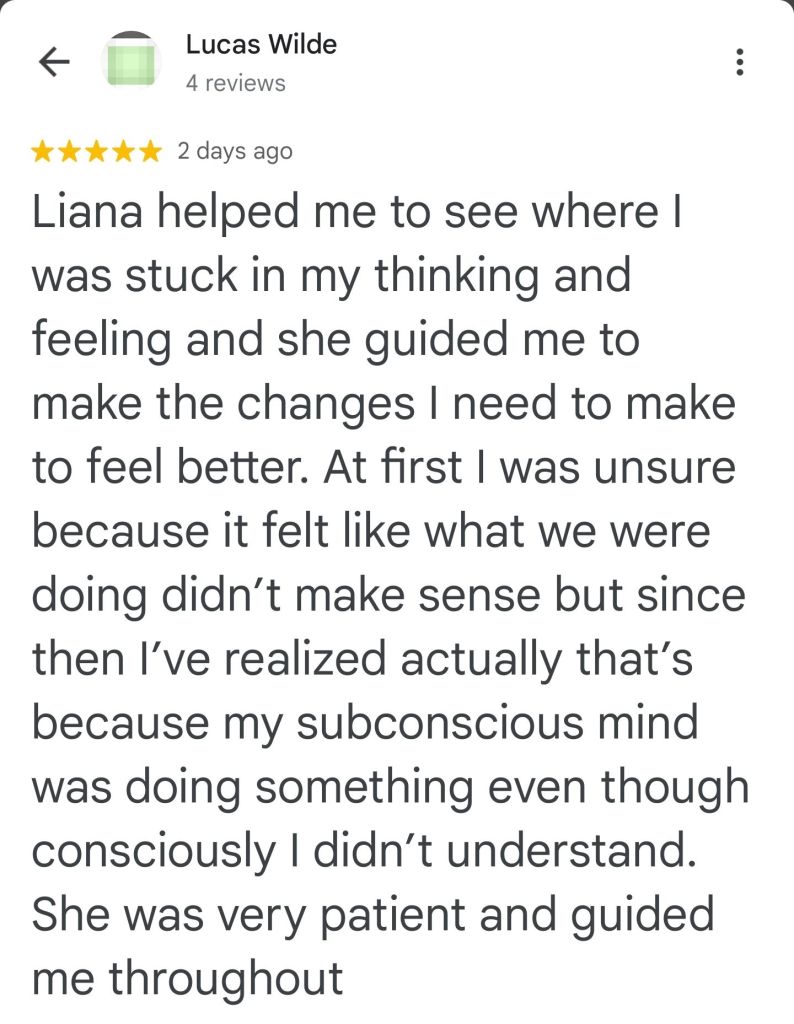
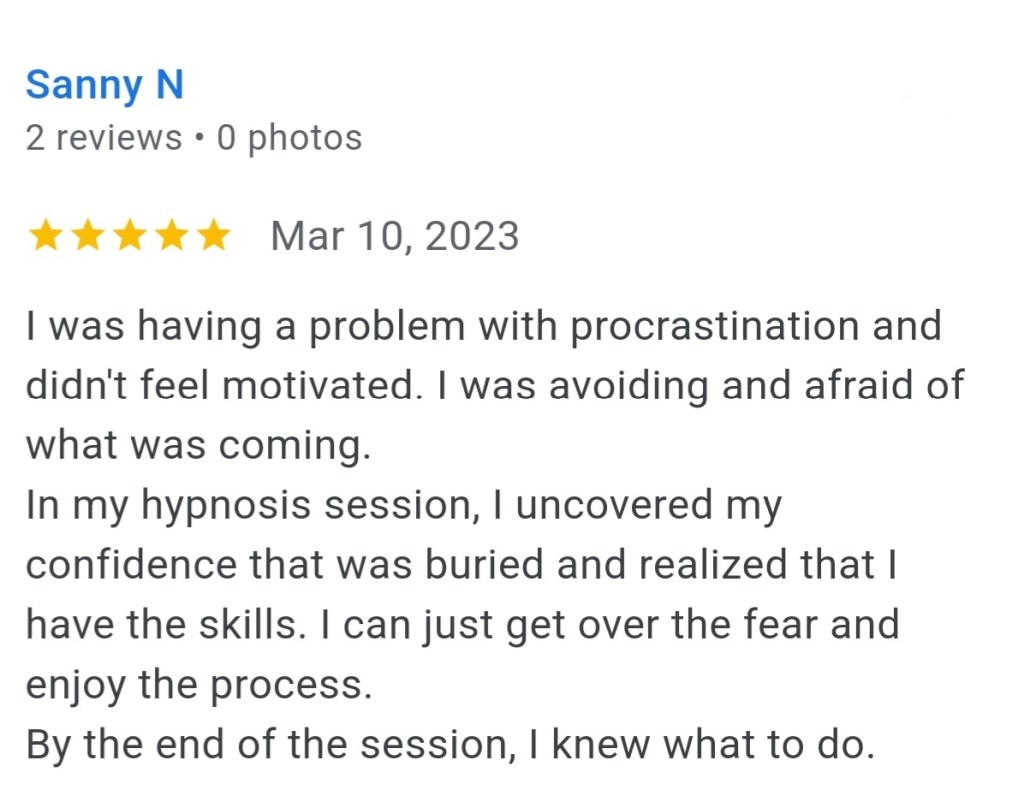
Reviews


























 Accelerated OEI Therapy
Leave a comment