
What is OEI Therapy?
Observed Experiential Integration (OEI) is one of those newer methods. It was created in Vancouver by Audrey Cook and my mentor, Dr. Rick Bradshaw to address gaps in traditional trauma therapy.
OEI works by targeting how the brain stores trauma, using basic principles from neuroscience. That matters, because trauma often affects brain areas that don’t respond well to language.
What OEI Can Help With
OEI may help reduce flashbacks, nightmares, hypervigilance, anxiety, and fear. It accesses the parts of the brain that hold trauma that are stuck in a loop of intrusive thoughts, anxiety, and feeling triggered AF.
Because OEI therapy uses non-verbal processing and aligns with how the brain processes traumatic memories, it can work for chronic pain and trauma, even if you’ve tried everything but nothing seems to be sticking.
Why Talk Therapy Doesn’t Always Work for Trauma
For years, trauma therapy meant talk therapy. Clients shared what happened and tried to heal by talking through it. Sometimes it worked. Often it made things worse. Therapists saw mixed results and started looking for better ways to treat trauma more consistently.
Here’s the thing.
You’re already stuck in trauma, reexperiencing what happened through intrusive thoughts and massive discomfort in their bodies. Talk therapy re-traumatizes you because it requires you to keep talking about the experience, which is what you’re trying to break free from. Putting trauma into a narrative is a problem for individuals who have experience trauma because the brain fragments these overwhelming experience, so they are not filed away neatly into memory with a narrative of a logical sequence of events.
Why Talking Doesn’t Resolve the Trauma
When something traumatic happens, the brain activates a survival response—fight, flight, or freeze. The memory gets stored differently than happy or neutral memories, in a way that feels unsafe, and like it is a current event, not something that has happened in the past. Traumatic memories are disconnected from speech. This is why you experience trauma in the here and now, and you revivify it when you try to talk about it.
Why would you want to do that?
How Observed Experiential Integration (OEI) Helps Access and Process Trauma
OEI therapy uses visual and neurological processing rather than using verbal processing to resolve trauma. You’re guided through structured eye movement techniques to access trauma memories in a way that feels safer and more manageable by using the visual processing system, rather than verbal processing- talking about trauma.
Some clients feel a significant decrease in trauma symptoms in just two to four sessions. Others with complex trauma may need more sessions but still notice shifts that they can take with them beyond the session.
Simple vs. Complex Trauma
OEI therapy can help with both simple and complex trauma. Simple trauma usually involves a single adult event like infidelity. Complex trauma often begins in childhood, involves more than one event, and usually includes emotional abuse or a history of betrayal.
If trauma is still hijacking your brain and body OEI may offer a new pathway to feel safe, find yourself, and feel hopeful again.
Let’s connect.
Listen, are you breathing just a little and calling it a life?
-MO
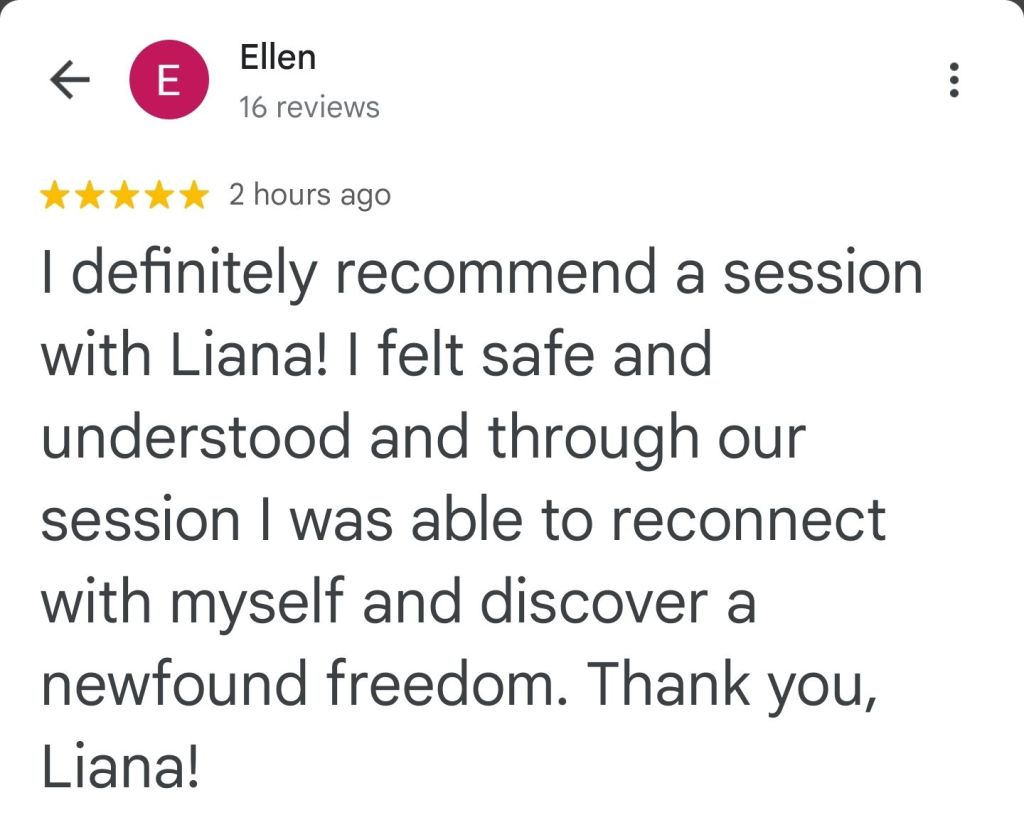
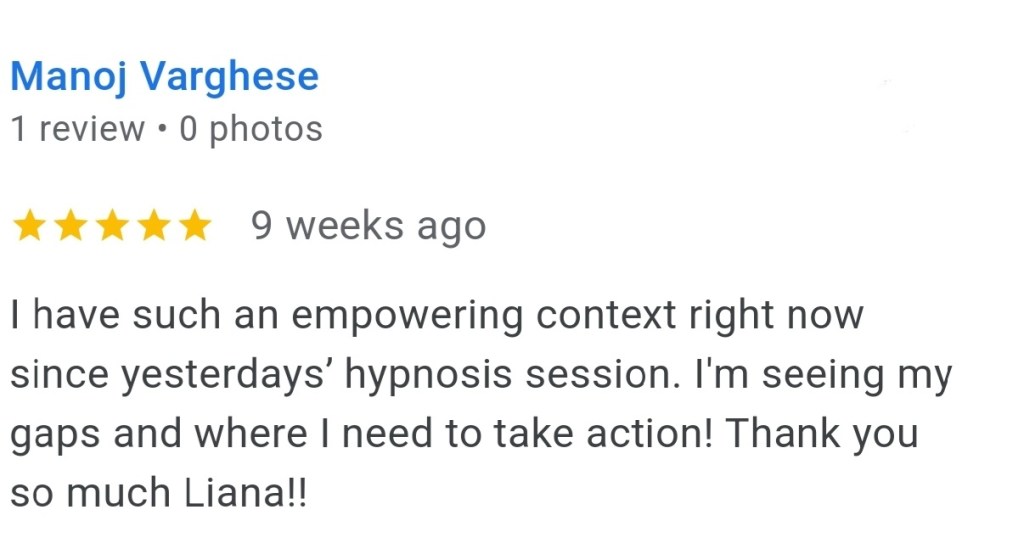
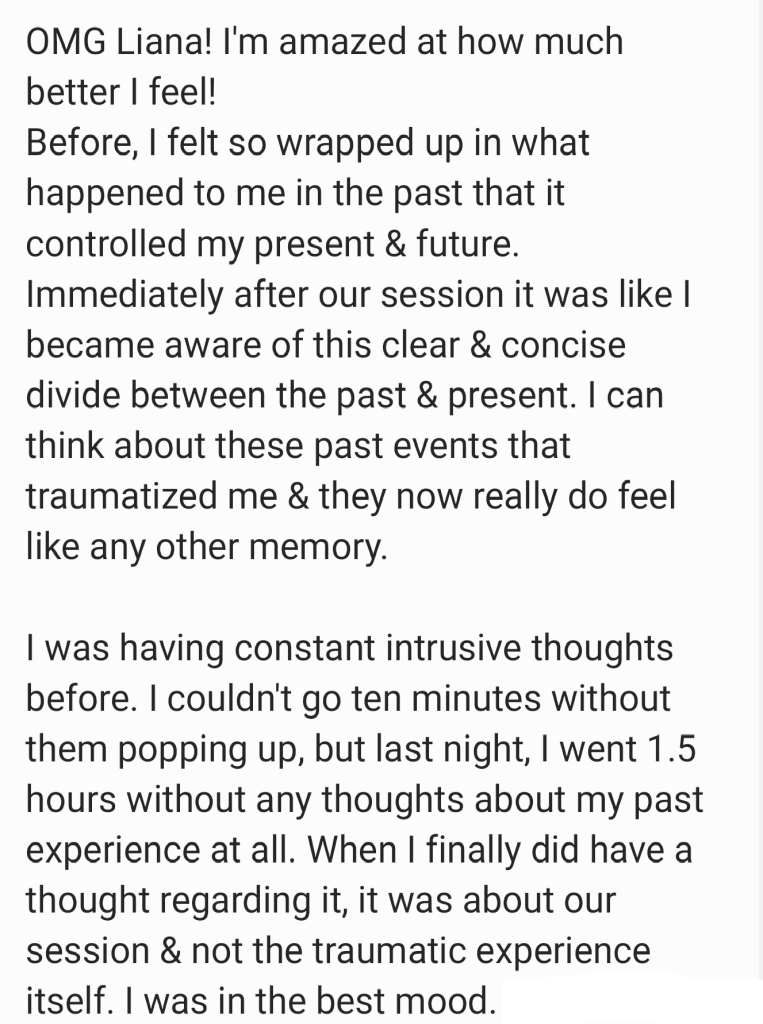
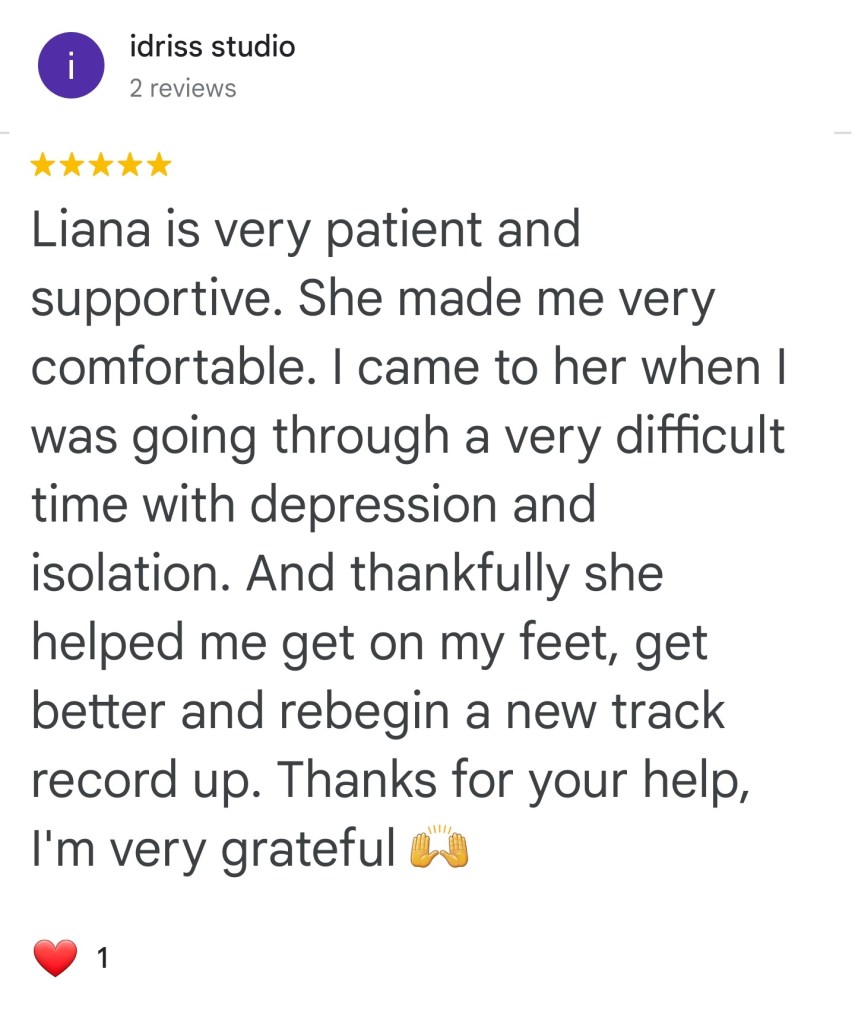
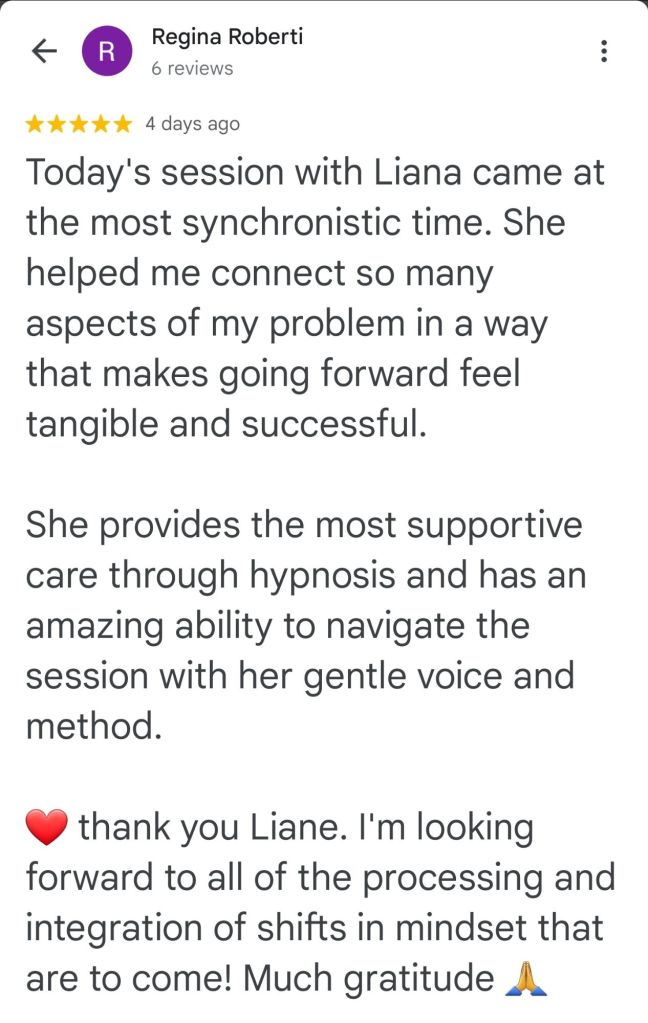
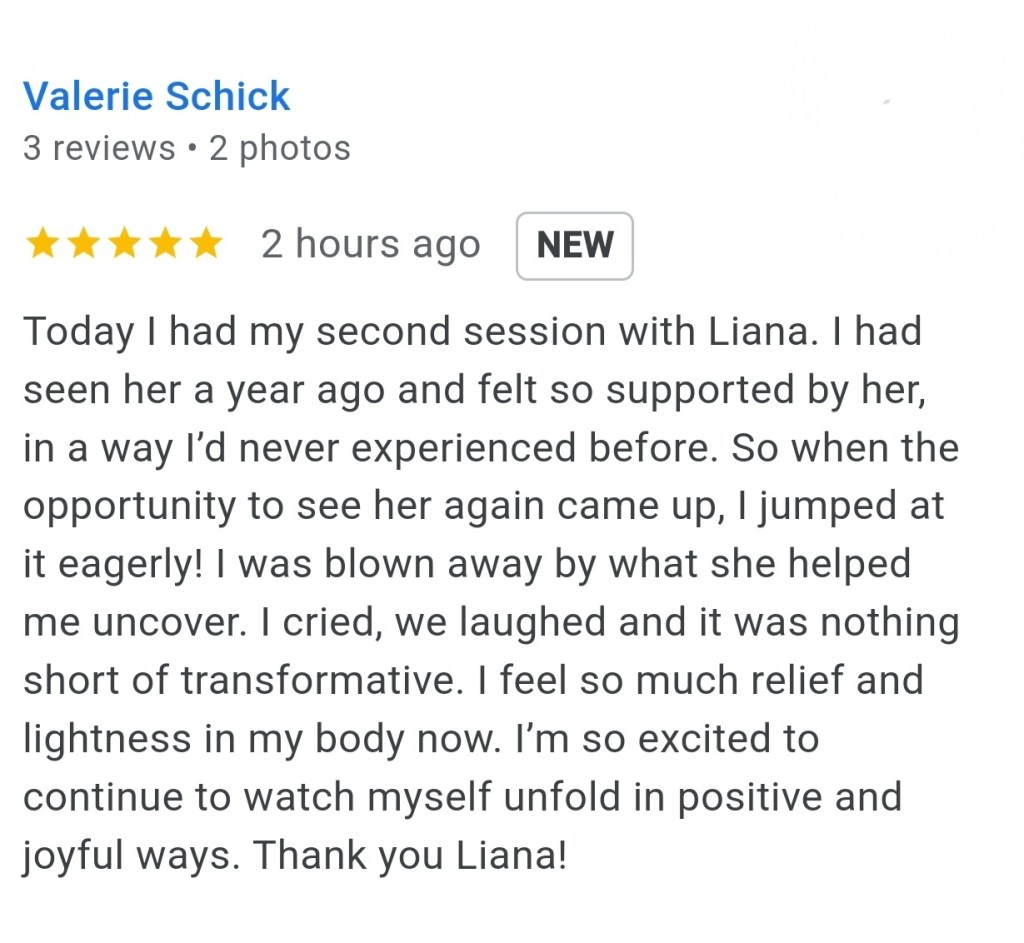
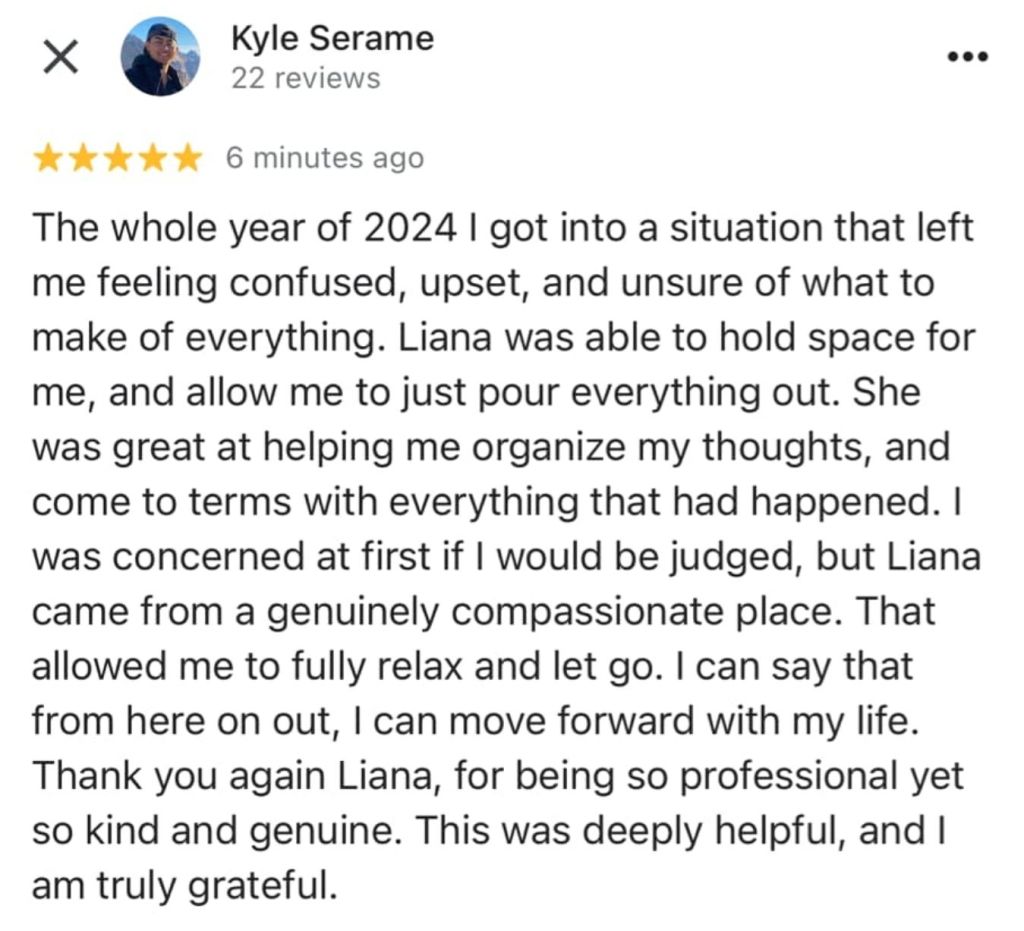
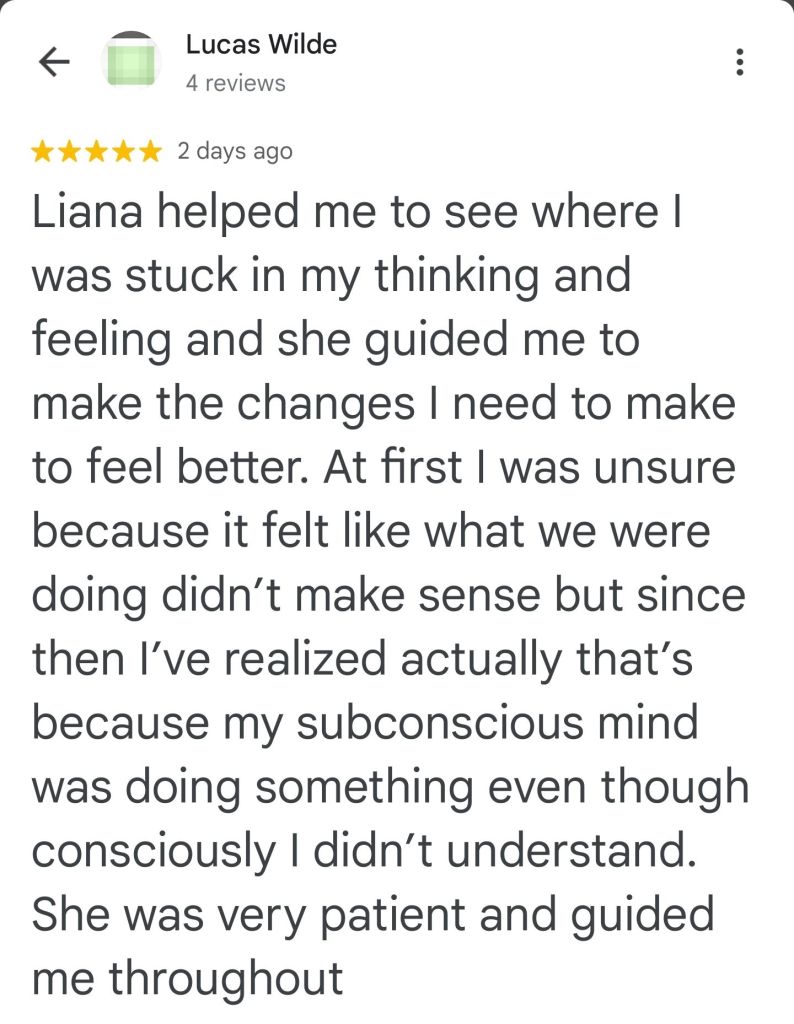
REVIEWS

























 Accelerated OEI Therapy
Leave a comment