
Why Trauma Disrupts Sleep
Why Trauma Disrupts Sleep
When you’ve been through trauma, you’re hyper-vigilant because your nervous system doesn’t shut off easily. Even when the day is over, you feel unsafe, hopeless, and triggered AF.
You might lie in bed, tired but wired, with your brain ruminating, caught in a loop of past events. That’s because trauma puts the brain in survival mode—and it doesn’t know when to stop because the trauma feels like it is happening in the present moment.
PTSD & Sleep Issues
People with PTSD and complex trauma often report chronic sleep problems. A study in Journal of Clinical Sleep Medicine found that sleep disturbance is one of the most common—and persistent—symptoms after trauma.
Research shows that trauma affects the brain’s ability to regulate emotional reactivity because the logical, thinking parts of you brain that helps regulate emotions goes offline. That means your system stays hypervigilant, and reactive, even when there’s no real danger. Your experience of trauma makes it hard to fall asleep, stay asleep, or feel rested when you wake up.
Sleep Symptoms Linked to Trauma
- Trouble falling asleep
- Waking up in the night
- Nightmares or disturbing dreams
- Panic or heart pounding on waking
- Avoiding sleep to avoid dreams
- Feeling tired after sleeping
Sleep symptoms linked to trauma are common and can seriously affect daily life. Sleep can also affect your weight. These problems often persist after trauma and may become a separate issues that adds to the overwhelm. Addressing sleep disturbances early can help reduce trauma-related distress and support recovery.
Why Sleep Doesn’t Get Better Over Time
Sleep is regulated by your nervous system. When trauma is stuck in the body, your system stays on guard. This means even if you’re physically safe now, your brain and body don’t get the memo. No amount of logic or reassurance can override the trauma that is stuck in your brain and body. It will show up in your sleep or lack of.
That’s why you might feel so tired, but you can’t sleep because your brain and body are stuck in the overwhelm and hypervigilance of the past.
How OEI Therapy Helps Trauma and Sleep
Observed Experiential Integration (OEI) is a therapy that helps the brain process trauma gently. It uses simple eye movements and body awareness to shift trauma out of the “here and now” and into the past, so it feel like it happened “way over there, back then”.
Why Talk Therapy Doesn’t Help Trauma
Traditional therapy often focuses on talking things through and trying to understand what happened. But trauma isn’t stored in words—it’s stored in the body as feelings. Talking about it can actually make things worse by reactivating the pain instead of releasing it. This is called an Iatrogenic effect, when what you’re doing to try to fix trauma, unintentionally makes it worse.
Remembering isn’t recovering. That’s why many people feel stuck or triggered AF after talking about their trauma, even when they’re trying to heal.
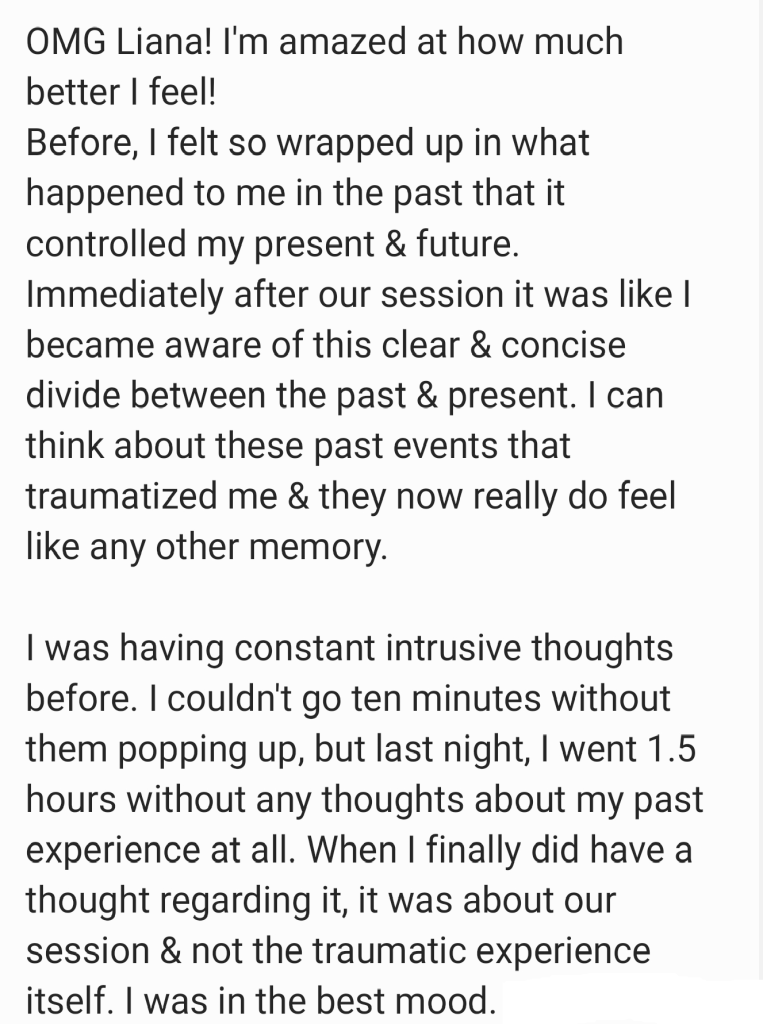
Observed and Experiential Integration (OEI) works with the parts of the brain that don’t respond to traditional talk therapy, using the visual, not verbal, pathways. OEI therapy helps your nervous system feel safe again, without requiring you to talk about personal, painful details that revivify the trauma. And when your system settles, sleep starts to come more naturally.
What Clients Notice After OEI
- Feeling calmer at bedtime
- Fall asleep faster
- Fewer nightmares
- Waking up less during the night
- Able to get back to sleep
- Feel rested in the morning
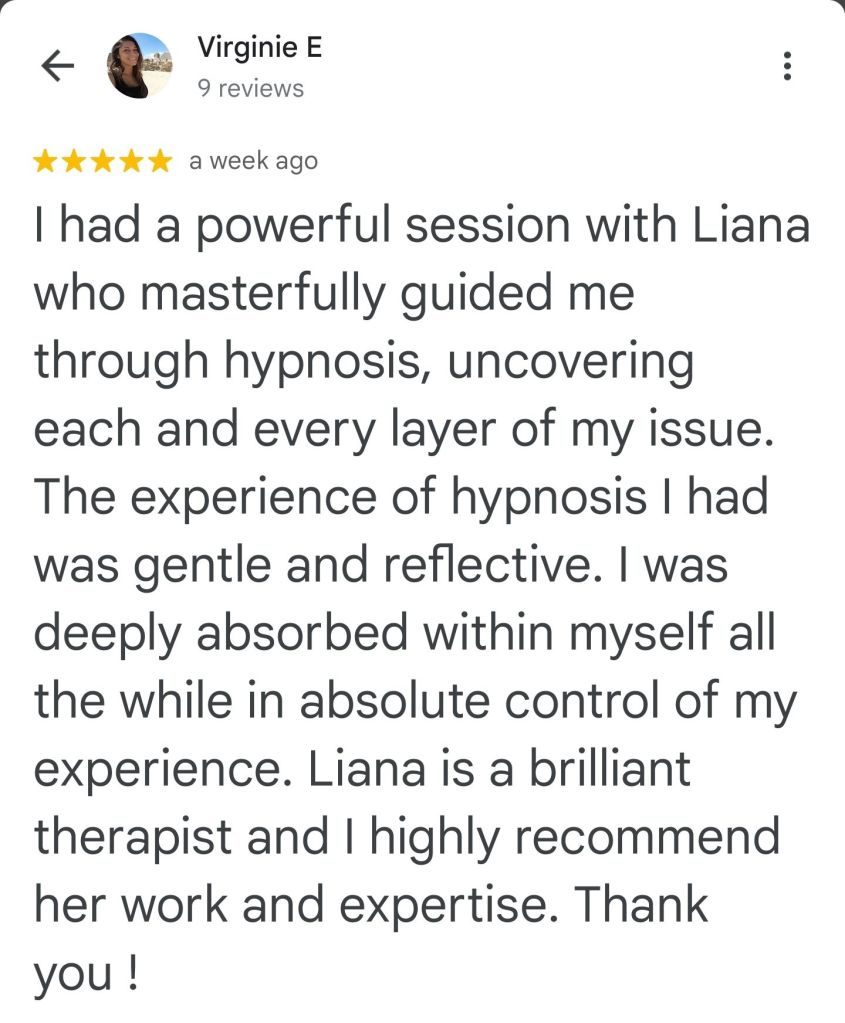
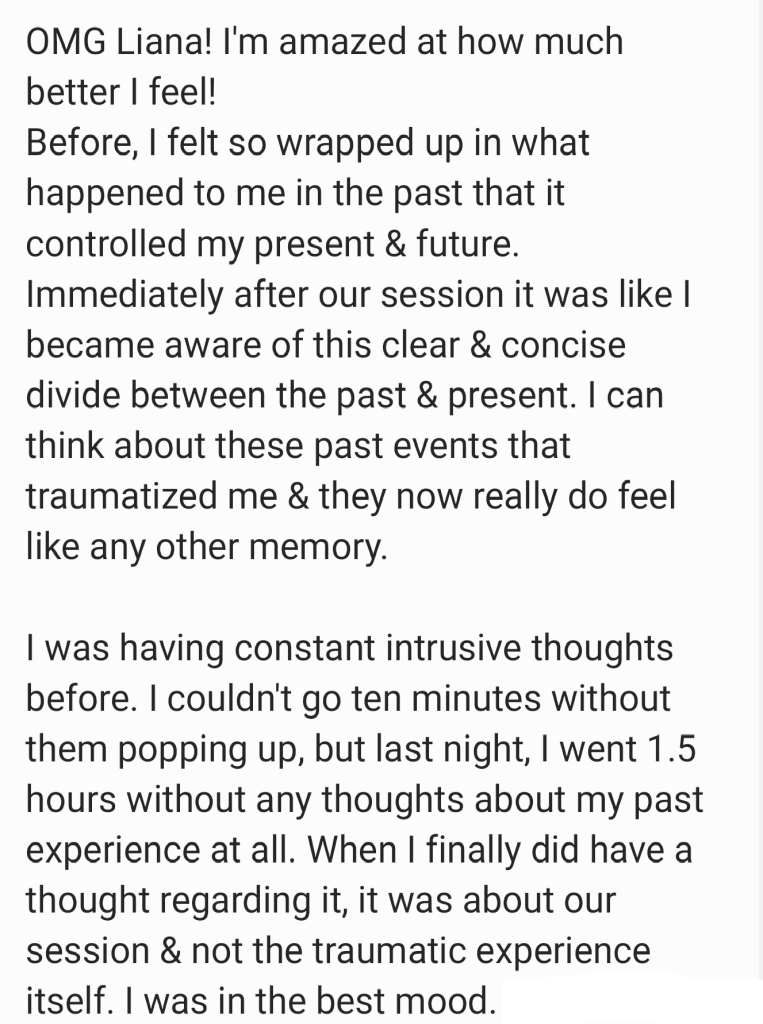
Clients notice significant shifts after 2 – 4 sessions of OEI. Sleep tends to improve along with mood and overall regulation. It may take more if you’ve had years of sleep issues as a result of chronic trauma.
You Deserve Peace
Sleep is not just rest—it’s repair. If trauma has taken that from you, there are ways to get it back. OEI therapy is an approach based in neuroscience that helps your brain and body remember what safety, hope, and a stronger sense of self feels like. From there, rest becomes a possibility.
Listen, are you breathing just a little and calling it a life?
-MO




















 Accelerated OEI Therapy
Leave a comment