Accelerated OEI, brain-based trauma trauma therapy
I practice OEI Therapy for trauma, I have received it for trauma as a client and offer it as a practitioner.
What is OEI Therapy?
Observed and Experiential Integration was developed in Vancouver by Audrey Cook and my mentor, Dr. Rick Bradshaw. It evolved from EMDR but it offers a more gentle therapy that is grounded in the neuroscience of how trauma is stored in the brain differently than other memories, which is why we feel so stuck in the past.
OEI vs. EMDR: What’s the difference?
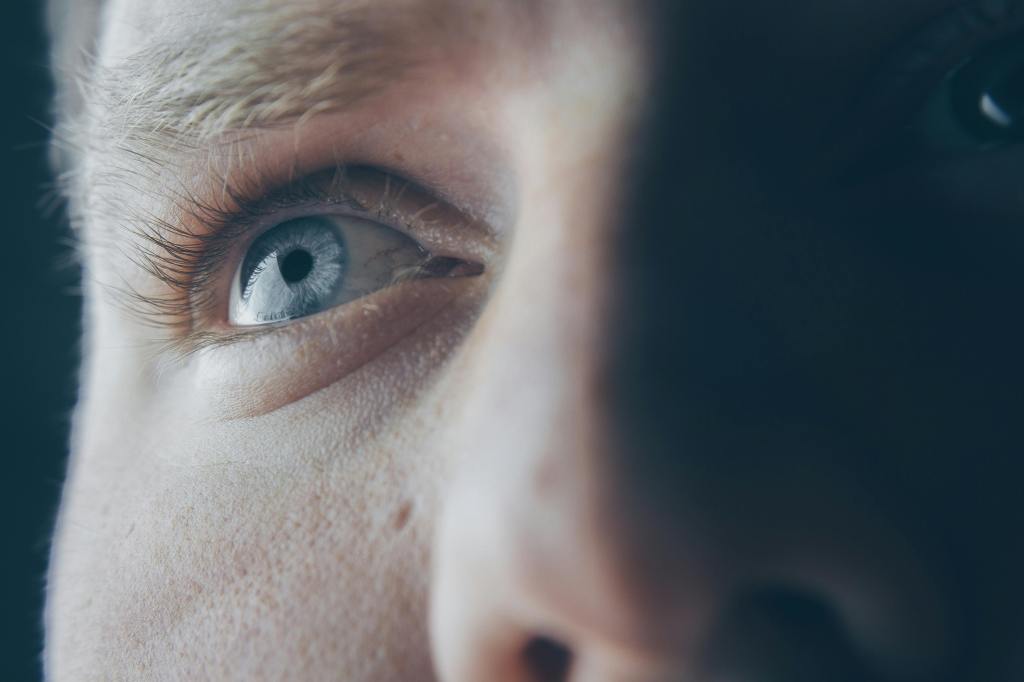
OEI works with the eyes, body, and breath to help the brain process trauma. It can help with panic, anxiety, procrastination, phobias, intrusive memories and feeling flashback.
OEI is similar to EMDR, but we are not locked into a set procedure. OEI adapts based on what your system needs. It’s subtle and gentle, especially for people with complex trauma (CPTSD).
You don’t have to remember and talk about the painful, personal details of distressing memories that is required in EMDR. Healing doesn’t happen by forcing you to talk about your past or by forcing you to follow a set of procedure that may cause distressful revivification as the EMDR procedures attempt to desensitize you through exposure therapy to your trauma. Not cool.
Who said that you have to remember to recover?
No one. Ever.
How OEI Therapy empowers self-regulation and healing
With OEI, we follow your body’s signals in the present, not a script that was written by someone’s best guess at your problem.
Let’s break down the parts of Observed and Experiential Integration in a session,
Observed – I observe the ways that trauma is showing up in subconsciously in your body. I watch and listen closely for subtle shifts in your breath, facial expressions, eye movements (such as halts, hesitations, or “glitching”), and body posture as indicators of trauma activation or emotional distress.
Experiential – I guide you to notice how internal experiences, emotions, physical sensations, and thoughts. You observe and experience how your eyes, breath, and body are responding to the whatever is in the present moment. You don’t have to be relaxed, but authentic.
The experience in an OEI sessions helps you discover differences between conflicted parts of your experience, often revealing distortions or dissociated feelings.
Integration – This real-time observation allows the therapist to adjust techniques—like switching, sweeping, or glitch massaging—to match the client’s needs and help move through trauma responses
As you continue to observe these changes, you typically experience integration—a dissolving of emotional or cognitive distortions and a greater sense of balance and calm.
Healing happens through careful attention to both external cues (by the therapist) and internal experiences (by the client), allowing for targeted, gentle, and effective trauma processing.
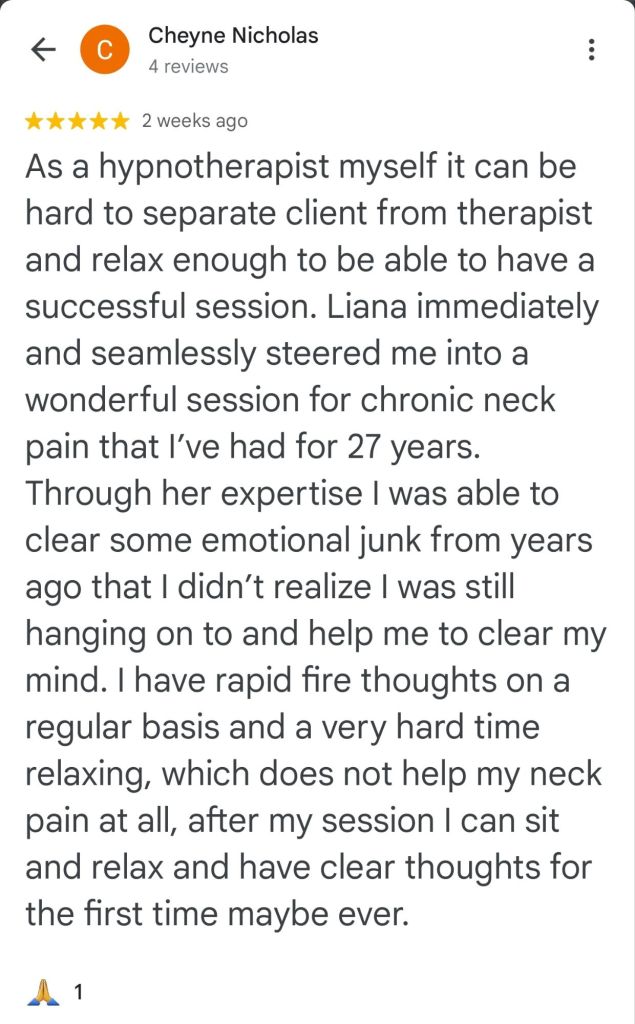
The muscles around your eyes, head, and neck are closely connected to the brain. By changing how and where you focus your gaze, you shift activity in the brain. That’s how we resolve the trauma that’s you can’t heal with words and by talking. You might not even remember because you’ve dissociated but you’re still being affected.
The Effects of Dissociation
Dissociation enables you to disconnect from the emotional pain but it also disconnects you from all the good emotions, like joy, peace, fulfilment. You may notice a sense of hopelessness as your trauma dominates your present reality. You may even begin to identify with your trauma.
My personal experience with OEI Therapy
My first experience of OEI was as a client, after experiencing workplace betrayal trauma that caused me to quit my job. I was dealing with severe PTSD symptoms—panic, exhaustion, and feeling like my brain was scattered. Intrusive thoughts and flashbacks of the most intense feelings of the trauma dominated me and my reality. I felt lost and hopeless.
OEI changed my life.
I was dealing with betrayal trauma at the workplace and was going to talk therapy a couple times a week, I would also get emergency therapy for the third time in a week because I was being re-traumatized by therapists who didn’t know how to treat PTSD.
In addition to intrusive thoughts and feeling flashbacks, I was also revivifying my trauma by talking about it. I would talk to therapists, friends, family, any one who would listen because I thought that was how I could get out from under the trauma.
Revivification is often an iatrogenic effect of talking about trauma, what you’re doing to try to help, unintentionally causes damage and makes the trauma more complex by causing you to relive it by talking about it. Also not cool.
When the student is ready
I began practicing hypnotherapy and met my mentor, Dr. Rick Bradshaw, a gifted psychologist and one of the original developers of OEI. I decided to become certified in advanced OEI Therapy and accelerate it with hypnotherapy for long lasting, accelerated outcomes for trauma.
This approach continues to shape how I work today. It’s direct, body-based, and deeply respectful of your body, nervous system, and the way your brain handles and heals from trauma.
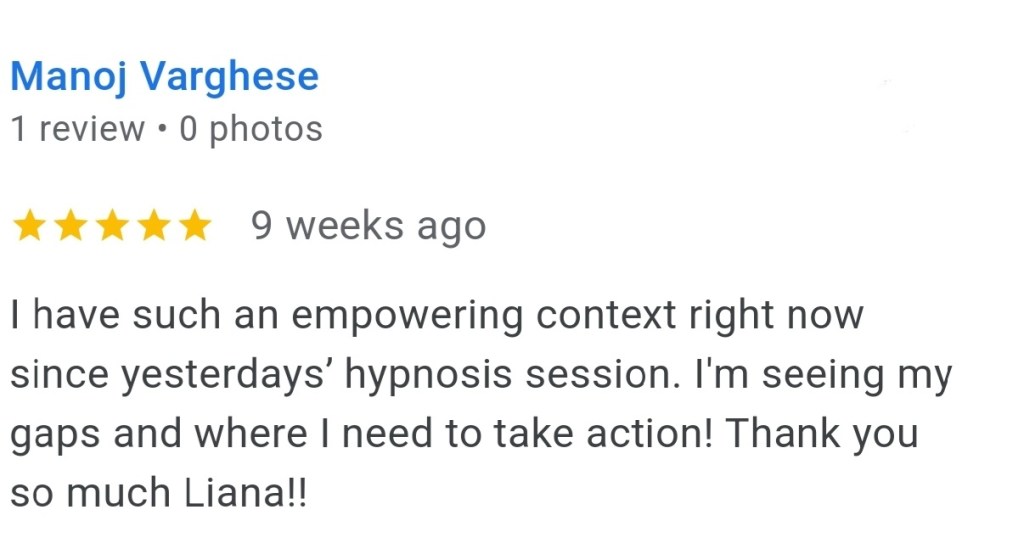
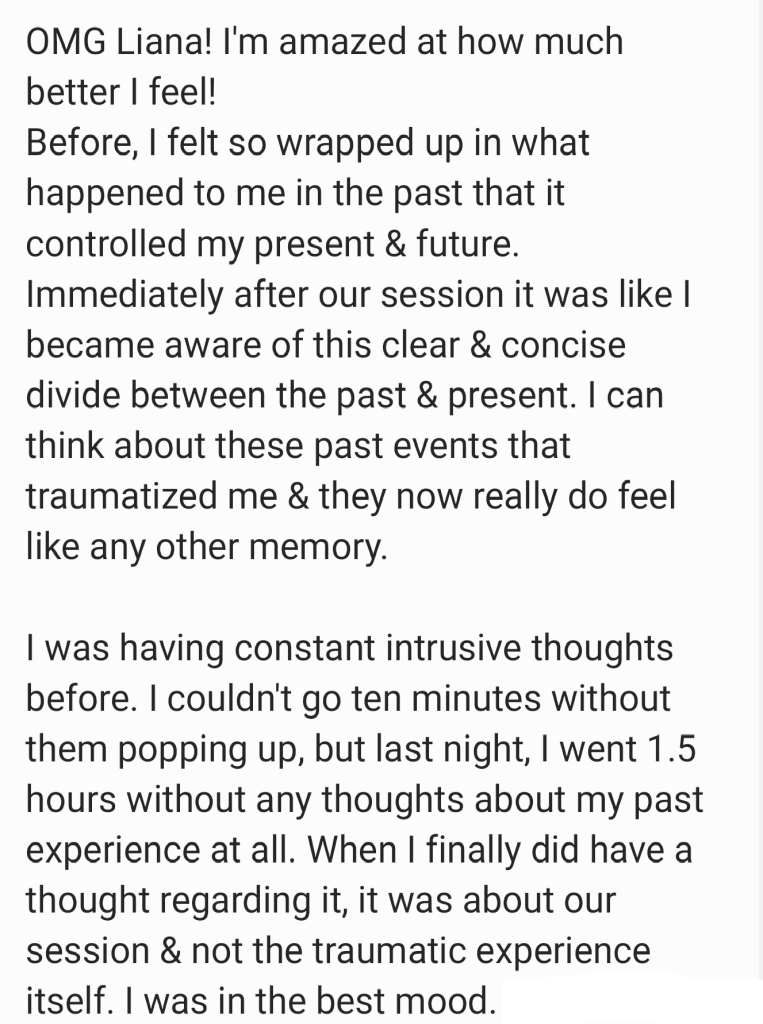
So the past can stop dominating the here and now. You can leave the past in the past, as it occurs further away with each passing day. This is where you find space in the present moment for hope and can create new possibilities for yourself and your life.
Let’s connect.
Pure Possibility.
Transform Your Trauma.
Transform Your Life.

















 Accelerated OEI Therapy
Leave a comment