
Why your brain gets stuck after workplace trauma
Workplace trauma changes the way your brain works. It’s not just how ou feel—it’s happening inside your brain.
When you feel betrayed and trust is broken at work, your brain’s alarm systems, memory functions, and decision-making areas all shift into survival mode.
The alarm is stuck FULL ON.
This is why you can feel stuck in the same patterns long after the experience is over or you’ve left your job.
The amygdala stays on high alert
Your amygdala is the brain’s alarm system.
After workplace trauma, it can become overactive, sending constant danger signals even when you’re safe at home or at another job.
Small triggers like a flashback of a face, an email, a message in Teams, can make your body feel intense bad feelings as if the trauma is happening again.
The memory center is stuck in the past
The hippocampus is what helps you know when something happened and whether it’s in the past.
Trauma can shrink or disrupt it, making memories highjack the here instead of feeling like it is in the past. This is why intense feeling flashbacks, emotions and intrusive thoughts are so common after workplace trauma.
The thinking part of your brain goes offline
The prefrontal cortex (PFC) helps with logic, planning, and emotional regulation.
Under workplace stress, it works less effectively. You may feel foggy, find it hard to make decisions, or struggle to logic yourself out of fear and anxiety.
Here’s the thing.
Logic can’t fix emotions.
This isn’t weakness—it’s your brain prioritizing survival over reasoning. There are no resources left for healing.
Why the brain stays stuck
Workplace trauma rewires your brain to focus on keeping you safe
- It keeps you hyper-alert so you can react fast to potential danger
- It causes you to think that something bad might happen at any moment
- It traps unprocessed memories so they keep replaying
- It keeps you feeling all the feels from the traumatic experience
- It disrupts stress hormones, keeping you in fight, flight, or freeze mode
- It might even make it hard to fall asleep or stay asleep
There is a positive intention to keeping you safe but if you stay stuck too long, they actually prevent you from feeling safe again.
Healing, integration, and rewiring
Your brain can heal through neuroplasticity, your brain’s ability to change.
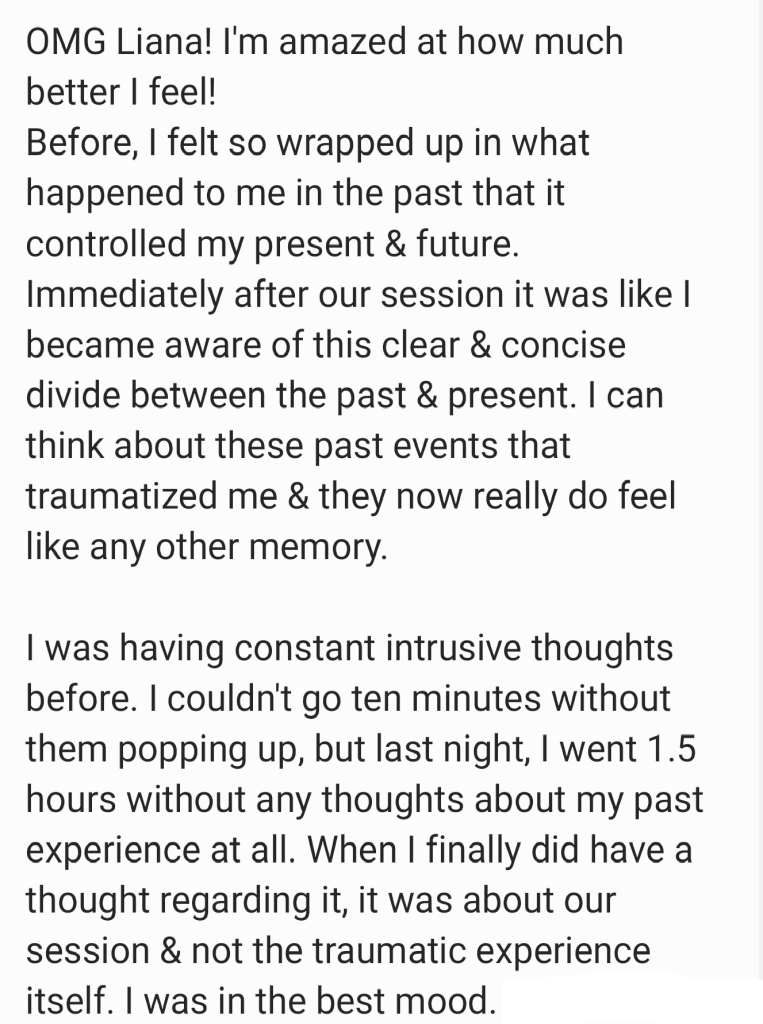
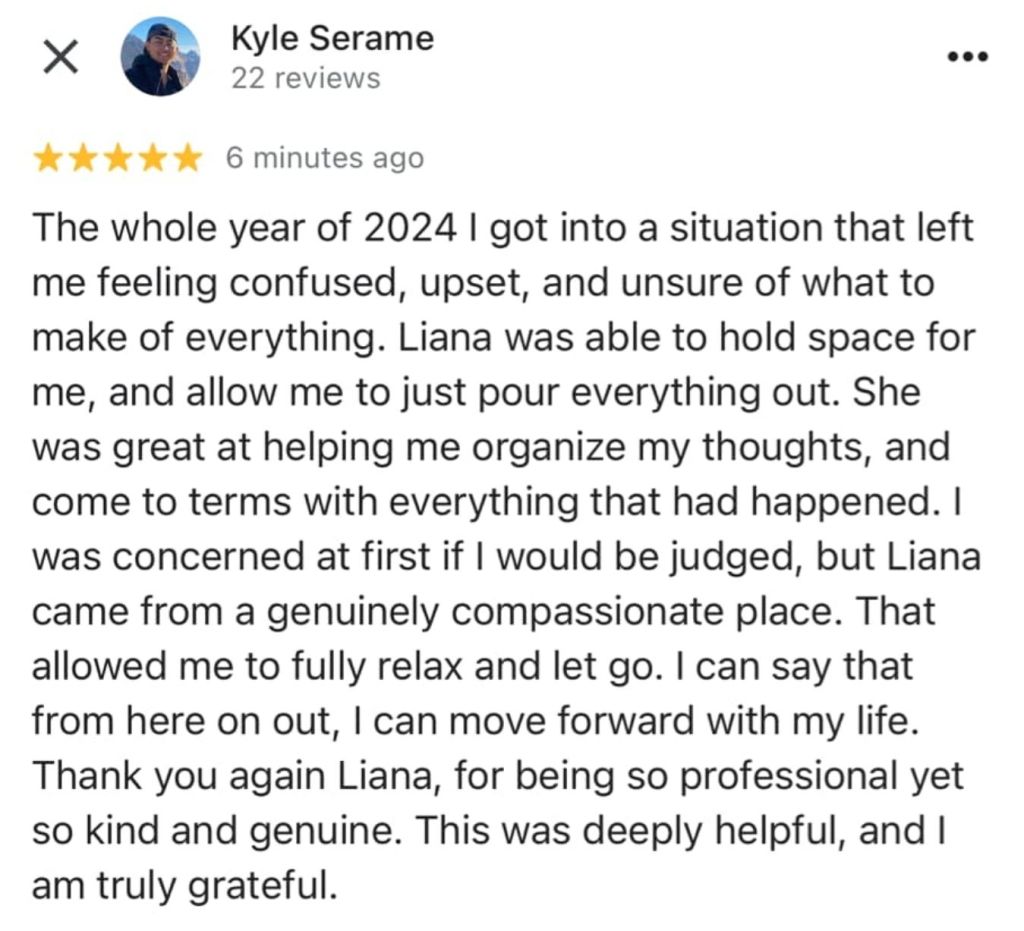
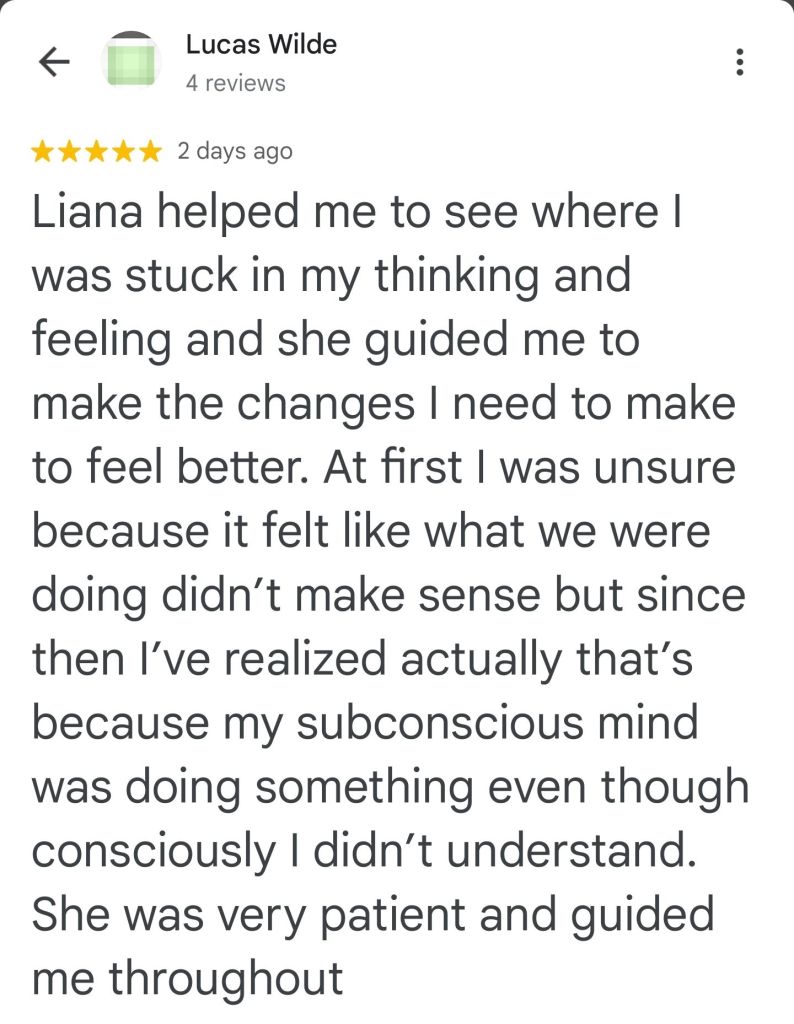
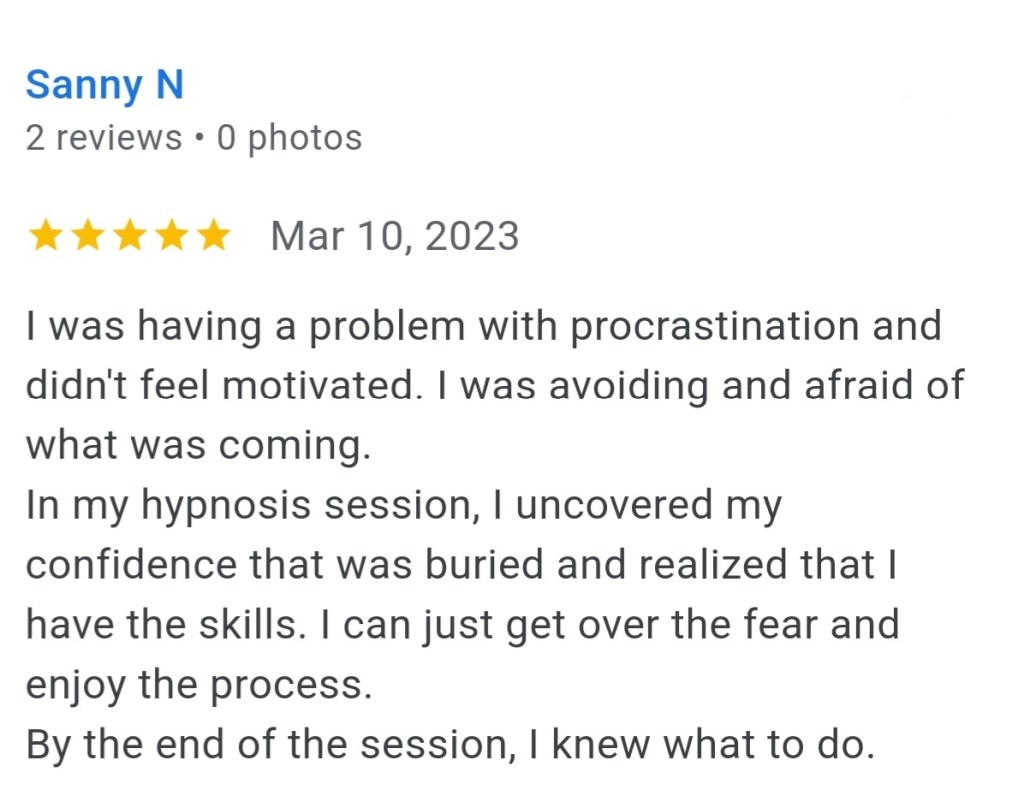
Trauma-informed neuroscience technologies, like OEI therapy can help calm your emotions and help your brain process memories and integrate them into the past.
You might not forget the betrayal but you can stop living as if it’s still happening and move forward
Let’s connect.
Listen, are you breathing just a little and calling it a life?
-MO






























 Accelerated OEI Therapy
Leave a comment