
How OEI therapy helps trauma survivors heal faster
Observed Experiential Integration (OEI) therapy is gaining recognition in Vancouver and beyond as a highly effective trauma treatment.
While many individuals often hear about EMDR for treatment of trauma, OEI therapy offers a gentler and more body-based approach.
If you’re wondering how OEI works and why it may be the right fit for you, here’s what you need to know.
Why OEI therapy is different from traditional talk therapy
Traditional talk therapy often requires you to recall and describe painful, personal details of the past.
For many trauma survivors, this can be overwhelming and even retraumatizing.
OEI therapy takes a different route. Instead of forcing you to relive events, it uses visual pathways and somatic cues to process trauma at the level where it’s stored—in your brain and nervous system.
This is why many individuals describe OEI therapy sessions as more gentle, accessible, and safe compared to traditional approaches.
You don’t have to remember to recover.
The neuroscience behind OEI therapy
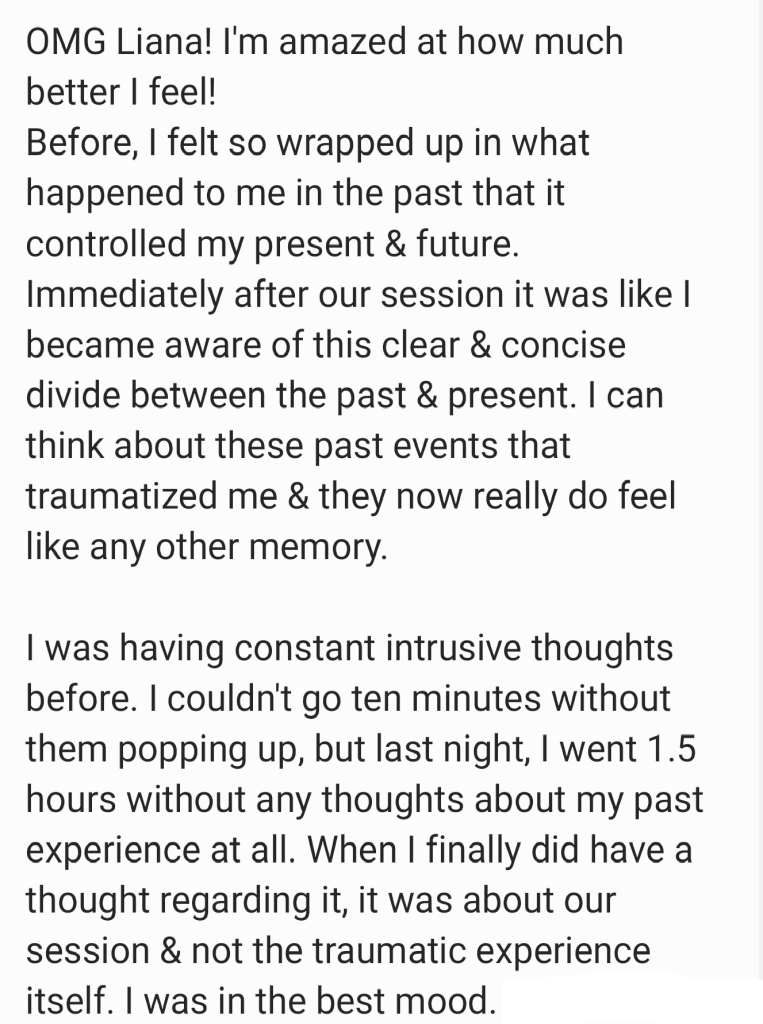
Trauma memories often remain stuck as fragments in raw, unprocessed form—sensations, images, or emotions—rather than feeling like the event that has took place in the past.
OEI therapy uses guided eye movements to access these memories through the visual system, helping the brain integrate them and put them into the past where they belong.
Once integrated, the intensity of the memory fades, reducing symptoms like vivid flashbacks, nightmares, panic attacks, and constant hypervigilance.
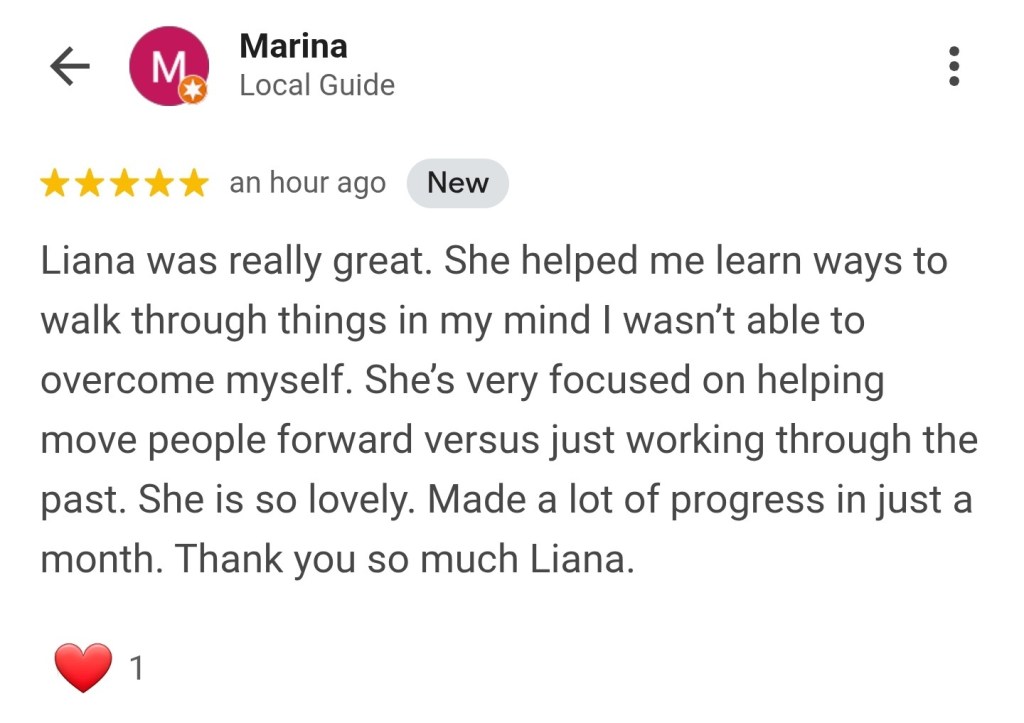
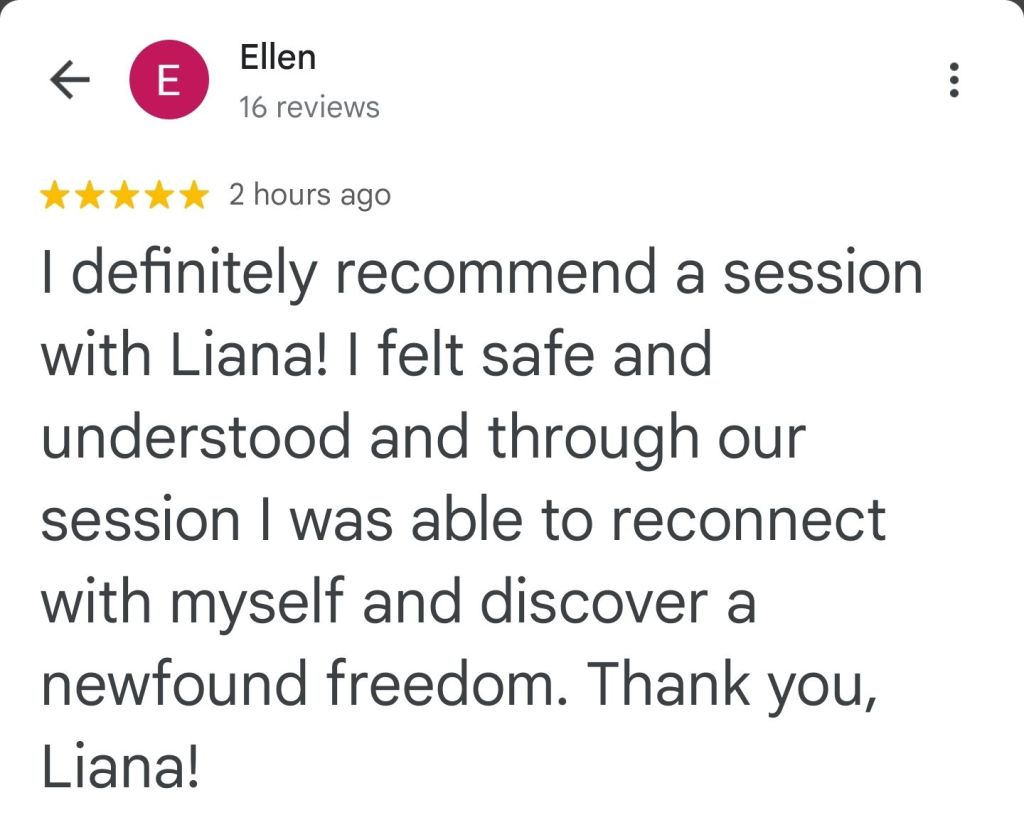
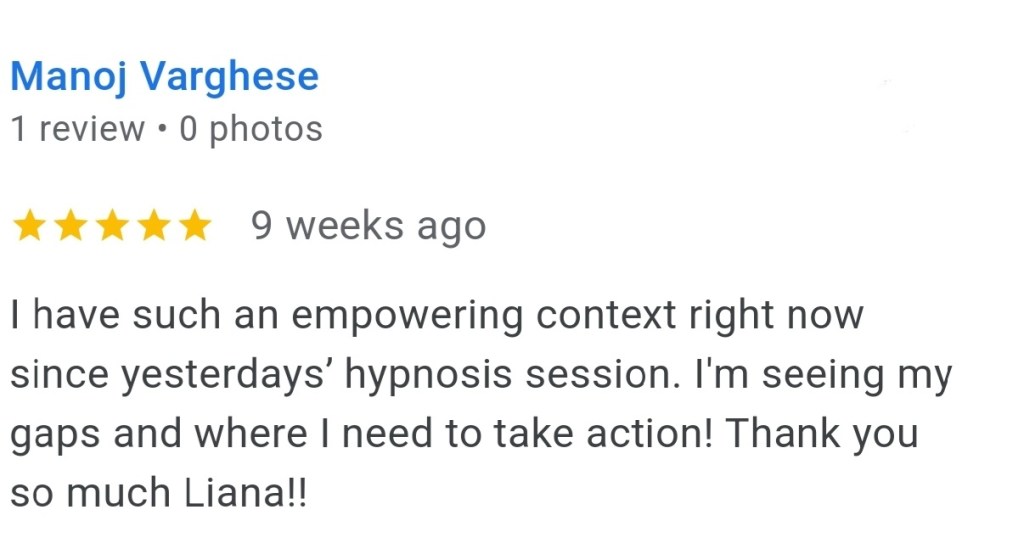
My clients notice significant relief and shifts from OEI therapy that has been accelerated with hypnotherapy and other technologies to treat trauma based in neuroscience.
What conditions OEI therapy can help with
OEI therapy has been shown to support recovery from a wide range of issues, including:
- Post-traumatic stress disorder (PTSD)
- Anxiety
- Workplace trauma and burnout
- Betrayal trauma and relationship wounds
- Narcissistic abuse and toxic relationships
- Low self-worth and negative self-talk
- Sleep issues and nightmares
OEI Therapy: What to expect
If you are looking for OEI therapy in Vancouver or beyond, sessions typically involve being guided intuitively through specific visual pathways. Each session will be different based on what authentically emerges.
You don’t have to talk through every detail of what happened. Instead, the therapy works with how your nervous system is holding on to trauma so it can release stored patterns.
For individuals who feel overwhelmed by EMDR or talk therapy, OEI therapy provides a trauma-informed, neuroscience-backed alternative.
OEI therapy can help, even if you’ve tried everything but nothing has worked.
OEI therapy offers a safe, gentle, and effective way to heal from trauma without being forced to relive the past.
Whether you’re struggling with PTSD, workplace trauma, or the impact of narcissist abuse, this Observed and Experiential integration can help you regain a sense of self, safety and hope so you can move forward.
If you’re curious about how OEI compares to other trauma therapies, especially EMDR, you can read more here: OEI Therapy vs. EMDR: The Key Differences
If you want to see if OEI therapy can help you specifically, let’s connect.
Listen, are you breathing just a little and calling it a life?
-MO































 Accelerated OEI Therapy
Leave a comment