
What is OEI therapy?
OEI stands for Observed Experiential Integration. It’s a type of therapy that helps people work through trauma by using eye movements and focused attention. It was developed in Vancouver by Audrey Cook and my mentor, Dr. Rick Bradshaw, therapists who wanted a faster way to help clients feel relief from trauma symptoms.
How Talk Therapy Can Reactivate Trauma
Talking about trauma can sometimes make things worse. This is the iatrogenic effect, which is the harm that is unintentionally caused by talking about trauma that makes it worse than the original condition. Here’s how…
When you describe a painful event, your body and nervous system often react as if it’s happening again. You might feel overwhelmed, numb, or totally shut down.
That’s because trauma doesn’t live in words—it lives in the body and the deeper emotional parts of the brain.
OEI works differently. It uses visual pathways, not verbal ones, like talking about the past. This is the key to healing trauma.
You don’t have to describe the painful, personal details. Instead, you use one eye at a time to shift how your brain holds the memory. This helps process trauma without reliving it and staying stuck in it.
This is why OEI therapy can help, even if you’ve tried traditional talk therapy or EMDR that required you to talk about your trauma.
How eye positions affect emotions
In OEI, I will ask you to cover one eye at a time. This helps the brain integrate and process memories and emotions into the past.
It’s based on the idea that different parts of the brain are more active when you see through one eye versus the other and switching helps integrate both sides of the brain. You may notice a shift in feelings, memories, or body sensations depending on which eye is open.
Accessing parts that are stuck as f#@%
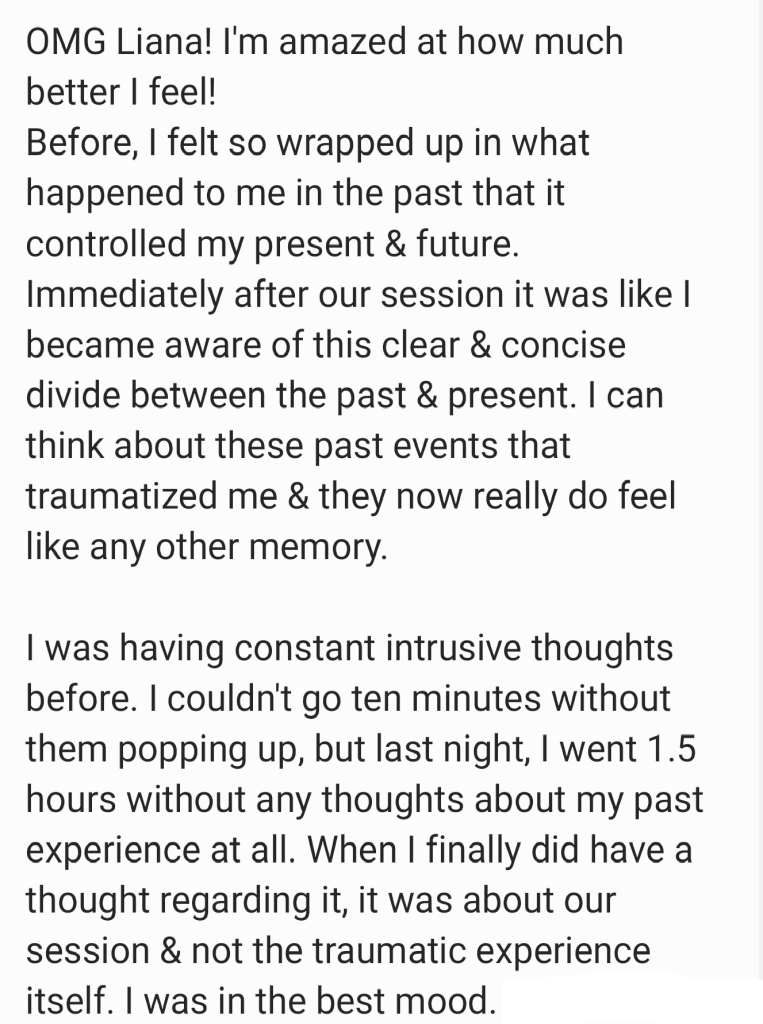
The brain isn’t able to process overwhelming memories, so they fragment and get stuck in the nervous system. You may experience them as intrusive thoughts or intense feelings that pop into consciousness randomly.
OEI helps access these stuck fragments gently. By focusing on a memory while using specific eye positions, the brain can begin to integrate what happened, making the experience less overwhelming. You don’t have to retell everything or go into a lot of detail for it to work.
OEI uses the brain’s natural healing ability without forcing anything. It works with how your body and mind already know how to heal. You just might need a bit of help when your brain is overwhelmed.
You’re asked to observe and notice what you feel in your body, in your thoughts, and in your emotions. The therapist uses technique that helps the brain process and integrate the experience. When the trauma has been integrated, you will feel like the past is in the past. It gets taken out of your future and gets put into the past, where it belongs. You start to feel more safe and free in the here and now.
Common issues OEI helps with
- Trauma
- Anxiety
- Hopeless
- Loss of sense of self
- Depression
- Grief
- Panic attacks
- Nightmares
- Dissociation
What a session looks like
Without having to go into personal details about your past, the therapist will guide you to try different eye positions. Your therapist watches closely for changes in your breathing, face, or voice (the observed part of OEI). You might notice you’re feeling strong emotions when you cover one eye and feel calm one when you cover the other eye (the experiential part). Either way, you’re in control, through this safe, gentle process.
You don’t have to remember to recover
OEI is experiential and based in the present moment, not the past. You’ll be noticing, feeling, and observing what is happening here and now—not talking about what happened in the past. Many clients feel lighter and more grounded after a session, even if they can’t explain why. This is the brain doing it’s work, the way it knows how.
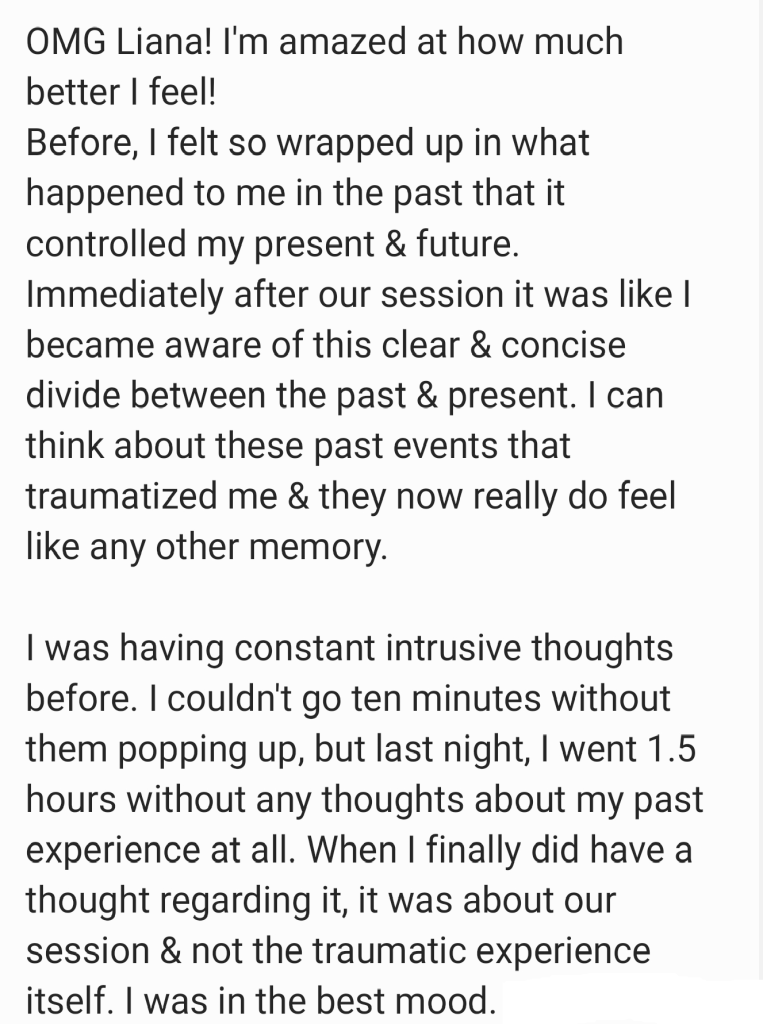
Why people choose OEI
OEI therapy uses visual, not verbal pathways to healing trauma. This is why OEI can work, even if you’ve tried talk therapy or EMDR and weren’t 100% satisfied with th
OEI is especially helpful if you have a hard time talking about what happened, or if you’ve already told your story many times and you still feel triggered AF. We can show you a different pathway to healing trauma so you can feel more hopeful, alive and free in the here and now.
Let’s connect.
Read more on the Science of Bilateral Stimulation
Listen, are you breathing just a little and calling it a life?
-MO





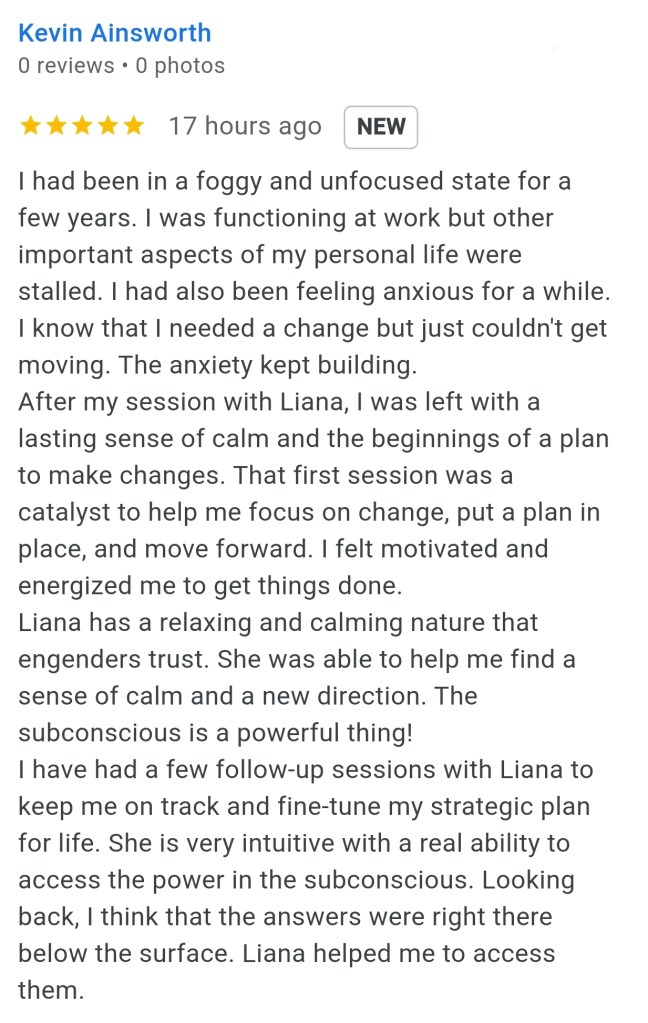


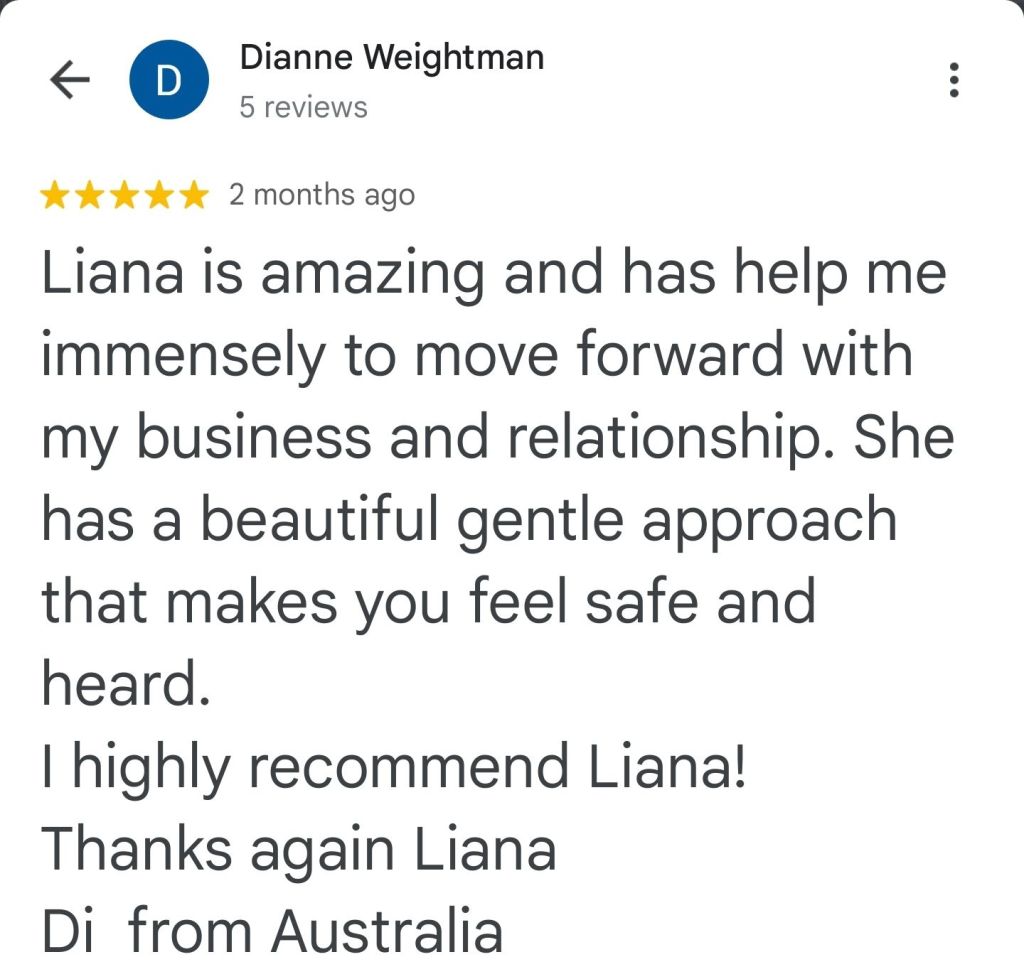

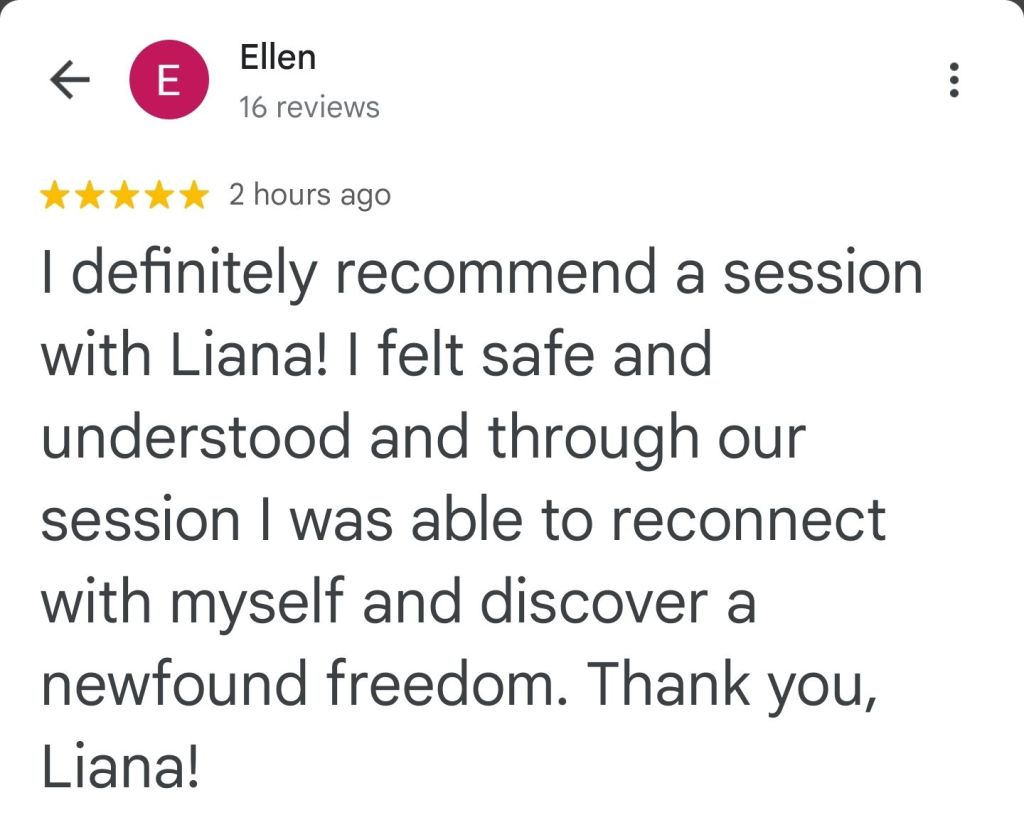














 Accelerated OEI Therapy
Leave a comment