
How is OEI Better Than EMDR for Complex Trauma?
Both OEI and EMDR are therapies that help people heal trauma. Both use eye-based techniques and work with how the body and brain store memories. But they’re not the same. And for complex trauma, OEI may work better for some people.
What’s the Difference Between OEI and EMDR
EMDR stands for Eye Movement Desensitization and Reprocessing. It’s a structured protocol where the client thinks about a traumatic memory while moving their eyes side to side. This helps the brain reprocess the memory so it’s less disturbing. It works well for single-event trauma, like a car accident or assault. However, it does force you to talk about your trauma in an attempt to desensitize you. Think of exposure therapy to your trauma.
When I was choosing a therapy to help clients with trauma, I felt that revivification of trauma be recalling it was traumatic in itself, causing iatrogenic harm, which means the thing that is trying to help trauma, unintentionally makes it worse and more complex.
Why I Chose OEI therapy
OEI stands for Observed and Experiential Integration.
I chose OEI therapy over EMDR because it felt more intuitive and less procedural, leading to how I work holistically.
With OEI, I can see shifts happening in real time. Clients often get relief without having to talk through personal, painful detail, which matters when trauma is overwhelming, hard to put into words or they might dissociated from extreme trauma and not even be able to remember.
Who said you have to remember to recover?
No one. Ever.
EMDR is effective too, but the structure feels rigid, and some clients struggle to stay with the process of exposure to their trauma in the desensitization process. Come on!
Really? We’re trying to forget our trauma, not remember it. We are forced to remember with intrusive thoughts and intense sensations we feel in our body that makes you experience the trauma over and over in the present tense. Not cool
OEI gives me more flexibility to adjust in the moment based on the unique experience of each client. That responsiveness makes it easier to build trust, work at a pace that actually feels safe, and do what is effective and needed in the moment rather than just following the process. It’s like following scripts in hypnosis vs. doing Accelerated Hypnotherapy that is led by the superconscious.
What is OEI therapy
OEI stands for Observed Experiential Integration. It also uses the eyes, but not in the same way. Instead of tracking back and forth, OEI uses one-eye-at-a-time work and visual field engagement getting feedback from the client.
The therapist watches how the client’s system responds and adjusts in real time. It’s more flexible and focused on moment-to-moment experience.
I believe healing is found in the here and now, not by focusing on the past. The present moment is your access to healing,
Why Complex Trauma Needs Something Different
Complex trauma can means repeated, unescapable experiences—like childhood neglect, emotional abuse, or unsafe relationships. It doesn’t show up as one big memory because it is too overwhelming for your brain.
Instead, it is stored as fragments—intrusive thoughts, feelings, images, body sensations, or nervous system reactions that don’t always make sense.
Unlike the control we have of the recall of other memories, you really get the sense that these fragments are in control. No us.
Individuals with complex trauma might get overwhelmed in structured protocols. EMDR can sometimes push the system too fast that we feel retraumatized. It asks the client to access uncomfortable memories on purpose, which isn’t always safe if their nervous system isn’t ready. The theory instead is, that this exposure will make the nervous system get ready (desensitization).
OEI therapy doesn’t push, it listens to you, as you listen to your body.
OEI works with what’s already showing up in the present moment. It’s often gentler. Instead of forcing a memory, OEI helps the brain notice what’s stuck and integrate it slowly and safely.
You Don’t Need to Talk Through Trauma
EMDR helps people heal from trauma by processing distressing memories while focusing on a back-and-forth visual stimulus.
With Accelerated OEI, we accelerated OEI therapy with hypnotherapy. You don’t need to recall specific memories because your Superconscious remembers everything you have experienced and knows exactly what you need.
The focus is on what you notice in the here and now—what you’re experiencing, where the tension is in your body, what emotion rises when one eye is covered. It is like mindfulness with a goal.
This makes it especially helpful for people who go blank, freeze, or dissociate when they even try to think of what happened that they’re trying to forget.
So Is OEI Better Than EMDR?
It depends on the individual. Some people do well with EMDR, especially if they have a clear event to work with and a nervous system that can handle intensity.
But for people with complex trauma—those who feel numb, scattered, anxious, or triggered AF—Accelerated OEI may be a better, kinder pathway. It’s more adaptable, less structured, and more focused on body-based awareness in the present moment.
The here and now is your access to healing. It’s not in your painful past or the hopelessness and anxiety you have about your future. Your access will always be in the present moment.
OEI is also useful when traditional talk therapy and EMDR haven’t worked or have left you triggered AF. Accelerated OEI offers another pathway—one that feels safer for people whose trauma runs deep.
Let’s connect.
Listen, are you breathing just a little and calling it a life?
-MO
























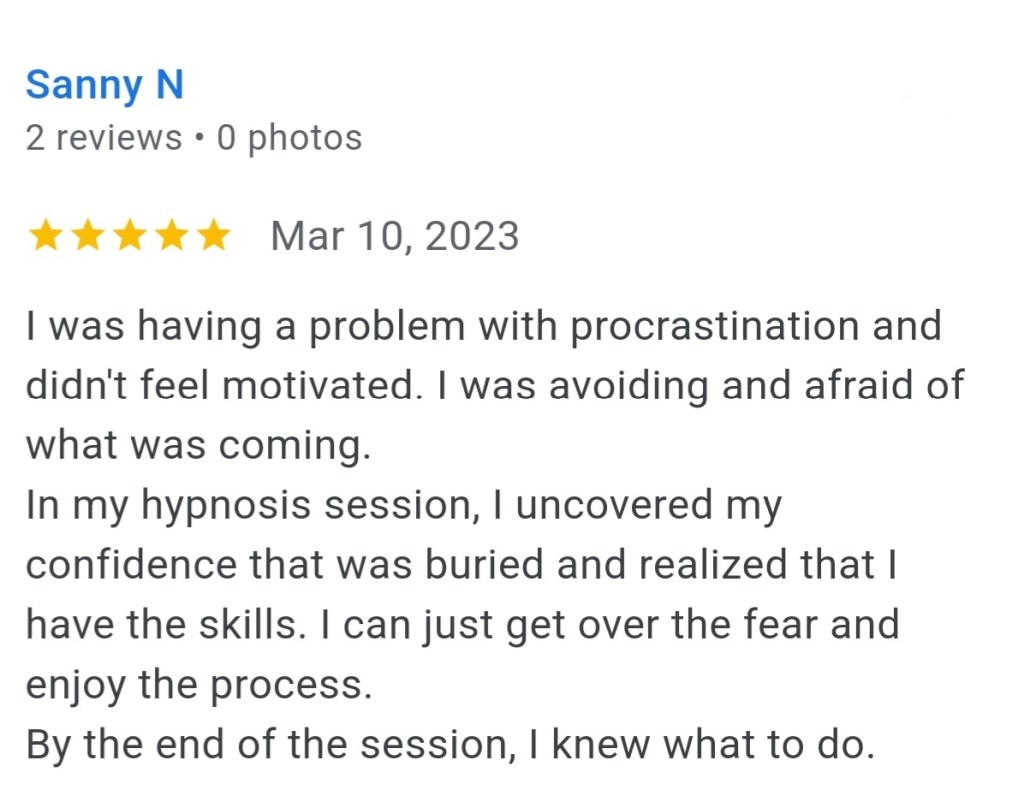

 Accelerated OEI Therapy
Leave a comment