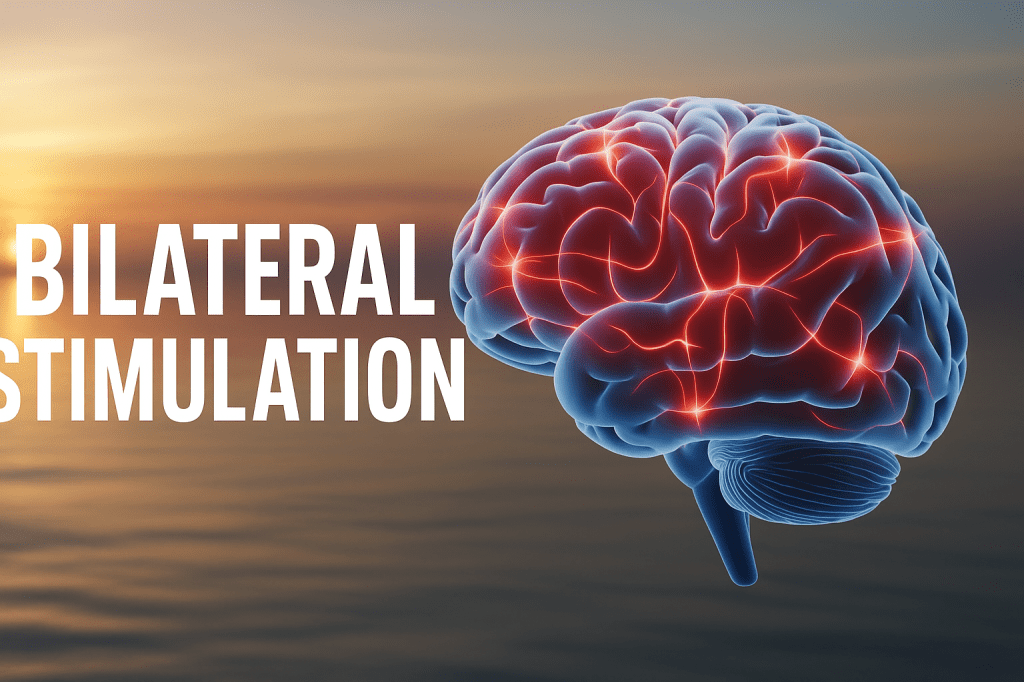
The Science Behind Bilateral Stimulation (BLS)
Ever wondered how a simple rhythmic movement or sound could change the way your mind feels about stressful events?
Bilateral stimulation functions as the core neurological mechanism of EMDR Flash Technique & OEI Therapy for trauma, and EMDR—and help people process deep emotional pain and find real relief.
This article explains what bilateral stimulation (BLS) is, how it works in the brain, and why it is important in therapy.
What is Bilateral Stimulation?
Bilateral stimulation means deliberately activating both sides of the brain in rhythm, using sensory input—such as eye movements, taps or tones.
BLS go back to psychotherapy’s search for methods that tap into the body’s natural mechanisms for sorting and storing difficult experiences, integrating them for healthier emotional functioning.
EMDR Flash Technique and OEI therapy evolved from EMDR, which was the first to systematically embrace BLS, revealing its value not only for trauma but also for anxiety, phobias, and mood regulation.
BLS is not about erasing memories. We can’t change the past, but we can change our relationship to it.
We can use BLS to make the emotional edge duller and more manageable, giving space for new, less distressing associations to grow.
How Does Bilateral Stimulation Work?
BLS works by sending sensory information in a rhythmic, left-right pattern—through movements, touch or sound.
Researchers believe that this back-and-forth movement between left and right brain hemispheres helps your brain process and file away memories that felt too overwhelming to handle at the time.
Imagine your mind as a complex network of roads.
Trauma can block the normal traffic flow, making some routes overused (like panic, anxiety or flashbacks), while others stay inaccessible (like calm or logic).
BLS acts as a “detour,” opening new routes so both emotional and rational centres engage at the same time.
During OEI therapy : :
- You might follow the therapist’s finger with your eyes
- Make gentle taps alternating from left to right, keeping you in the present
Non-verbal processing of trauma avoids “getting stuck” in pain with recall and helps you process distressing memories from a safer emotional distance.
Studies in neuroscience suggest that BLS increases neural integration and accelerates the reprocessing of emotional material, reducing the impact of symptoms on the brain and body
Why Does This Matter for Trauma Recovery?
When something traumatic happens, the memory can feel permanently charged with fear or grief.
BLS helps lower the body’s “alarm response” and provides a gentle way to revisit upsetting memories until they lose their emotional intensity.
It gradually guides the mind to integrate traumatic experiences with different feelings—such as safety or calmness from the therapy space—helping to transform automatic triggers into reminders you can manage and move past.
For anxiety, panic and depression, this approach reduces sensitivity over time, helping you regain control and self-awareness.
Clients often feel more grounded and less haunted by the past after a number of well-paced sessions, which research shows leads to lasting improvements.
Key Techniques and Modalities
Bilateral stimulation is flexible:
- Eye movements are the classic EMDR approach and the best researched
- Tactile BLS may involve alternate taps or vibrations, useful for those sensitive to visual input
- Auditory BLS uses alternating tones or music, and can be used for clients who prefer not to use movement or touch.
While therapist-guided BLS is safest for deep trauma, your therapist can also teach you how to self-administer BLS—such as rhythmic tapping or binaural beats—to bring short-term calm and help practice emotional regulation outside sessions.
You can practice exercises and other tools at home, but always begin new techniques with professional advice for safety.
The Brain Science: Amygdala and Prefrontal Cortex
Why does BLS work so well?
Studies show it calms the amygdala—the part of the brain responsible for fear, anxiety, and the fight-or-flight response—while stimulating the prefrontal cortex, which manages logic and healthy decision-making.
BLS is believed to mimic REM sleep, when the brain naturally sorts, links, and soothes troubling memories.
This neurological shift is key: old traumas feel less dangerous, and you start to re-evaluate them from a place of strength.
The dual-attention process also fosters neuroplasticity: your brain’s ability to create fresh pathways and adjust to new information. This makes recovery more robust—even for memories that have driven symptoms for years.
Benefits Backed by Research
Multiple clinical studies highlight real benefits:
- People experience reductions in PTSD, flashbacks, nightmares and anxiety;
- Emotional intensity tied to old memories drops noticeably during and after sessions;
- Emotional resilience and ability to cope with future stress improves;
- Many clients report feeling lighter, clearer and more positive by the end of therapy.[2][1]
Researchers have measured these changes using symptom scales and brain imaging—confirming that bilateral stimulation influences both subjective feelings and objective brain function.
Safety, Limitations and Considerations
Bilateral stimulation should always be used for trauma processing with a certified mental health professional to ensure safety, proper technique, and the best therapeutic outcomes.
Short-term side effects can include tiredness or emotional discomfort, but these usually resolve quickly.
Innovations and New Directions
OEI therapy (Observed & Experiential Integration) and the EMDR Flash Technique represent some of the most innovative and accessible trauma treatments available today.
OEI therapy uses targeted eye movements and body-based awareness to help process distressing experiences, allowing clients to gain new perspective and reduce emotional pain in a gentle yet effective way.
This approach is especially useful for those who may not want or are not ready to revisit traumatic memories in detail, giving a safe, gentle alternative to traditional talk therapy.
The EMDR Flash Technique, builds on the foundations of standard EMDR but introduces a positive engaging focus and brief interventions that don’t require the client to consciously engage with the traumatic memory.
Research shows these methods are effective for rapidly reducing distress and can be safely used for both individual and group trauma work.
Both OEI and Flash Technique can be integrated with other trauma recovery methods, like Accelerated Hypnotherapy, to adapt to your needs.
This flexibility means more clients can find a safe entry point into trauma therapy, even if previous approaches haven’t worked or felt too overwhelming.
FAQs
What makes bilateral stimulation different from traditional talk therapy?
It engages the body’s sensory systems directly—making emotional shifts faster and often more profound than talking alone.
Can I try BLS at home?
Basic tapping or sound exercises can help relieve stress, but trauma work should always be done with a qualified therapist.
Is BLS just for trauma?
No—it’s proven helpful for anxiety, panic, attachment fears and building resilience in daily life.
Is the science sound?
Yes—studies have shown BLS helps regulate the brain’s alarm response and builds stronger pathways for healthy emotion and thought.[1]
Bilateral Stimulation Safe & Effective
Bilateral stimulation is a simple yet powerful tool for trauma.
By anchoring you in the present and activating both hemispheres of your brain, it helps move emotional pain, anxiety and trauma out of “stuck” patterns.
If you’re interested in how BLS can support trauma recovery with OEI therapy or EMDR Flash Technique and want to know more about how BLS & OEI Therapy can be accelerated with hypnotherapy, read:
Listen, are you breathing just a little and calling it a life?
-MO


































Leave a comment