
Observed Experiential Integration – OEI Therapy: How it works and why it helps trauma survivors
Trauma leaves survivors in emotional pain. It also rewires the brain and keeps the body in survival mode.
Observed Experiential Integration – OEI Therapy is a brain-based trauma therapy that helps you integrate difficult memories, calm your nervous system, and stop feeling so stuck and triggered AF
OEI Therapy was developed in Canada and has its roots in EMDR therapy, but it takes a gentler, more experiential approach.
It uses visual pathways and subtle eye movements to connect both brain hemispheres, allowing unresolved experiences to integrate and finally settle into long-term memory without flooding you with overwhelming feelings.
When these memories are integrated, you will feel unstuck.
Free. Hopeful about the future.
All that good stuff.
Benefits of OEI Therapy
OEI can bring noticeable results even in just a few sessions. Clients often experience:
- Reduced anxiety and emotional reactivity
- Better sleep and less hypervigilance
- Relief from intrusive memories and flashbacks
- Improved ability to stay present and connected
- Greater self-compassion and less shame
Because it works with the brain’s natural processing system, OEI is often faster than talk therapy and can complement other methods like EMDR, Flash Technique, and Accelerated Hypnotherapy.
What is OEI Therapy and how does it work?
OEI Therapy works with your brain’s natural ability to heal.
Unlike the EMDR (Eye Movement Desensitization and Reprocessing) procedure that requires you to recall distressing, personal memories, in our OEI session, your brain will work on your trauma, but you don’t have to talk about it because your brain knows exactly what to do.
Instead of talking about trauma which causes vivification – causes you to relive the trauma, we use gentle visual field techniques — guiding your gaze to different points — to activate both hemispheres of the brain.
Here’s what typically happens in an OEI session:
Safe and Gentle: Working within your window of tolerance, focusing on what feel safe and staying with what feels good.
Shift the visual field: Your therapist guides your eyes through specific movement and positions that activate both sides of the brain.
Release emotional charge: The brain integrates the memory while the body discharges stored emotional tension.
Notice change: Many clients report a sudden drop in distress, clearer thinking, and a feeling of calm.
This process works directly with the nervous system, the brain and body It reconsolidates and integrates emotional and sensory memories so they no longer hijack your present moment.
What conditions can OEI Therapy help with?
Research shows that OEI Therapy is effective for a wide range of challenges, including:
- Post-traumatic stress disorder (PTSD)
- Anxiety and panic attacks
- Childhood abuse and neglect
- Sexual assault and relational trauma
- Phobias and fears
- Grief and complicated loss
- Eating disorders and body image distress
- Depression and low self-worth
- Negative self-talk and shame
- Aftermath of toxic or abusive relationships
We accelerate OEI therapy with hypnotherapy, which is helpful when talking or even thinking about trauma feels too overwhelming or when other therapies feel too slow – and you want the results, like, yesterday.
Why OEI Therapy is different from traditional talk therapy
Talking about trauma can sometimes make symptoms worse — because words don’t always reach the parts of the brain where trauma is stored.
This is called an iatrogenic effect, where what you’re doing to try to fix the trauma can unintentionally make it worse.
OEI works with the body (somatically) and the brain (neurologically), which makes it ideal for trauma survivors who:
- Dissociate or “go blank” during therapy
- Struggle to access traumatic memories clearly
- Get emotionally flooded when talking about the past
- Feel stuck in patterns that don’t shift with insight alone
OEI is designed to gently integrate memories without forcing you to relive them in detail. That’s why many clients find it more tolerable than purely verbal therapies.
The neuroscience behind OEI Therapy
When trauma happens, the your brain’s alarm system (amygdala) goes into overdrive, while the part of the brain that organizes memory (hippocampus) goes offline. This leaves traumatic memories fragmented and stuck in the body.
OEI helps by:
- Reducing amygdala reactivity so your alarm system stops firing on old triggers
- Engaging part of the brain that makes executive decisions (the prefrontal cortex) to bring in perspective and regulation
- Reconnecting the left and right hemispheres so your memories become coherent and integrated – like they are in the past
- Allowing the body to release stored emotional tension that’s been keeping you in fight, flight, or freeze
This is why many clients report feeling lighter, clearer, and safer in their bodies after OEI sessions.
Integrating OEI Therapy with other trauma treatments
OEI can be used as a stand-alone therapy or combined with other neuroscience-based approaches. We integrate OEI with Accelerated Hypnotherapy and the EMDR Flash Technique for gentle trauma processing or pair it with hypnotherapy to deepen nervous system regulation.
This blended approach enables rapid results:
- Process trauma without re-traumatization
- Release stored emotional energy
- Rebuild trust in your body and intuition
- Support long-term resilience and emotional regulation
If you’ve tried talk therapy but still feel triggered or stuck, OEI can be a powerful next step.
Start your healing journey with OEI Therapy
Trauma doesn’t have to run your life.
Your brain and body are capable of healing when given the right environment to integrate and put your past into the past
Observed Experiential Integration Therapy is a safe, gentle, and effective way to resolve trauma memories and move forward to new possibilities.
Learn more about whether OEI Therapy could be right for you.
Trauma recovery is possible with the right tools to rewire the brain for hope, peace, and safety.
Listen, are you breathing just a little and calling it a life?
-MO
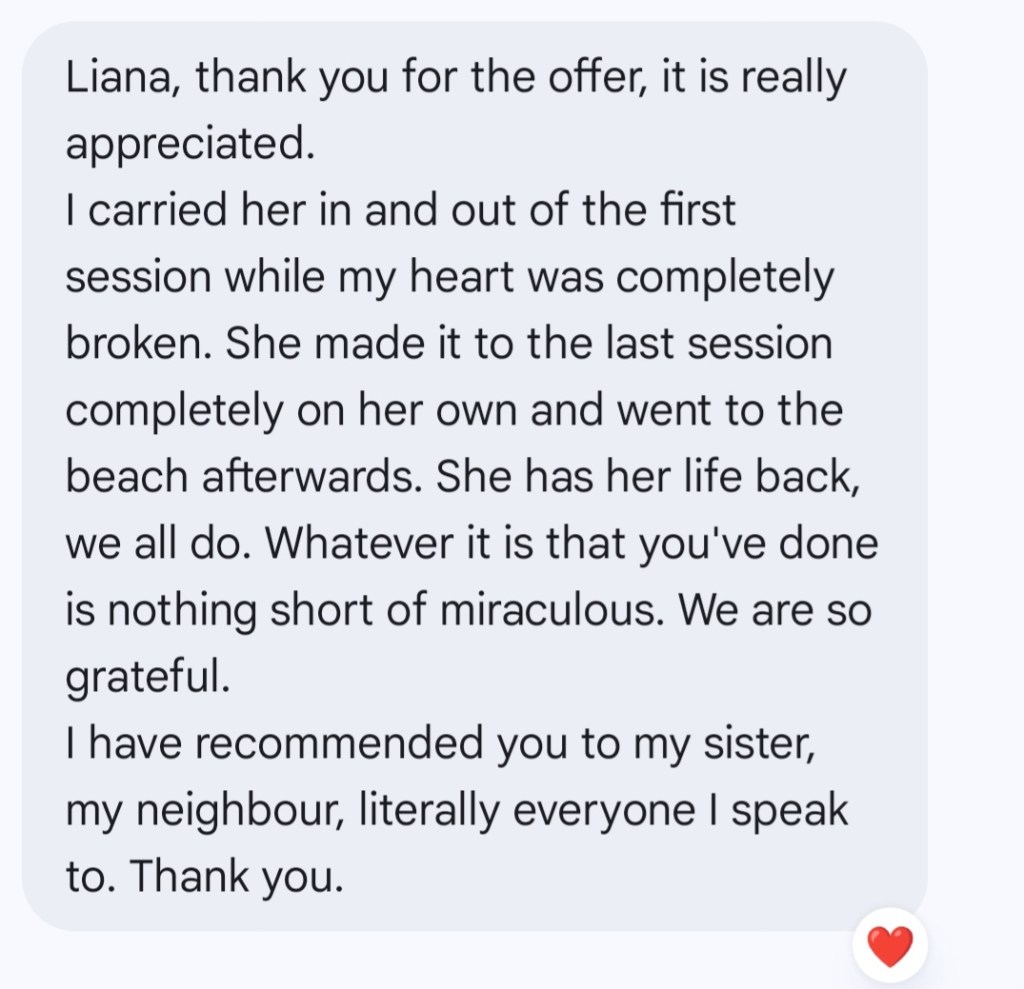
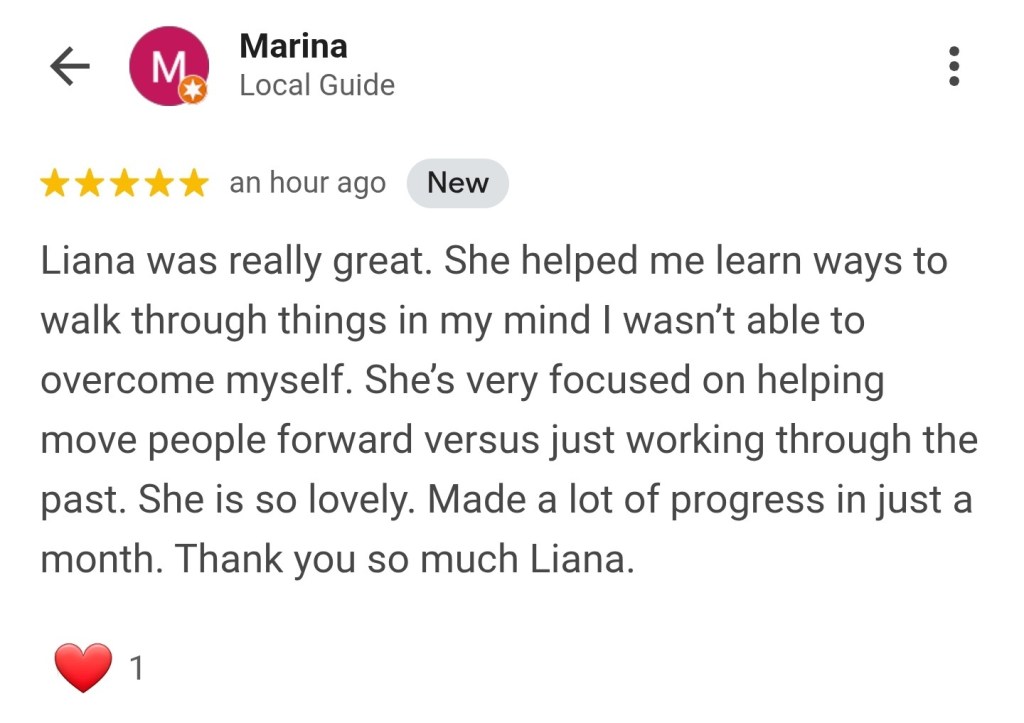
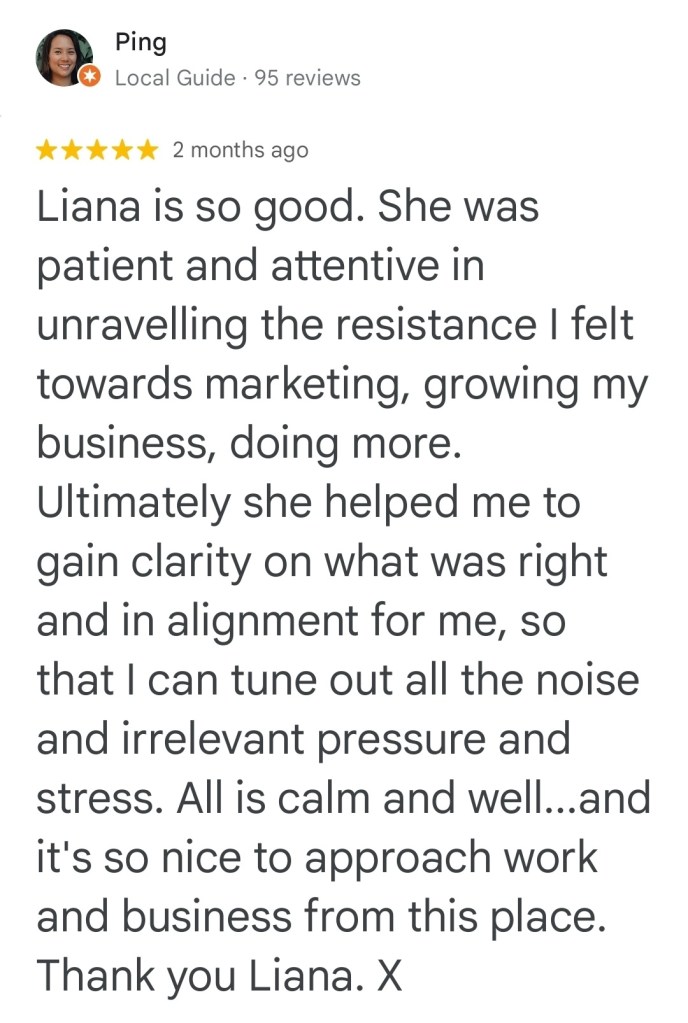
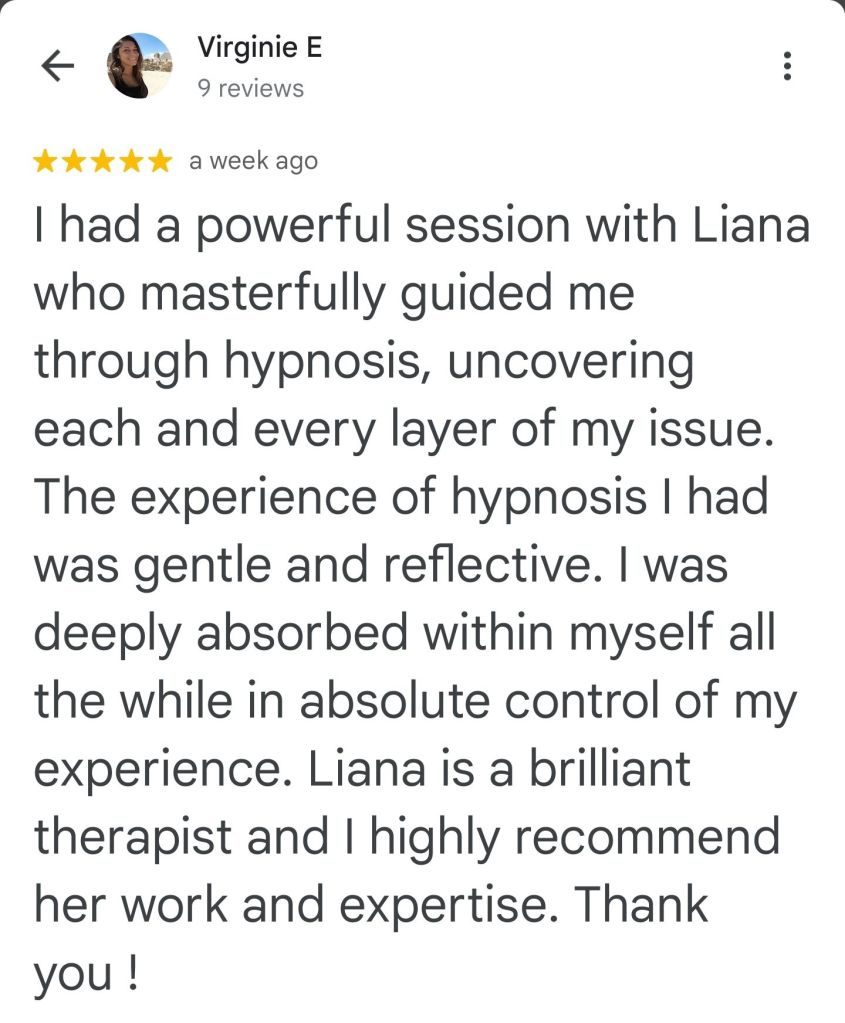
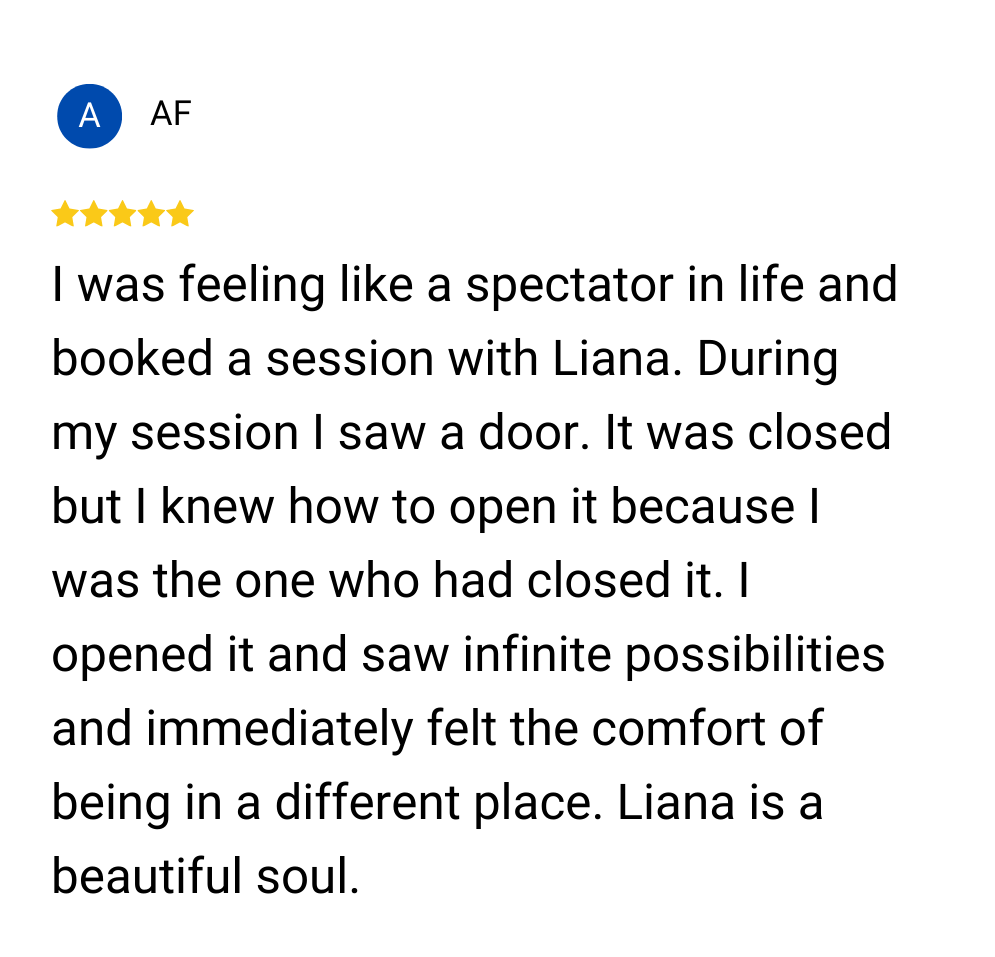
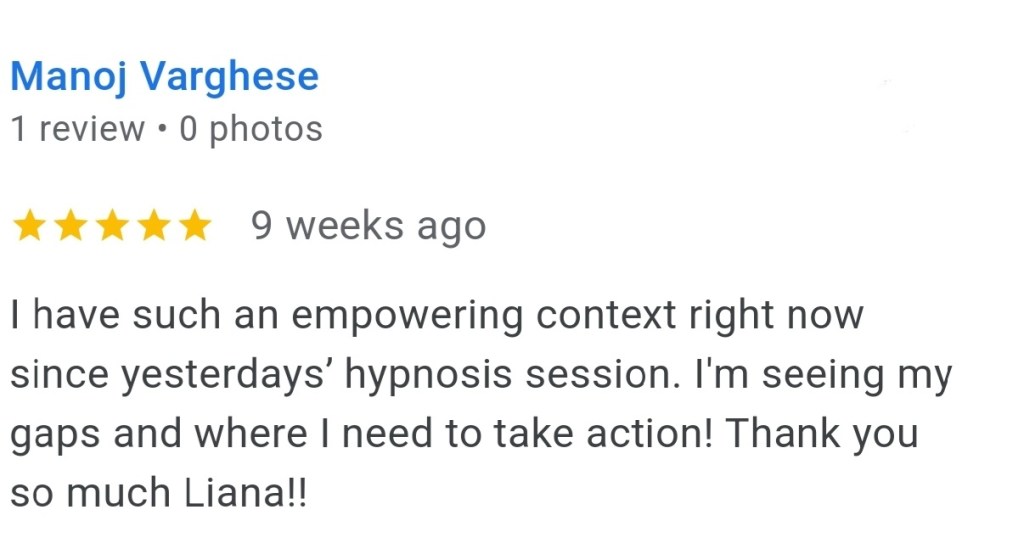
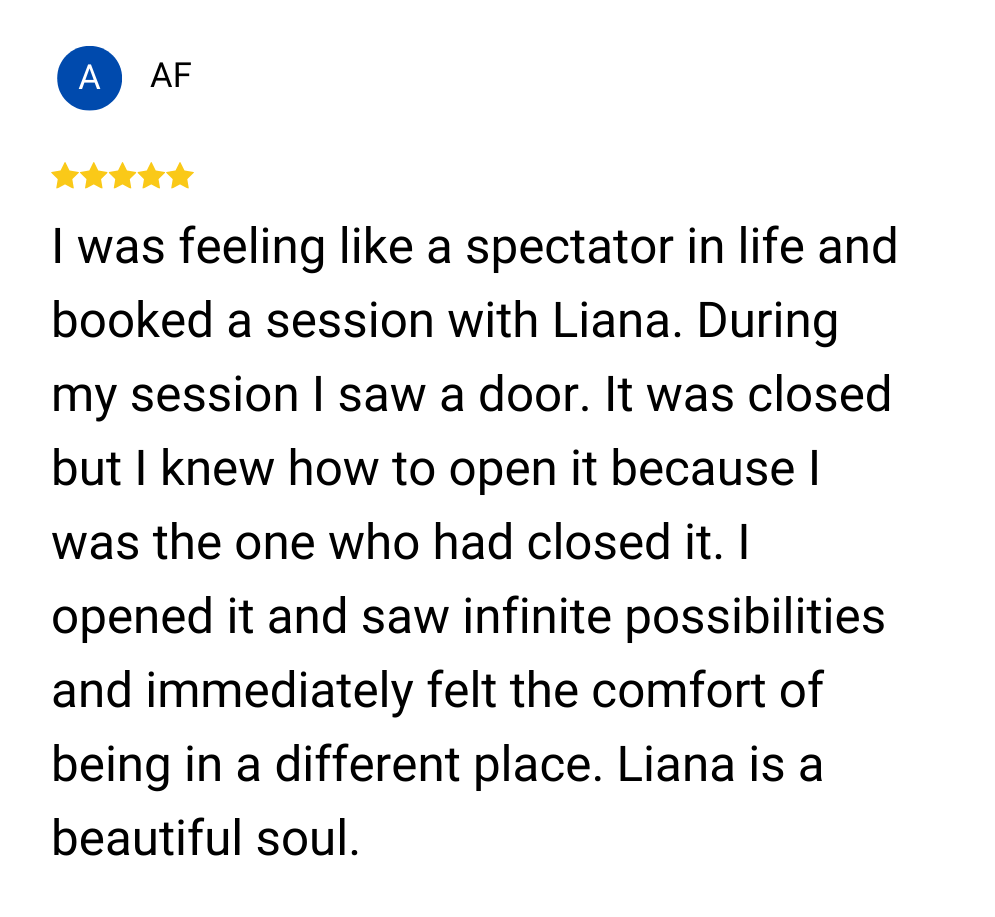
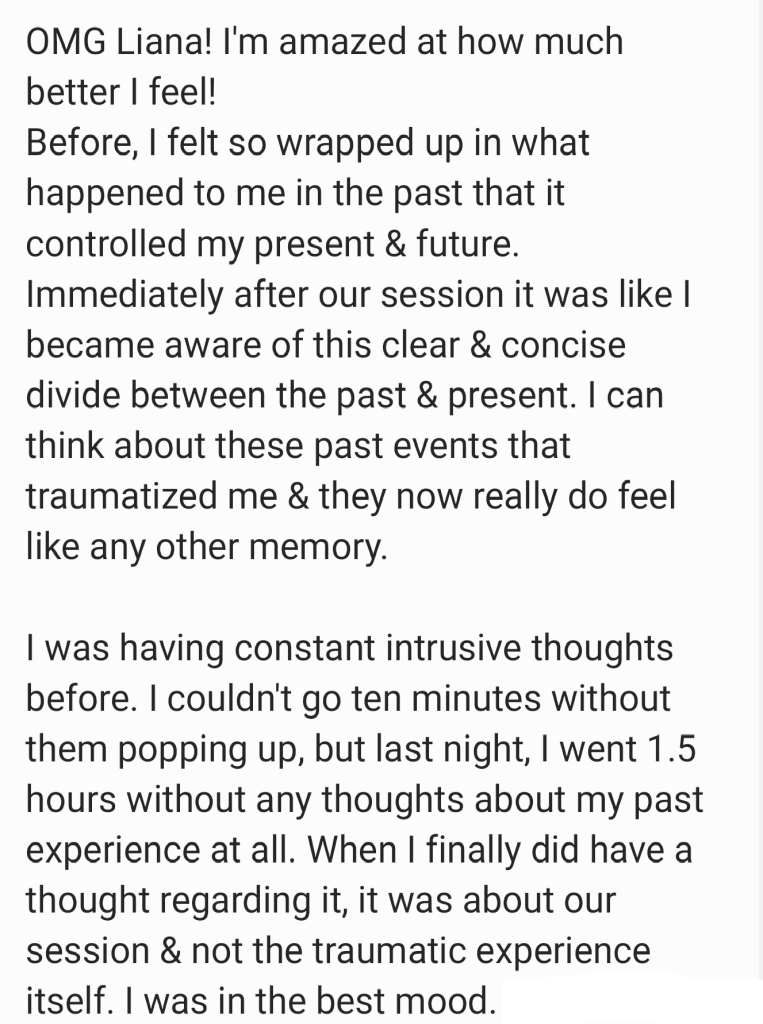
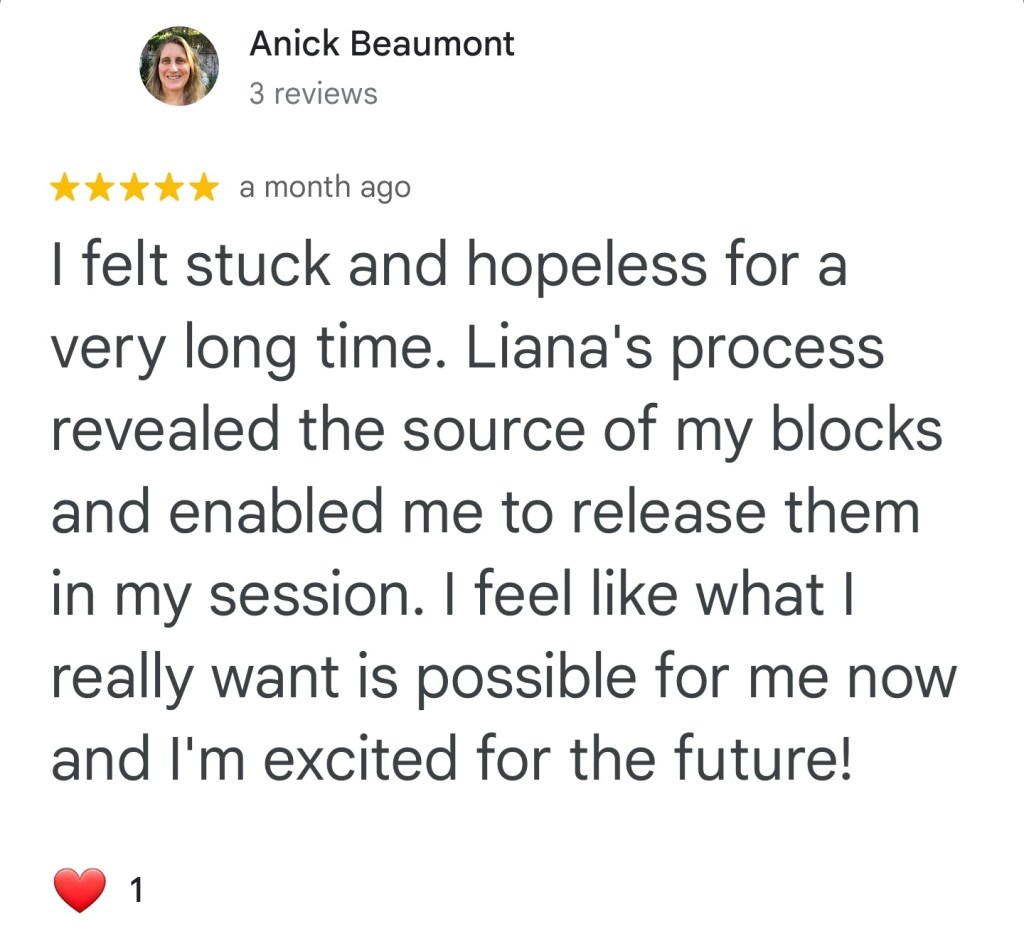
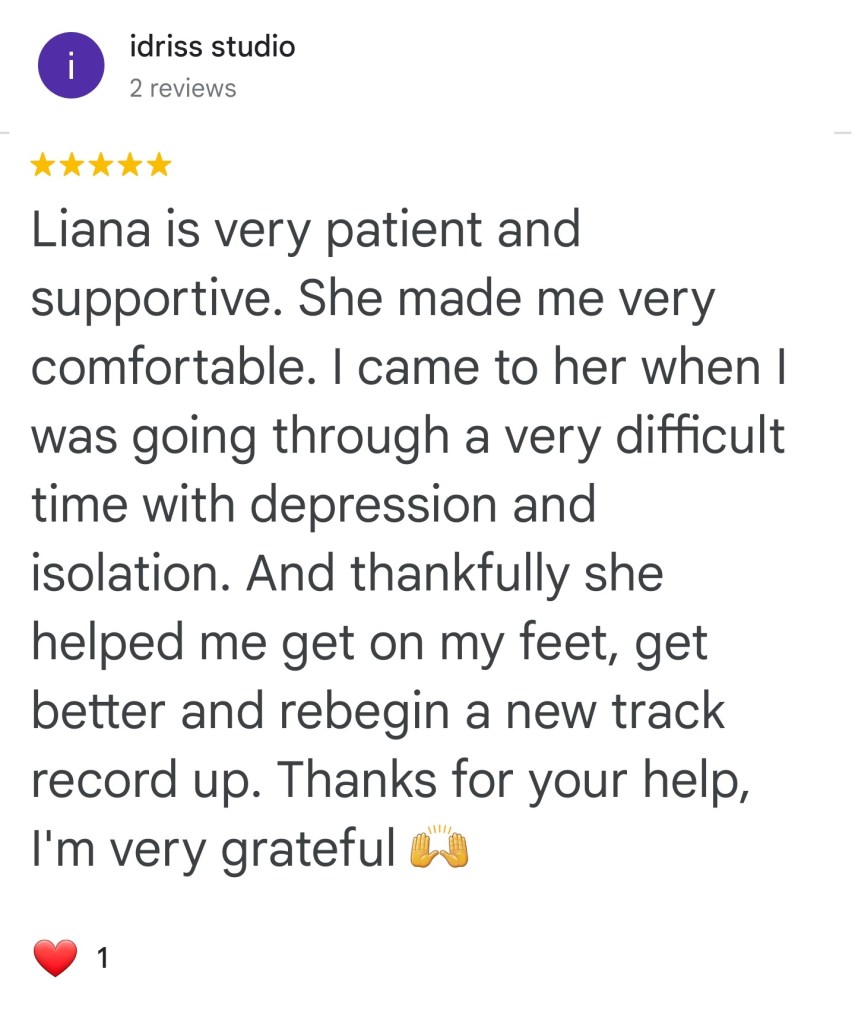
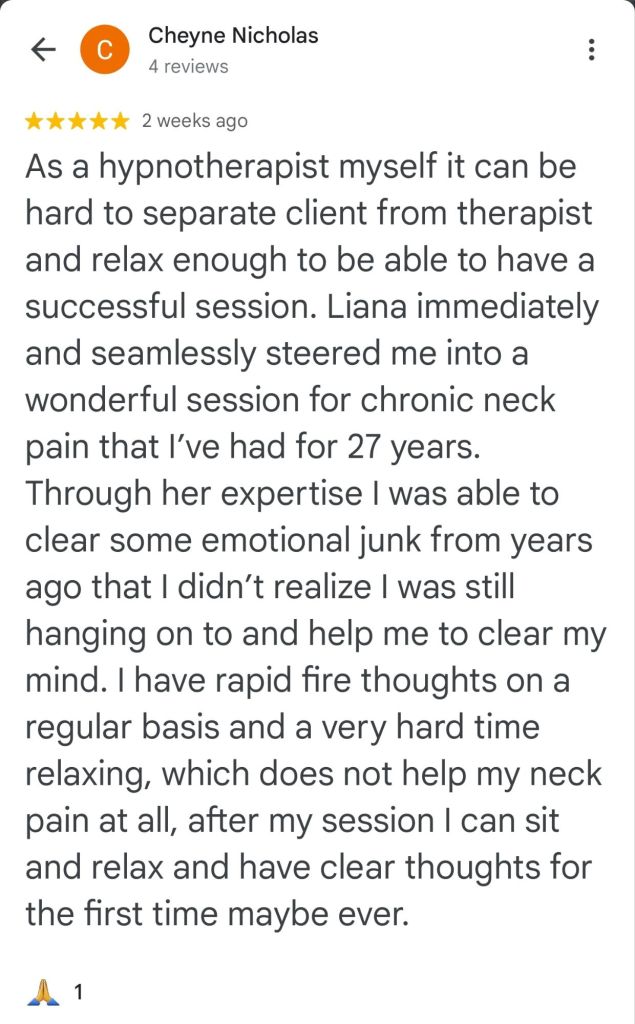
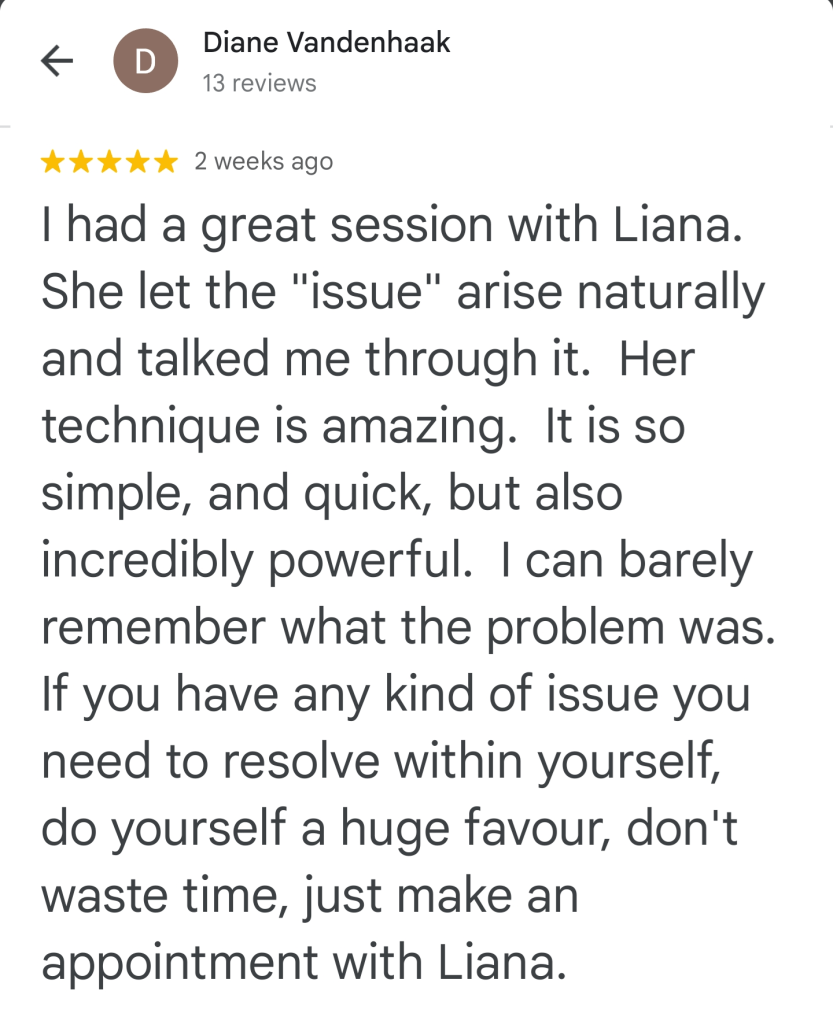
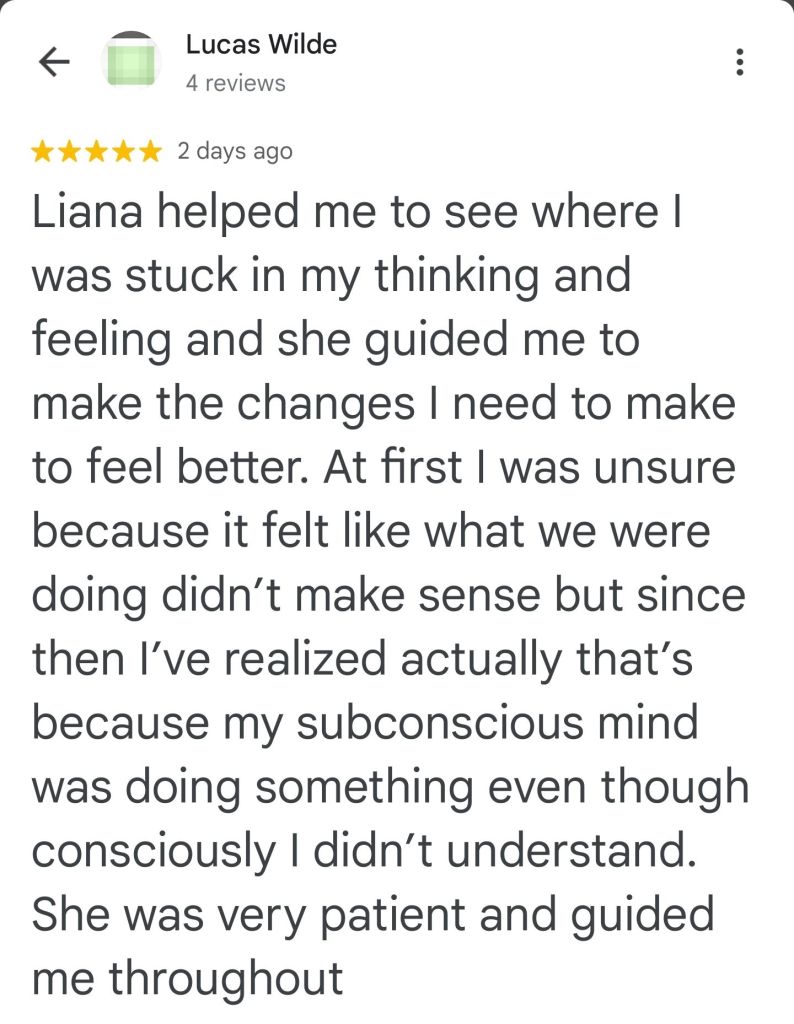
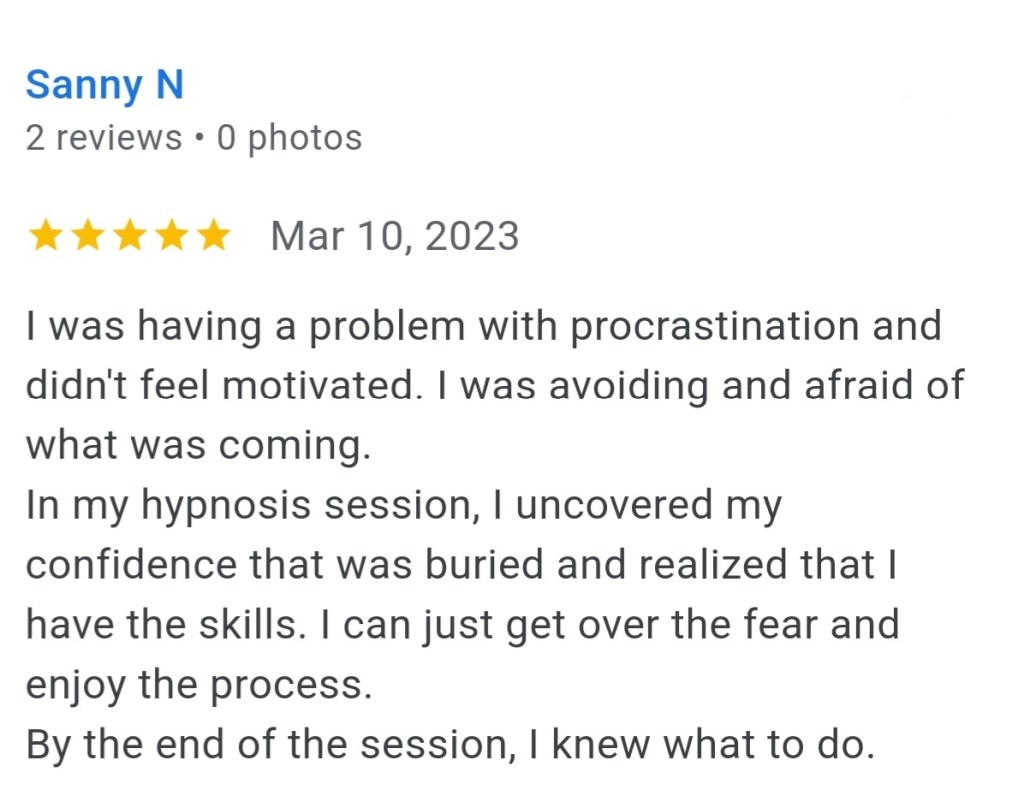
REVIEWS



























 Accelerated OEI Therapy
Leave a comment