Healing Beyond Words: How OEI Can Support Your Trauma Healing Journey
Sometimes talking about trauma can only take you so far.
You may understand exactly what happened. You may have talked about it to friends. You may even know why you react the way you do.
But you still feel anxious, overwhelmed, frozen, disconnected, or like you are right back in the experience again.
You’re triggered AF.
This is because trauma can show up through your body, your emotions, your nervous system, your beliefs about yourself, and the way you react when something feels unsafe.
Observed and Experiential Integration, or OEI, is a trauma-focused approach that works without words.
OEI uses focused attention, body awareness, and visual techniques—including alternating attention through one eye at a time—to help clients observe and work with emotional, sensory, and physical responses in the present moment.
OEI was developed by my mentors, Audrey Cook and Dr. Rick Bradshaw and has been studied as an approach for affect regulation and PTSD symptoms.
You do not have to remember to recover
When you have been through trauma, talking about trauma reactivates the feelings. Talking can reactivate feelings of shame, confusion, and overwhelm when you try to talk about painful experiences.
OEI does not require you to talk about the past. Instead we work with what is coming up right now: a body sensation, an emotion, an image, a feeling of dread, or the thought, “I’m not safe.” This can be helpful when your logical mind understands and has figured it out, but your body is still reacting as if the threat is happening now.
OEI helpd reduce emotional intensity
Trauma can make certain memories, triggers, or emotions feel like they happening in the present moment (even though they happened in the past). A sound, a tone of voice, a text message, or a place can suddenly bring up panic, rage, shutdown, or fear.
OEI techniques invite you to observe what changes as you focus on an experience in a structured way.
The goal is not to force you to relive the trauma or even let go of it but instead we let go of letting go because trying to let go causes resistance.
OEI helps reduce the emotional charge, so the memory can feel more like something that happened in the past rather than something happening to you right now.
A small randomized trial reported lower PTSD-symptom measures for OEI participants compared with a delayed-treatment control group.
OEI helps you reconnect with your body
After trauma, you may have become disconnected from your body because it doesn’t not feel safe. You may live in your head, stay busy, numb out, overthink, or ignore your own needs until you are exhausted AF.
OEI can help you start noticing what is happening in your body without judging it or trying to fix it right away. You might notice tightness in your chest, a knot in your stomach, heaviness, numbness, or a feeling of wanting to run. These responses are not random. They are your access to integration (the neuroscience word for healing) through OEI
OEI supports emotional regulation
When you are triggered, it can feel like your thinking brain goes offline. You may know you are safe, but your nervous system didn’t get the memo.
OEI is designed to help you stay connected to present-moment awareness while working with emotions, memories, and body sensations.
The process helps you focus on subtle shifts rather than forcing change. Over time, this can support a greater sense of choice: the ability to pause, notice what is happening, and respond in a way that feels more aligned with you.
OEI can help you rediscover yourself
Trauma can make you lose trust in yourself. You feel confused, and question yourself, minimize what happened, people-please, stay hypervigilant, or feel disconnected from your own needs and boundaries.
Healing is not about becoming who you were before trauma. It is about reconnecting with the parts of you that had to go quiet in order to survive.
OEI can be one supportive tool in that process, helping you work with the emotional and physical impact of what happened.
OEI works with a little at a time so you’re not overwhelmed. Because when you’re overwhelmed, your brain can’t integrate and put the past into the past.
If you’ve been trying everything but nothing is really getting you to where you really want to be…
Let’s connect.
Listen, are you breathing just a little and calling it a life?
-MO
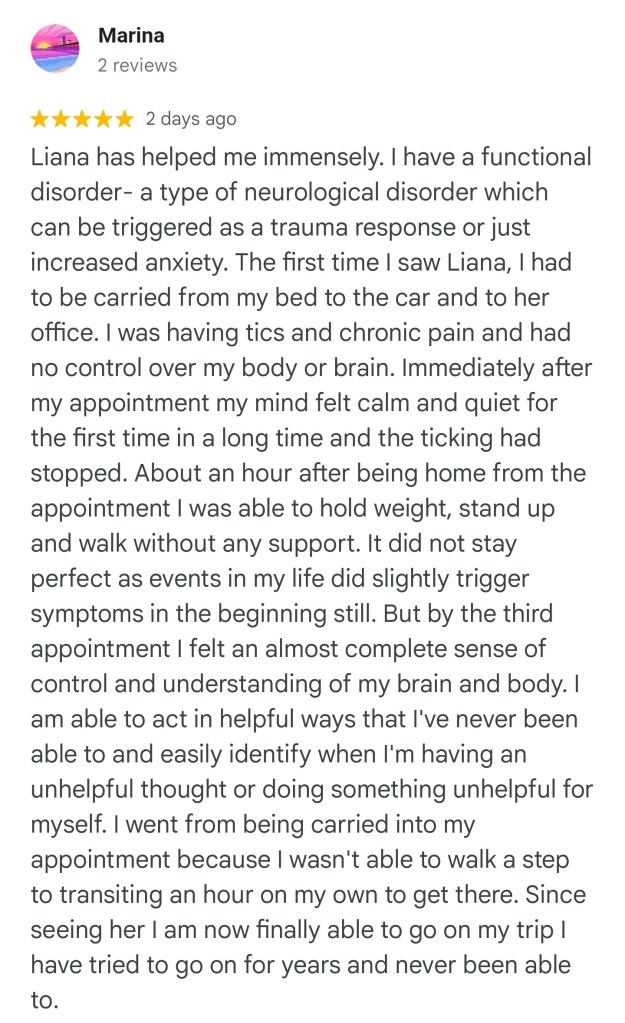
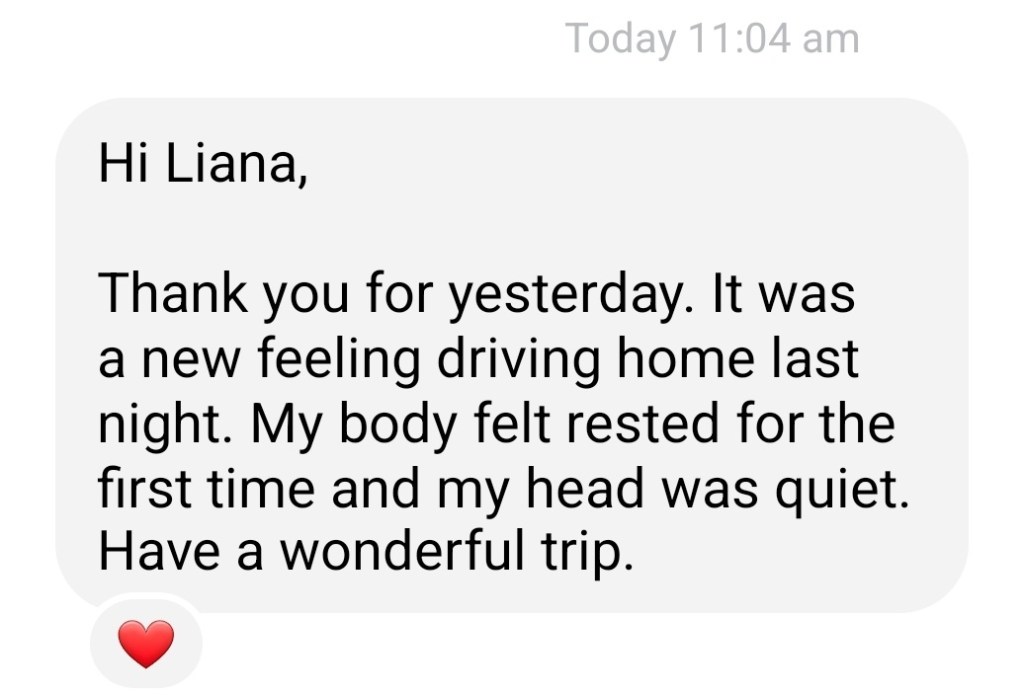
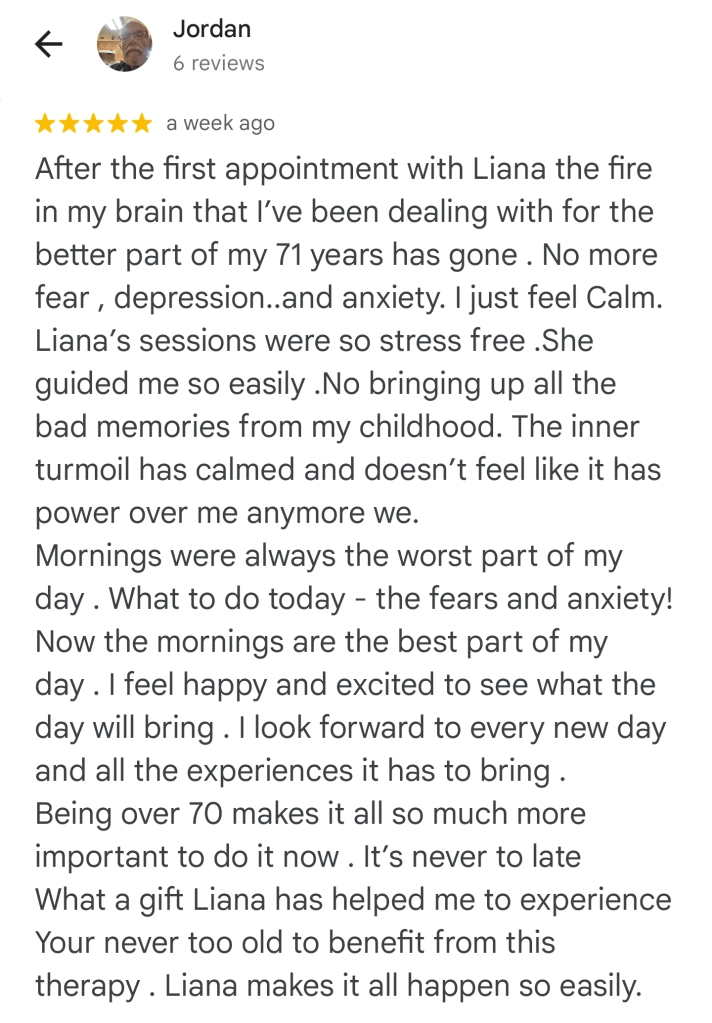
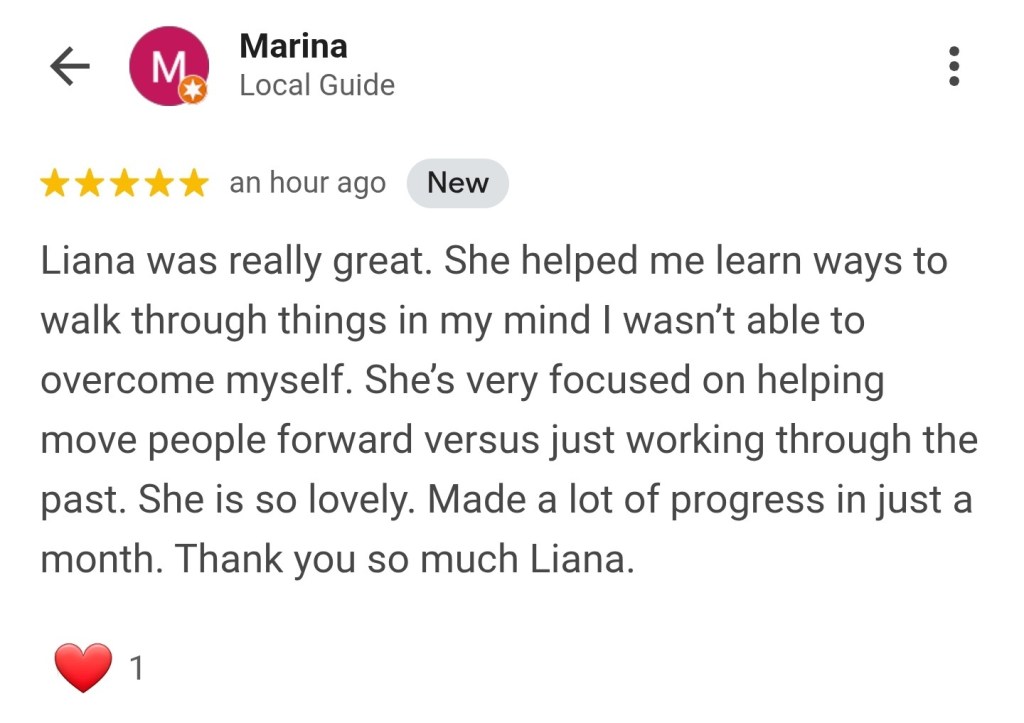
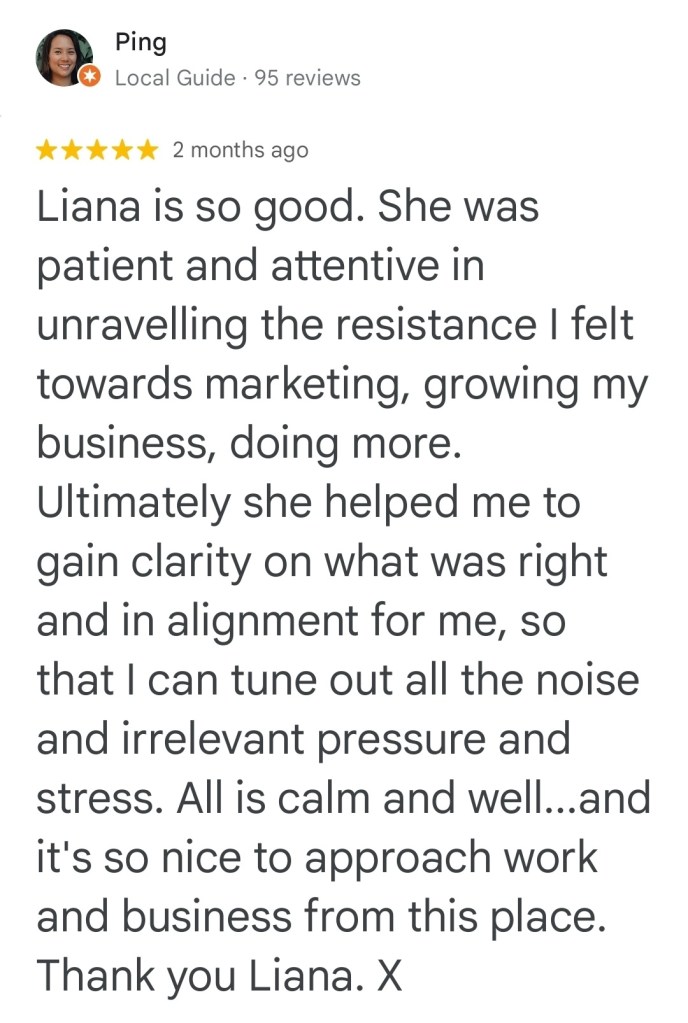
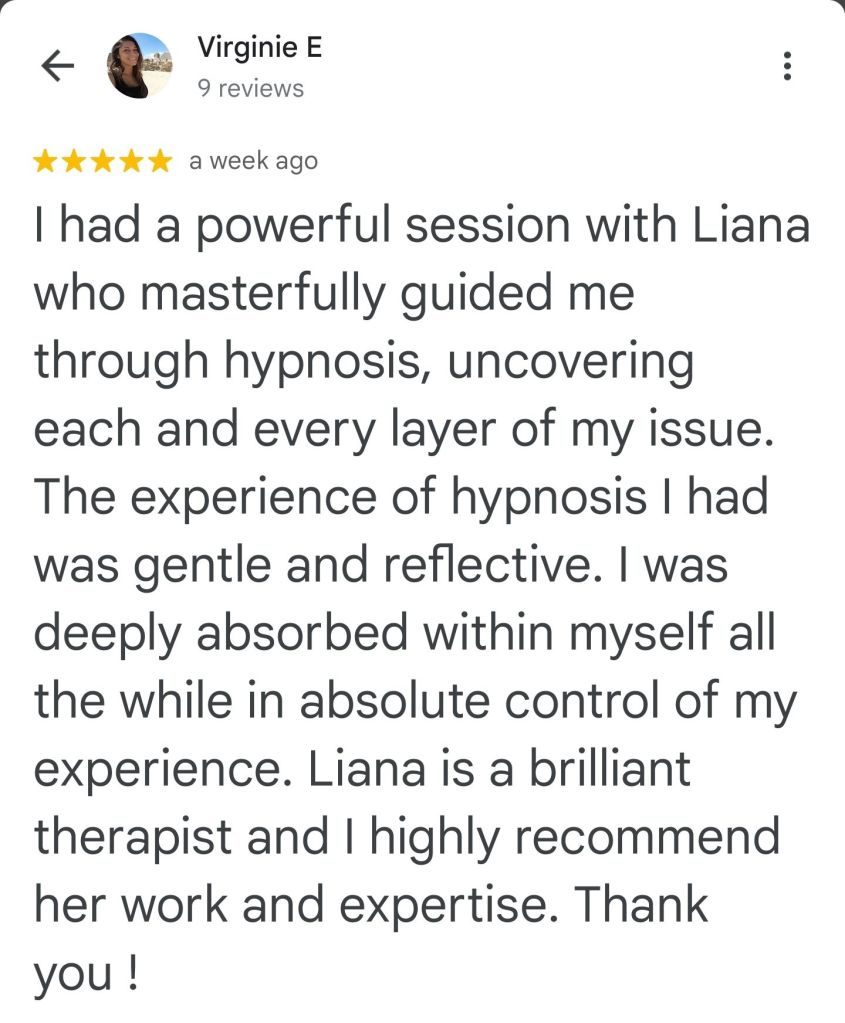
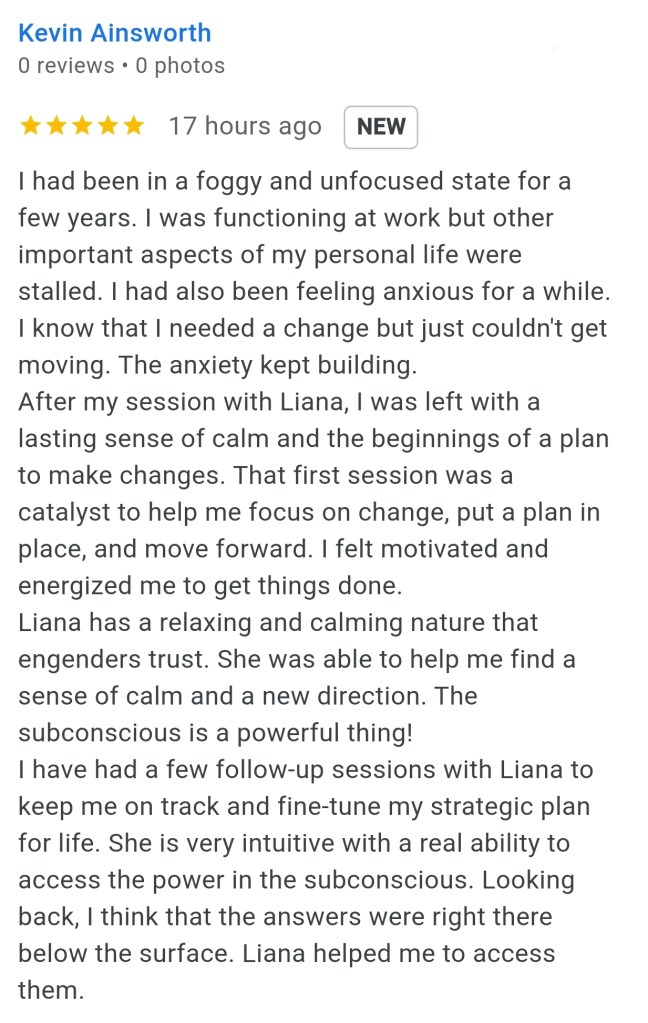
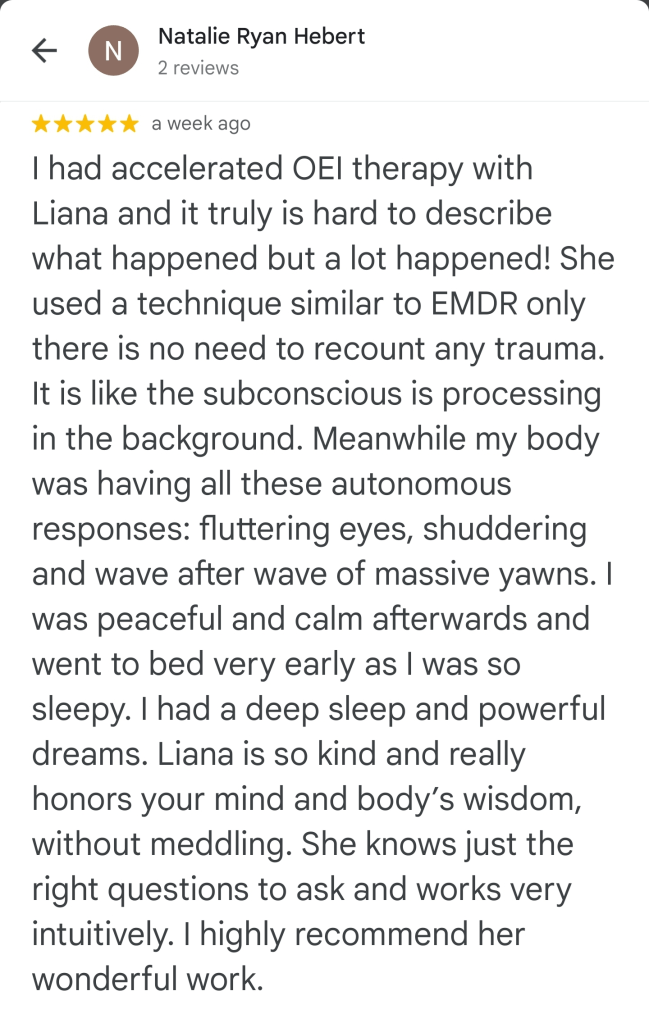
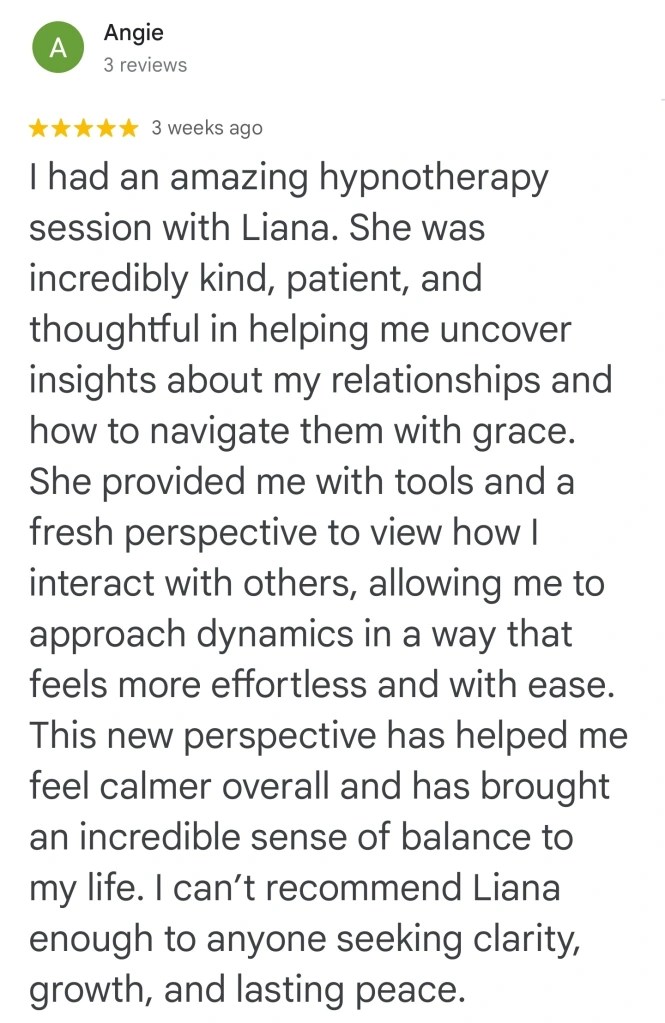
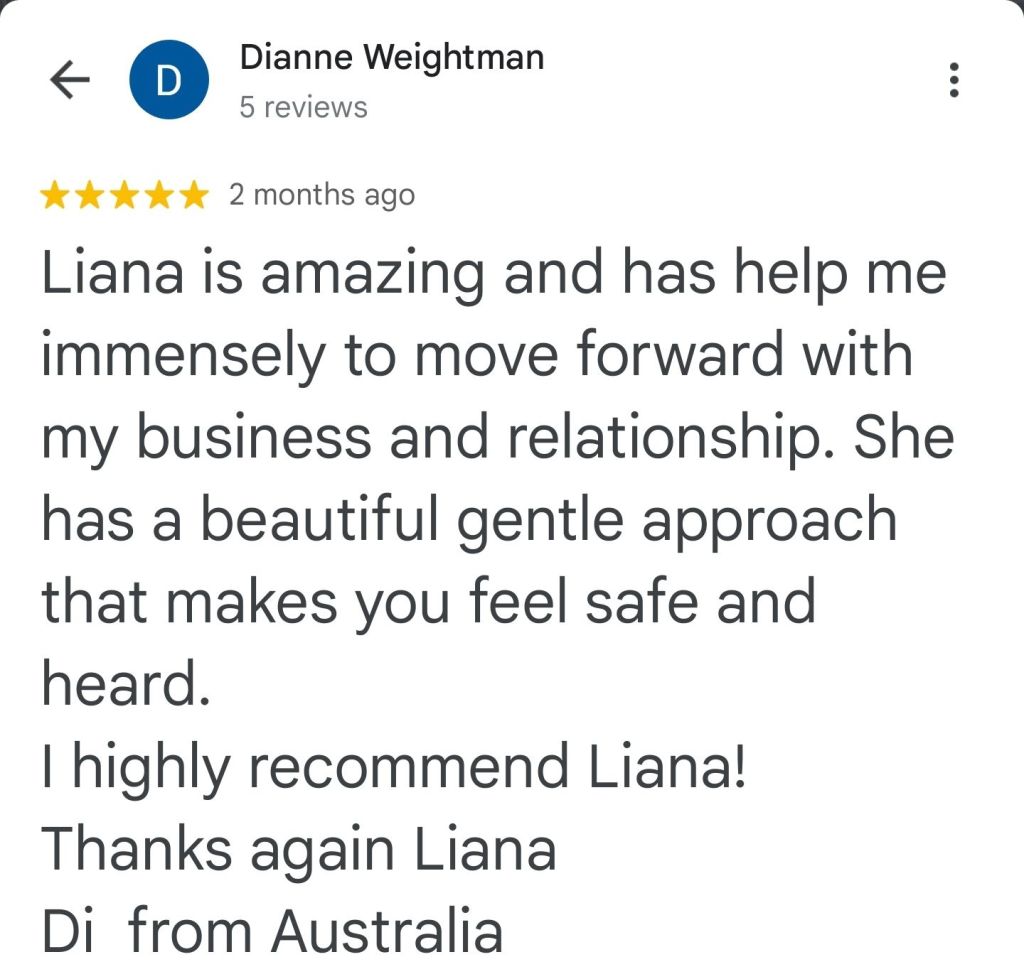
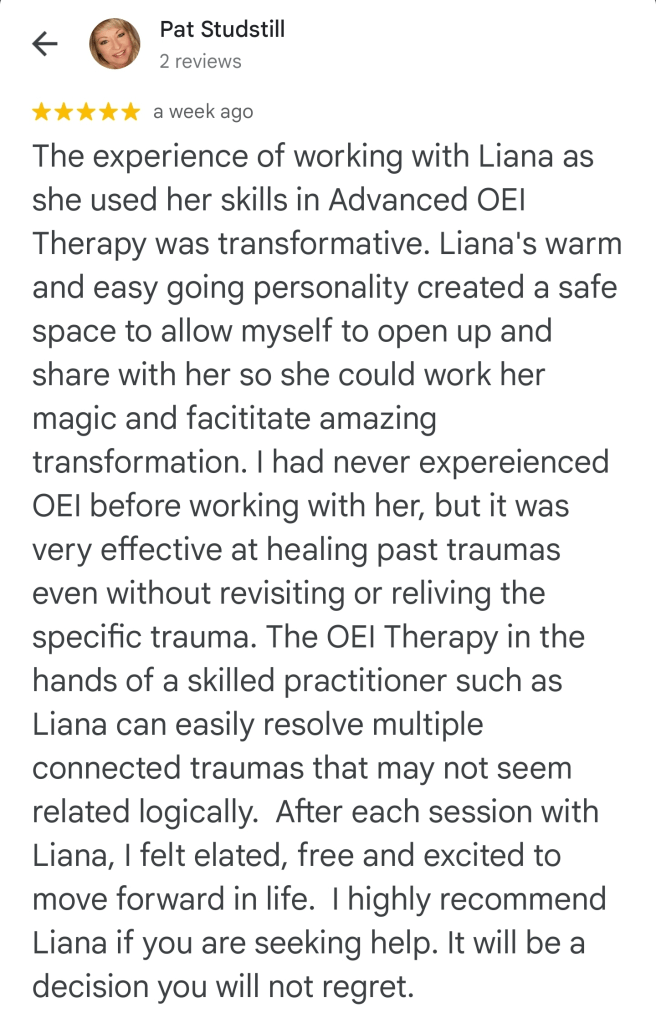
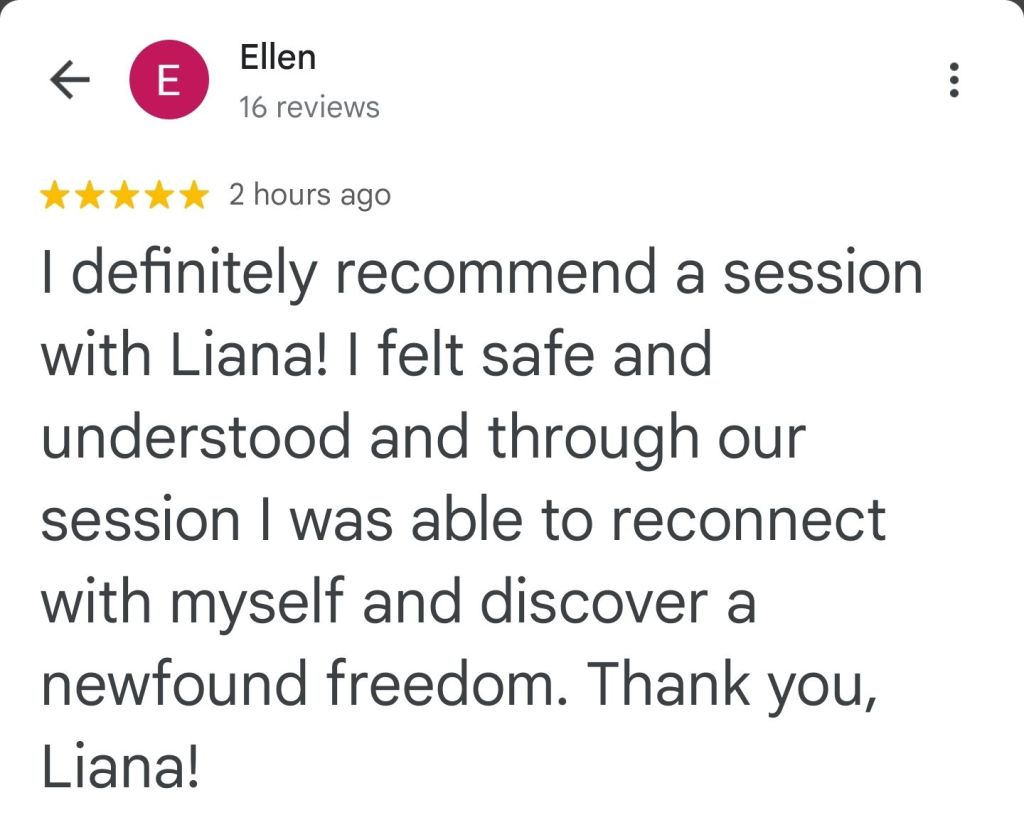
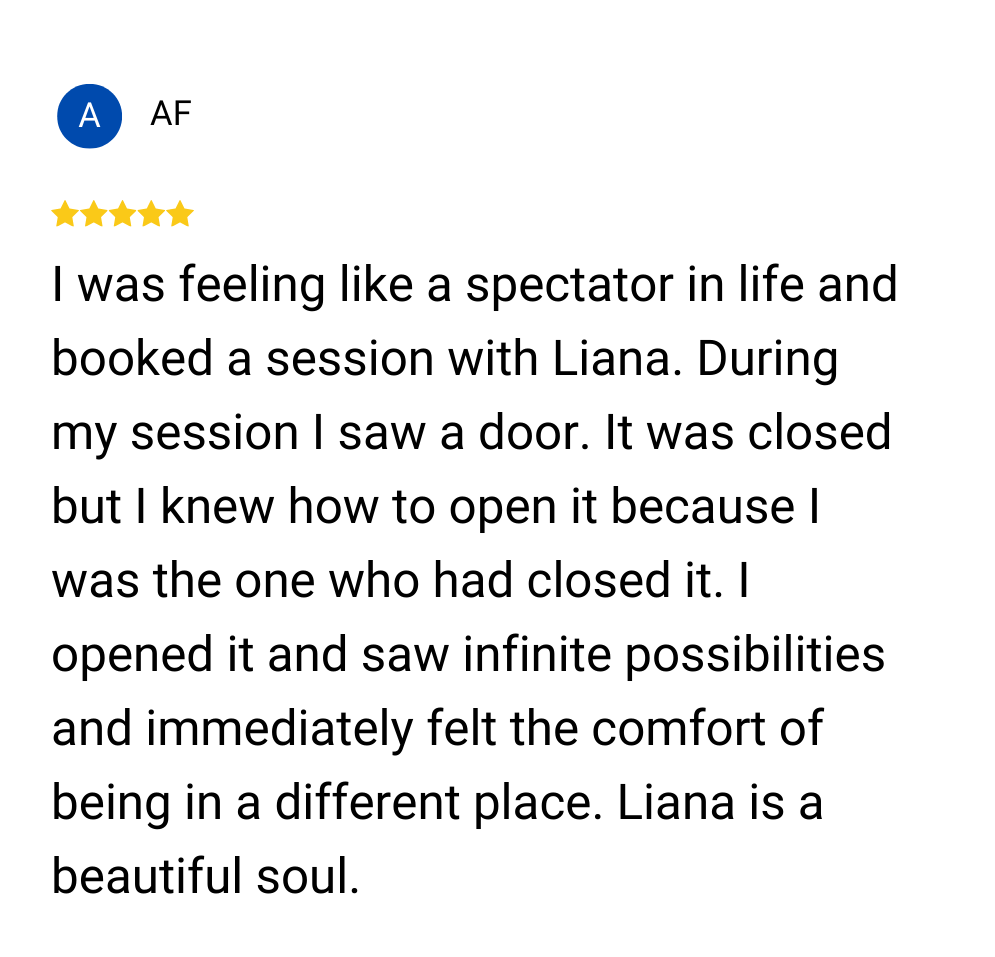
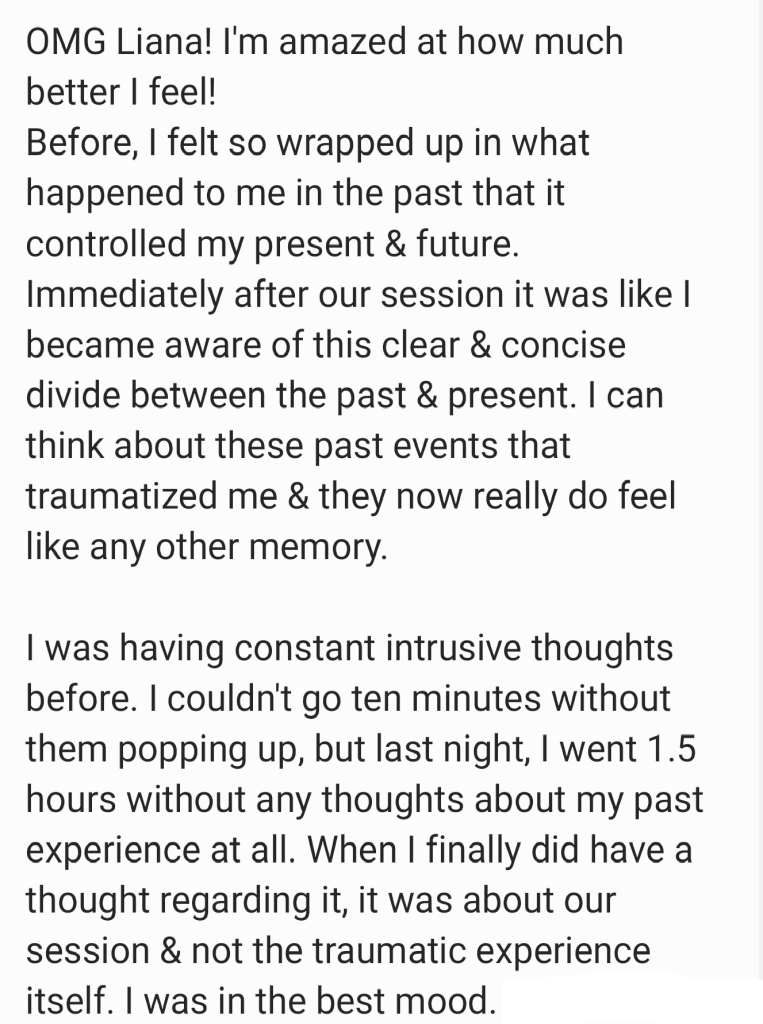
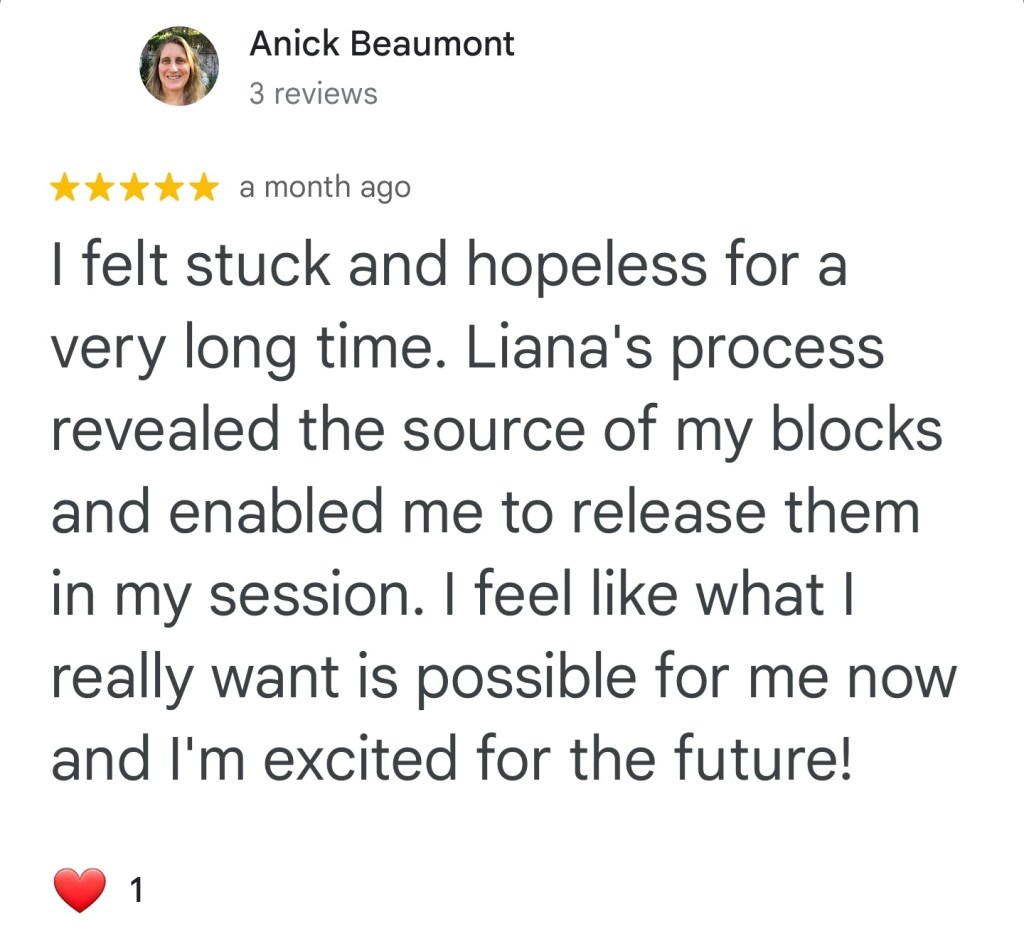
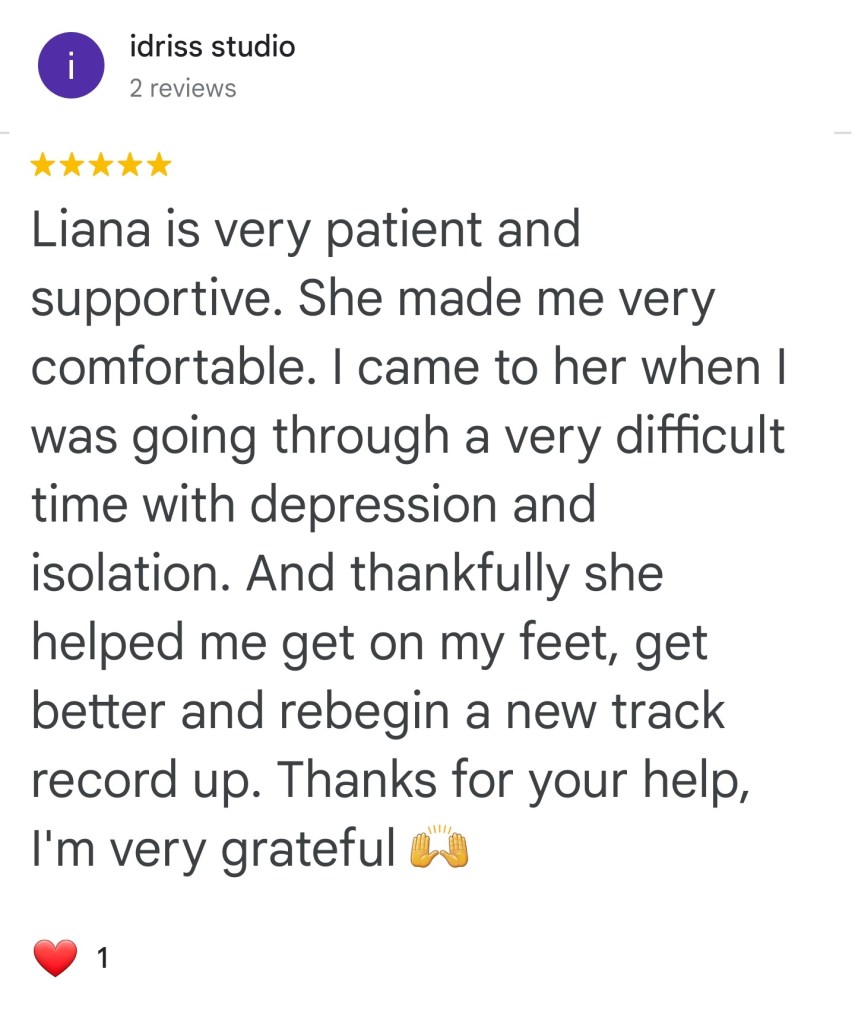
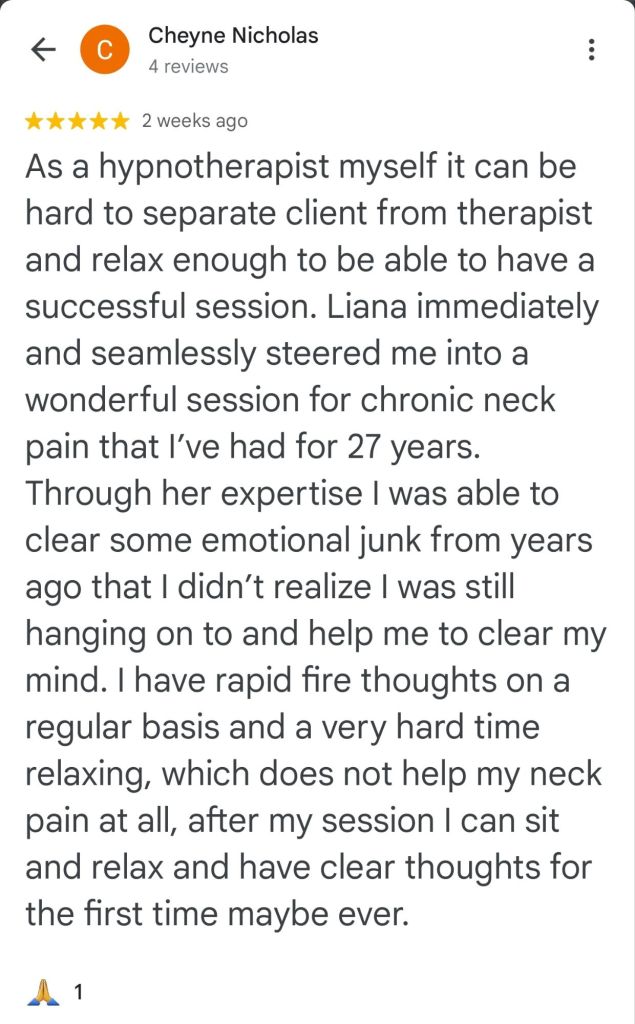
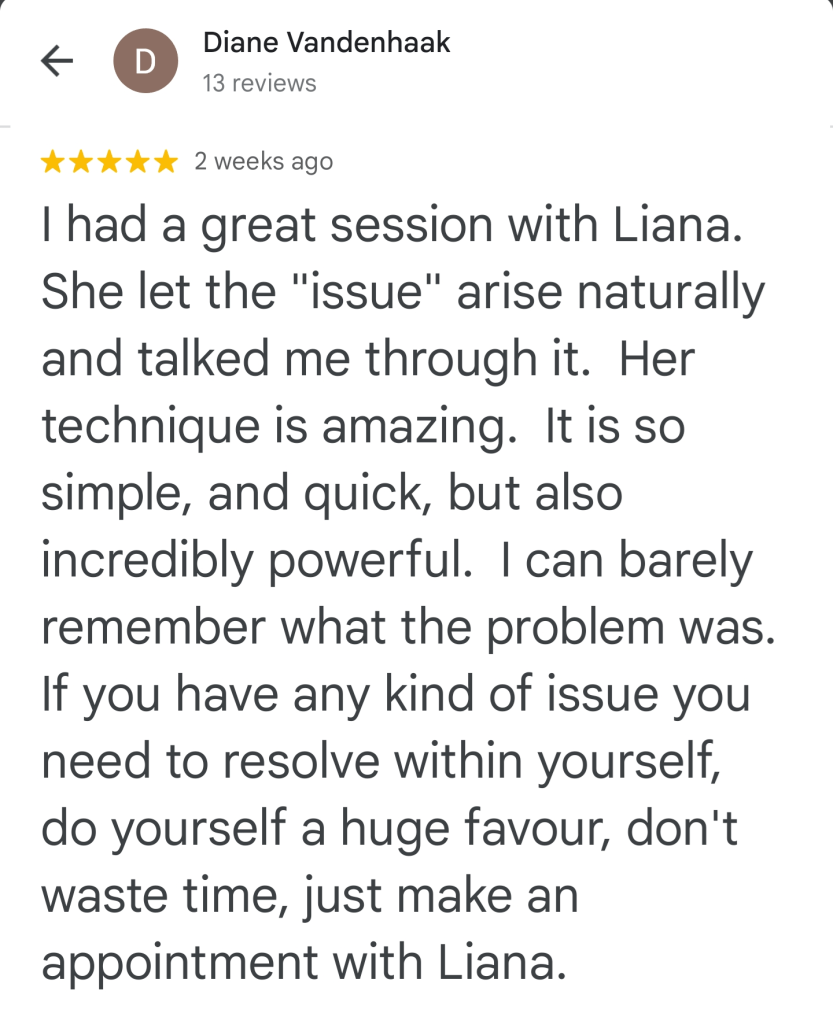
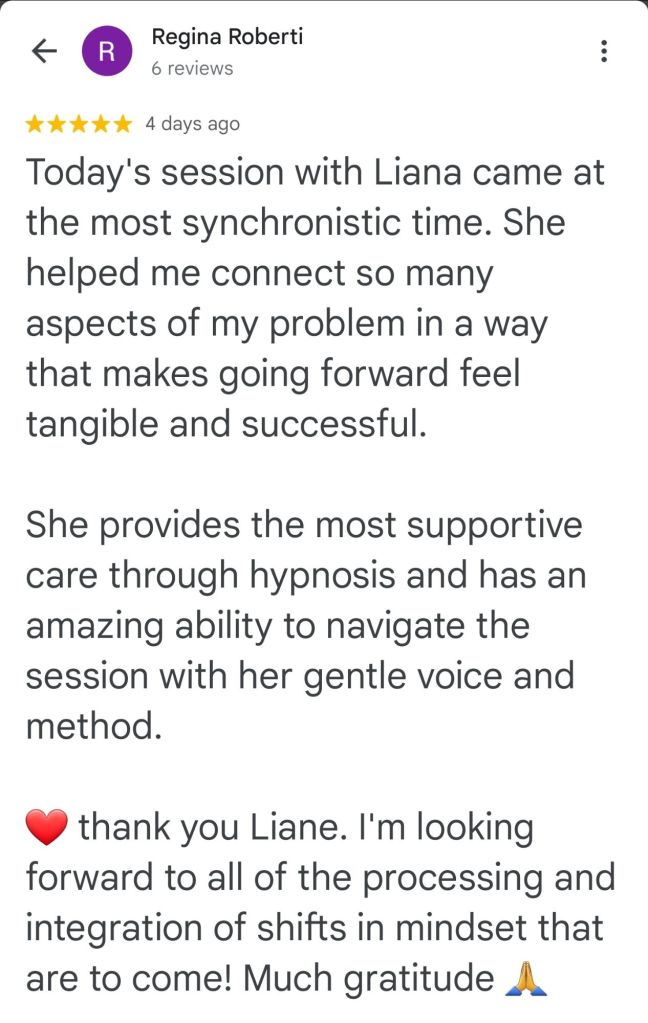
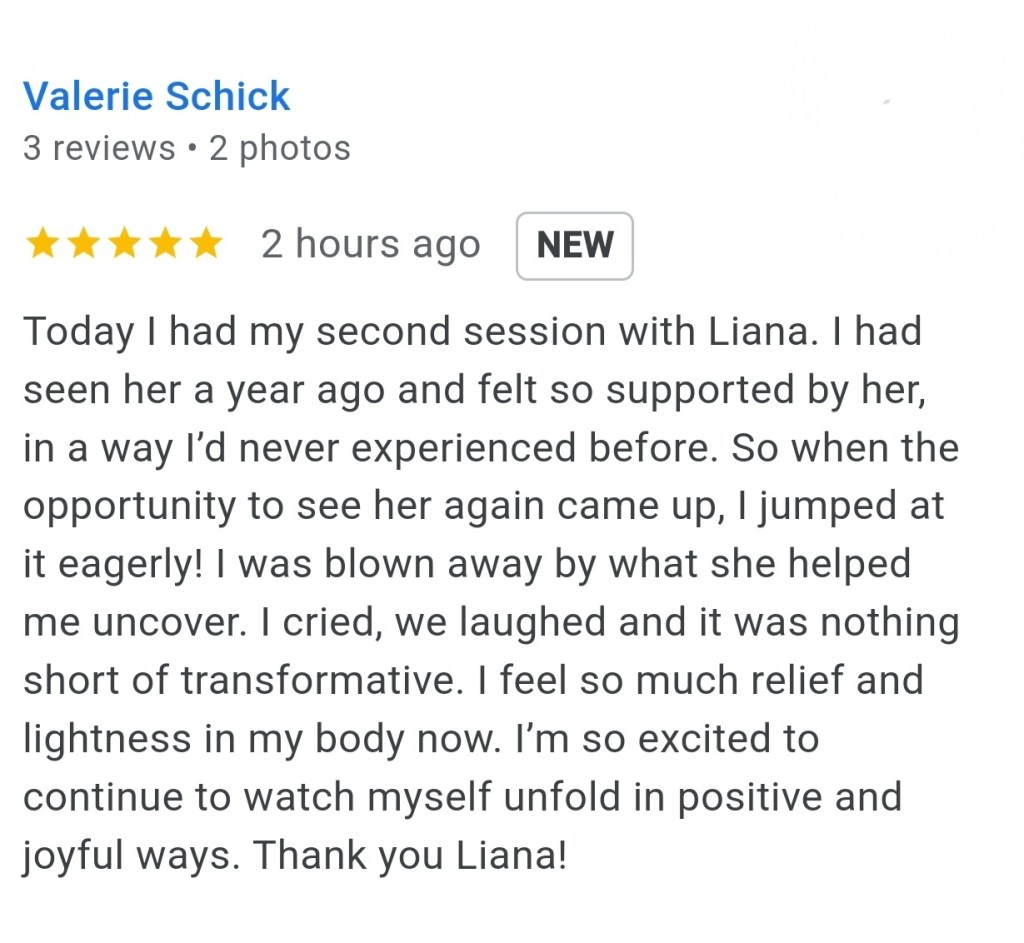
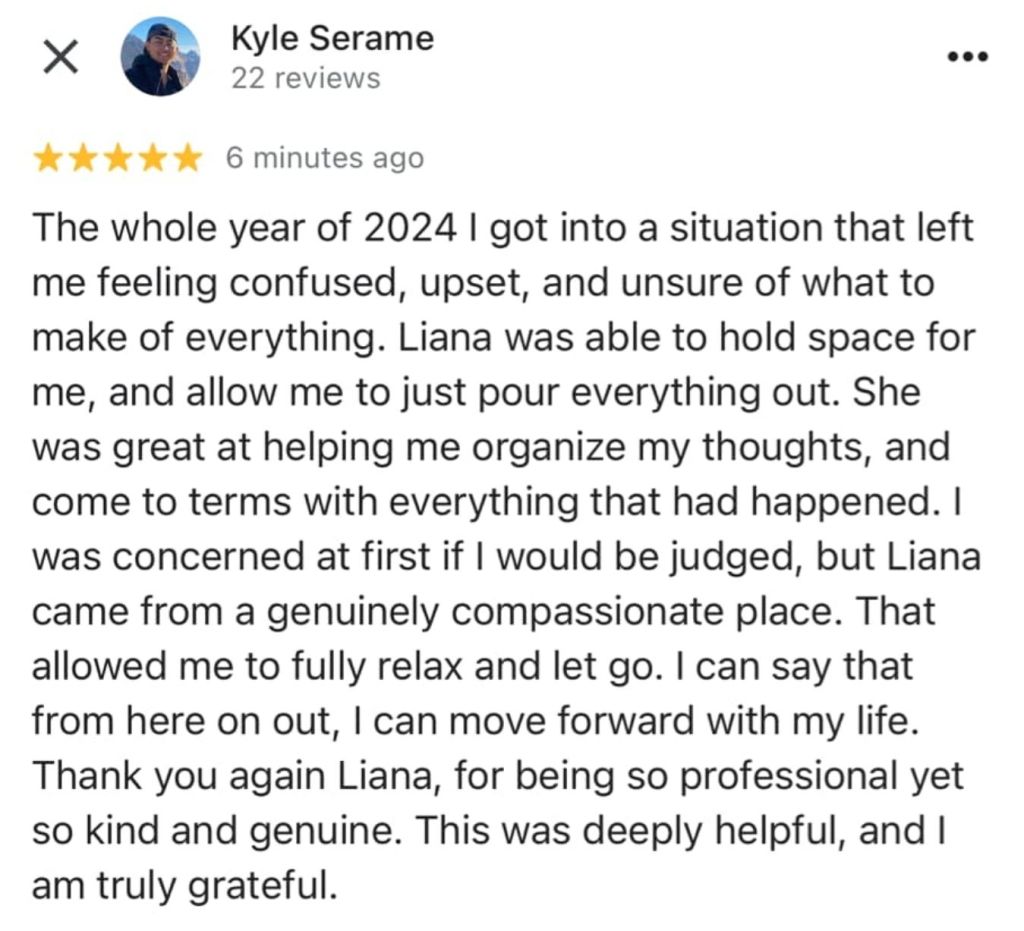
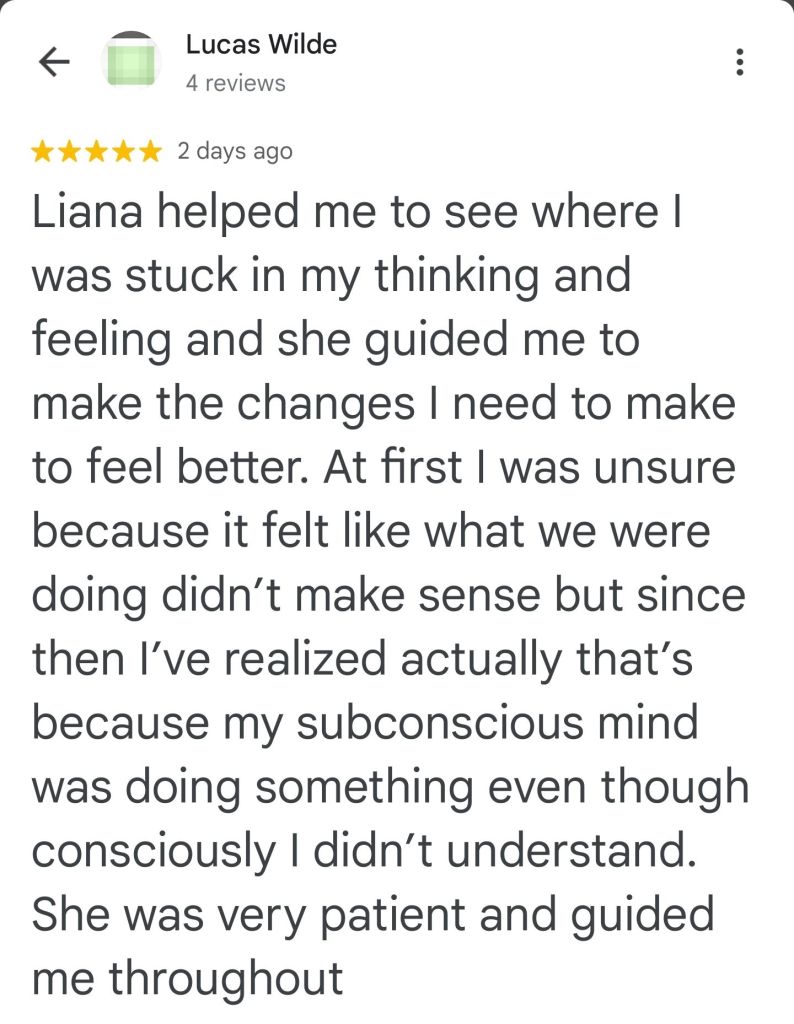
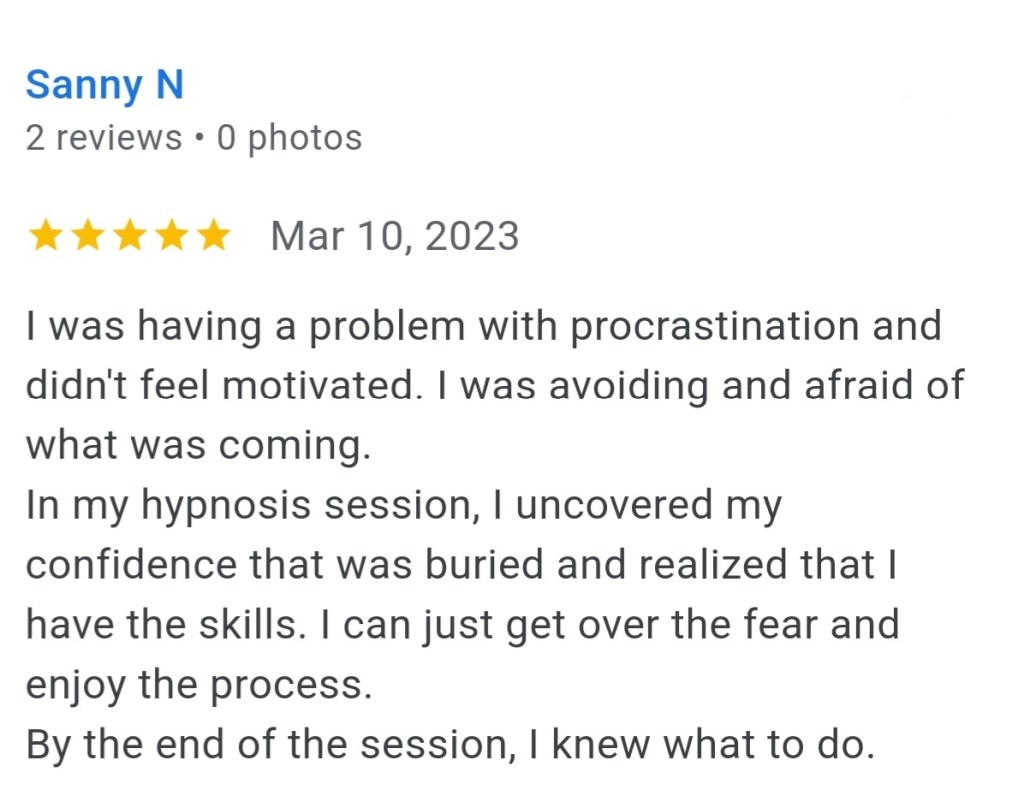
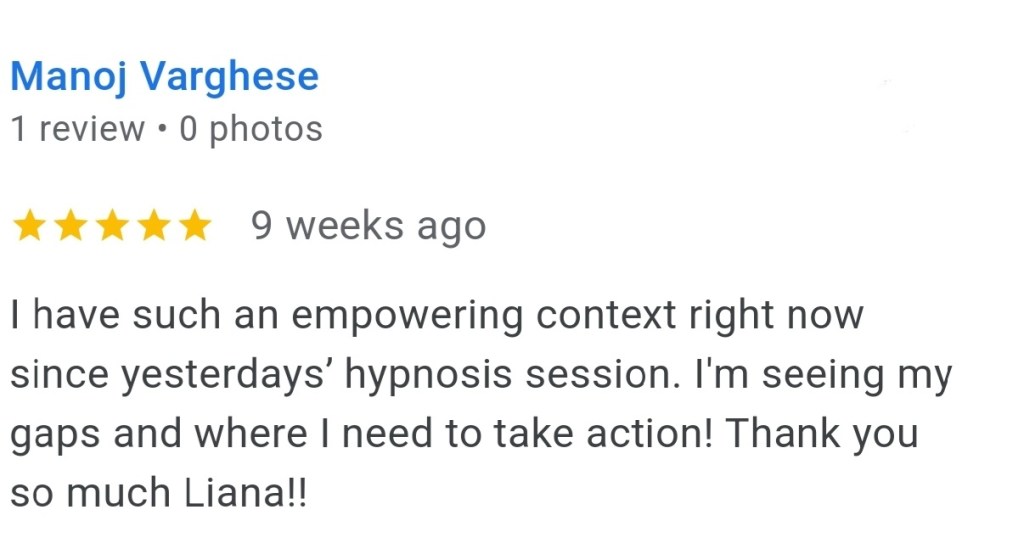
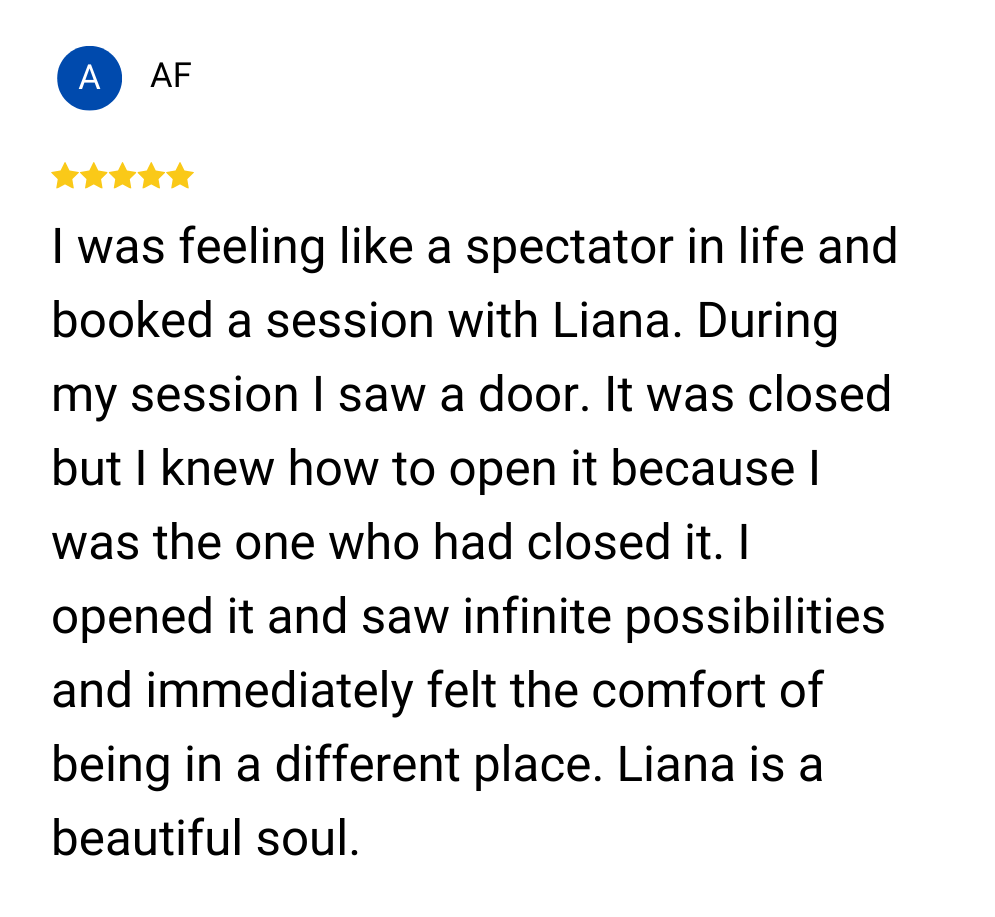
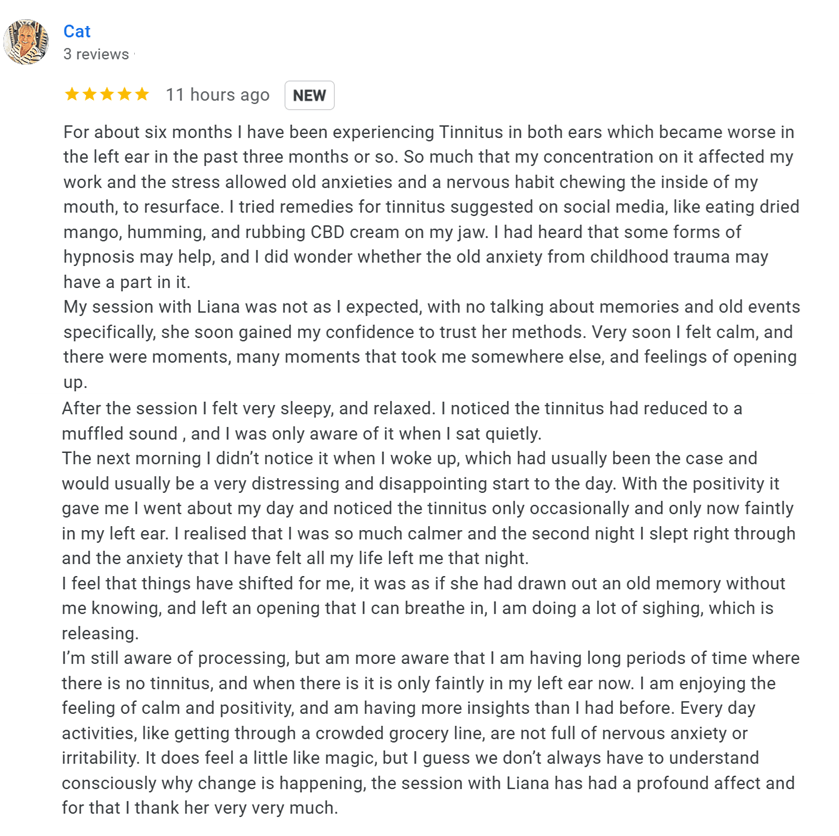
WHAT CLIENTS ARE SAYING
























Register for my Infidelity & Betrayal Trauma Recovery Course on Udemy
“We cannot ignore our pain and feel compassion for it at the same time.’
-Brené Brown


Leave a comment