
OEI therapy for trauma processing
OEI therapy for trauma recovery is one of the fastest and most effective approaches I’ve seen in clinical practice.
Observed & Experiential Integration (OEI) works with the brain and nervous system directly, helping you process traumatic memories without being overwhelmed by them.
If you’ve tried talk therapy or EMDR (Eye Movement & Desensitization Reprocessing and still feel stuck, maybe this is what you’re looking for.
What is OEI therapy?
Observed & Experiential Integration is a form of bilateral stimulation therapy that evolved from EMDR and developed in Canada.🍁
It takes what works from EMDR and leaves what doesn’t behind, it leaves the procedures so it can respond to what is happening in the present moment.
Because the solution you’re looking for will come in the present moment, not from the past.
Like EMDR, it uses eye movements, but OEI has a unique focus: tracking micro-expressions and using different visual fields to activate and calm specific brain responses.
When trauma is “stuck,” the brain keeps replaying the memory but the brain and body think that it’s happening in the present moment.
OEI interrupts this cycle and allows integration.
Integration is the neuroscience term for how healing happens by enabling the brain to process the memory.
How OEI therapy works in trauma processing
Here’s the thing.
Trauma is a bad memory that is on random repeat —it makes the nervous system get stuck in survival mode, years sometime decades after you’ve experienced trauma.
When the brain’s alarm system is locked in the full ON position, OEI helps by shifting the control from the reactive parts of the brain (like the amygdala) to more regulated areas (like the prefrontal cortex).
During OEI, you cover or uncover parts of your visual field while focusing on the present moment, not the past.
This simple change of focus enables your brain to process and integrate the memory.
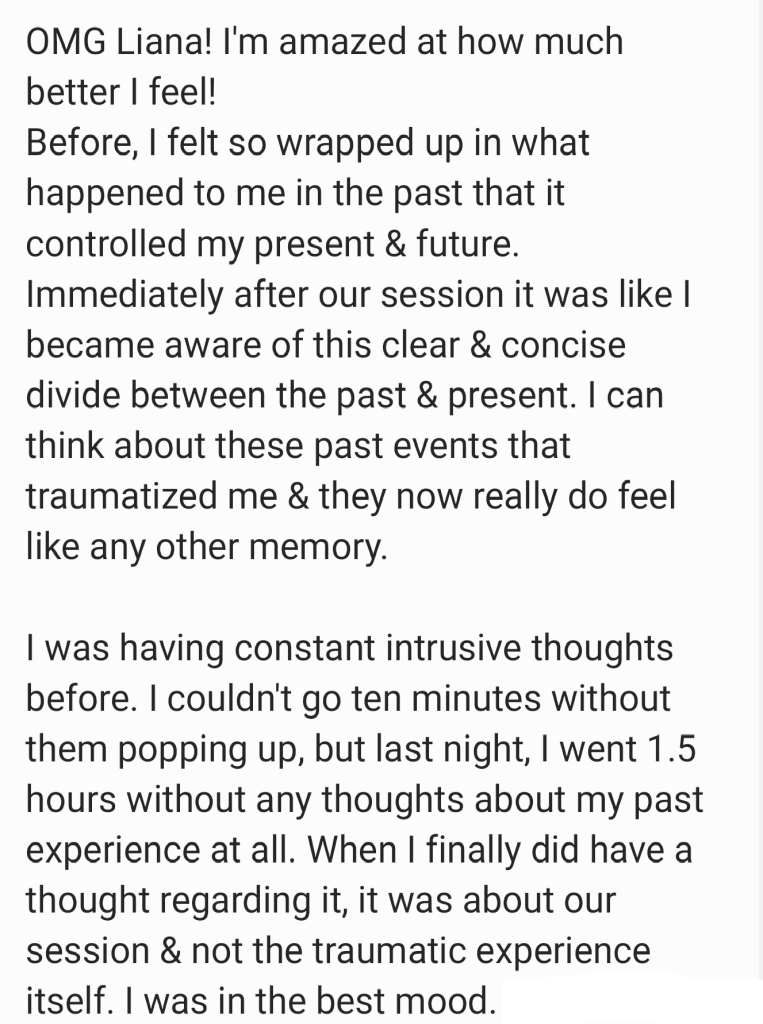
The emotional charge is gone, often within minutes when your brain is able to integrate the past into the past.
What makes OEI different from EMDR
Is OEI just a different form of EMDR.
Both use bilateral stimulation, but OEI adds a layer of precision.
Instead of standard eye movements, OEI uses partial blocking of the visual field, which engages different brain networks and makes integration possible.
Therapists also pay close attention to your facial micro-movements, which show when the brain is active.
This makes the process highly responsive and often faster.
Common issues OEI therapy helps with
OEI therapy isn’t just for trauma. It’s been used successfully for:
- Post-traumatic stress disorder (PTSD)
- Anxiety and panic
- Depression linked to unresolved trauma
- Dissociation and emotional numbing
- Grief and loss
- Relationship struggles rooted in early attachment wounds
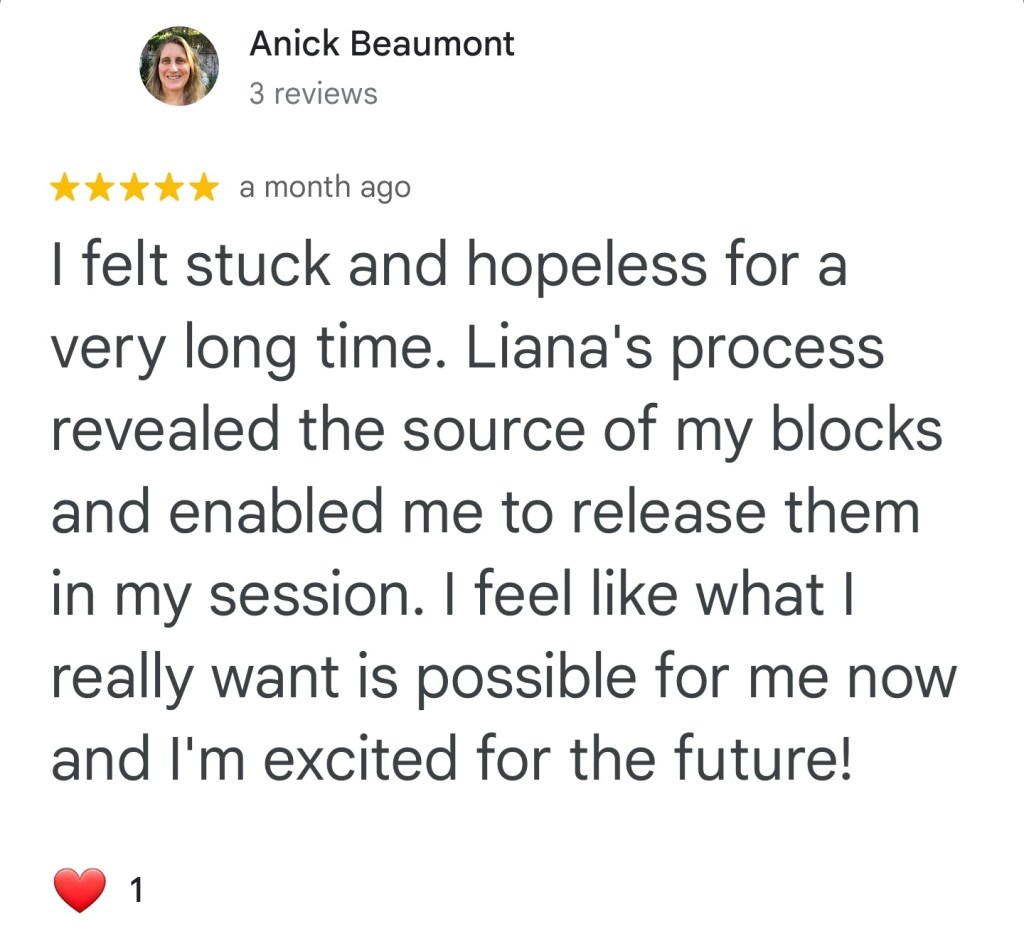
- Blocks to success and performance
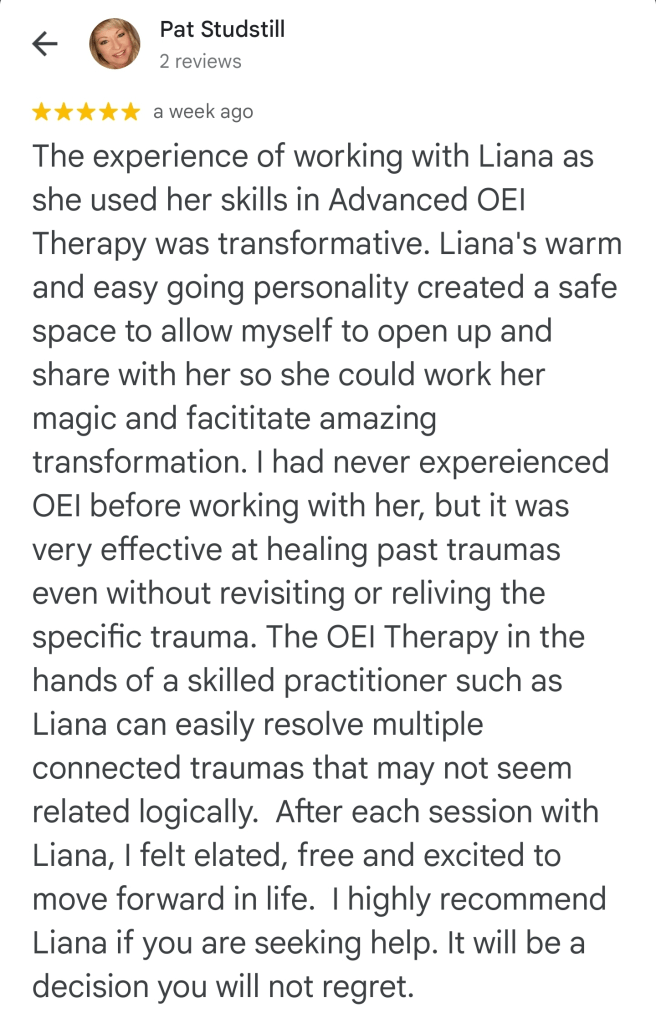
Because the approach is body-based and neurological, it can work without revivifying trauma.
You don’t have to remember to recover.
What to expect in a session
An OEI session feels very different from traditional talk therapy.
Instead of talking about the past, we focus on what’s happening in the here and now.
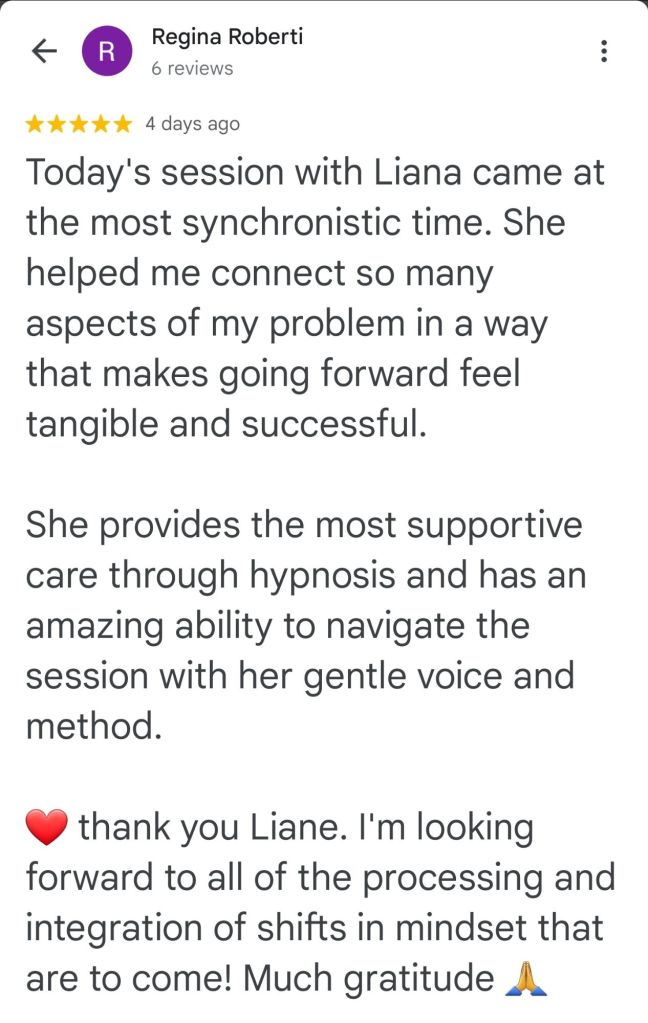
You’ll be guided through specific visual field techniques while connecting to the present moment.
You remain fully awake and aware, but the brain begins to reprocess trauma in a way that feels manageable.
Many clients feel a wave of calm as the nervous system resets.
Why OEI therapy works
Research shows that bilateral stimulation therapies like OEI and EMDR help the brain get unstuck by integrating traumatic memories and filing them properly into the past so they keep hijacking the present moment.
Instead of being triggered like the trauma is happening now, you can remember it as something that happened in the past.
This shift is what allows healing. T
he nervous system finally gets the signal: the danger is over.
At ease.
Next Step
If you’ve been carrying trauma for years, OEI therapy is able to integrate trauma using bilateral stimulation, even if nothing else has worked.
OEI therapy is practical, focused, and deeply regulating.
By working directly with the brain’s wiring, OEI helps you reclaim calm, safety, and connection.
For more about integration, check this next article.
Listen, are you breathing just a little and calling it a life?
-MO









































 Accelerated OEI Therapy
Leave a comment