What if the path to healing from trauma didn’t require you to relive painful, vivid details of the past?
Observed Experiential Integration (OEI) offers trauma survivors another way—one that works with the body’s own wisdom to process what understanding, logic, and language can’t solve.
Observed Experiential Integration (OEI) is a gentle, brain-wise trauma therapy developed to help clients process overwhelming experiences that talking alone often can’t reach.
It uses your eyes (the part of your brain that you can see from the outside), observation, and experiential processing to support gentle but deep healing while keeping the nervous system as regulated and resourced as possible.
What Is Accelerated OEI Trauma Therapy?
OEI is a trauma-focused psychotherapy approach that uses guided eye movements and visual-field techniques to help clients integrate (the neuroscience term for heal) distressing memories.
Rather than relying solely on language and past events, OEI works directly with the way trauma shows up in the body, senses, and nervous system.
In practice, the therapist closely observes subtle shifts in the client’s eyes, facial muscles, and body posture while guiding them through carefully structured visual tasks.
These gentle interventions can unlock “stuck” emotional and sensory material and support the brain’s natural capacity to heal and reorganize after trauma.
Accelerated OEI was founded by Liana West, MSc, and uses hypnotherapy and her background in Neuroscience to accelerate the outcomes of OEI to 4 weeks.
How OEI Was Developed
OEI grew out of the real-world challenges therapists were facing with complex trauma and dissociation in the 1990s.
Co-creators Dr. Rick Bradshaw and Audrey Cook noticed that while many people benefited from talk therapy, some remained flooded, shut down, or disconnected from their bodies when discussing traumatic experiences.
Cook’s early work with EMDR was especially important in OEI’s development. She saw that shifts in eye position and visual attention seemed to change how clients accessed and processed traumatic material, particularly in single-incident trauma.
This led her to experiment with specific integrative (healig) techniques that use the eyes that later became foundational OEI methods.
The Science and Logic Behind OEI
Modern trauma science recognizes that overwhelming experiences are often stored in fragmented form—as intense sensations, images, impulses, and emotions—rather than as a coherent story.
Information is not transformation.
Because of this, traditional talk-based approaches can sometimes leave the “felt” part of the trauma unresolved, even when clients understand what happened on a cognitive level.
OEI was designed to bridge this gap byy using eye positions and targeted visual-field interventions, the therapist can help work trauma-related material subconsciously in a way that the client can stay present with and process.
This supports integration across emotional, sensory, and cognitive systems, which is essential for sustainable relief from symptoms.
of a strong therapeutic alliance, clear consent, and careful pacing, especially when working with complex trauma and dissociation.
Research and Clinical Evidence
OEI’s development was formally documented in the paper Observed & Experiential Integration (OEI): Discovery and Development of a New Set of Trauma Therapy Techniques in 2011.
This publication outlines the clinical observations, conceptual framework, and early applications of the model, solidifying OEI as a distinct trauma therapy approach.
In 2013, a randomized clinical trial examined OEI as an intervention for posttraumatic stress disorder. The study found that clients who received OEI showed greater reductions in PTSD symptoms compared with a delayed-treatment control group, and many no longer met PTSD criteria after treatment.
While the research base is still emerging, these findings support OEI as a promising, evidence-informed modality for trauma recovery.
Why Accelerated OEI Can Feel Safer for Trauma Survivors
Many trauma survivors worry that revisiting painful memories will be overwhelming or re-traumatizing. OEI was intentionally developed to be as gentle and titrated as possible, allowing clients to approach traumatic material in manageable pieces.
Because OEI works directly with the visual system and body-based responses, clients don’t always have to go into graphic narrative detail for healing to occur.
Accelerated OEI tracks signs of flooding or shutdown and adjusts interventions in real time, helping clients stay within a “window of tolerance” where processing can happen subconsciously without losing safety or connection.
Neuroscience shows us that trauma isn’t stored as a neat narrative—it fragments into sensations, images, and emotional intensity that talking therapy alone may never touch. OEI was designed to access and integrate exactly what talk-based approaches often miss.
Accelerated OEI for Trauma
Observed Experiential Integration (OEI) is a gentle, neuroscience-backed trauma therapy designed for clients whose healing can’t be reached through talking alone.
By guided eye movements, visual-field techniques, and attuned observation, it helps clients process overwhelming experiences while keeping the nervous system regulated and resourced.
Rather than relying on narrative recall, OEI works directly with how trauma shows up in the body. Research has shown that clients receiving OEI experience greater reductions in PTSD symptoms compared to delayed-treatment controls, with many no longer meeting PTSD criteria after treatment.
Accelerated OEI offers a safer pathway to integration, making it particularly valuable for those with complex trauma, dissociation, or single-incident trauma who have not got the results they are looking for with more traditional talk-based approaches.
To learn more about how Accelerated OEI can help you, book a free Clarity session.
Listen, are you breathing just a little and calling it a life?
-MO
REVIEWS
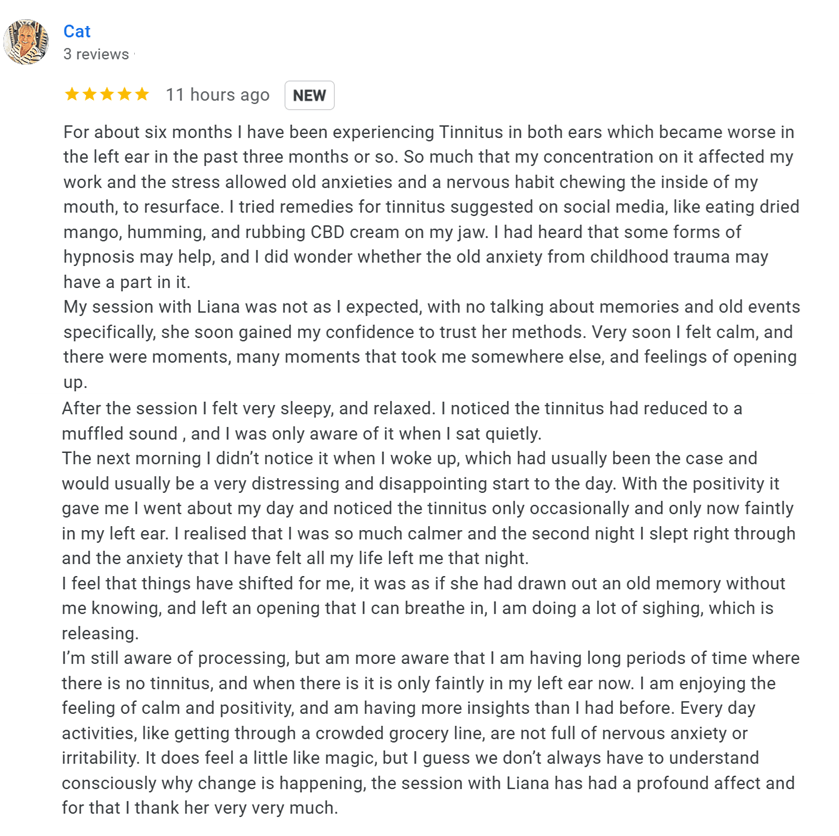
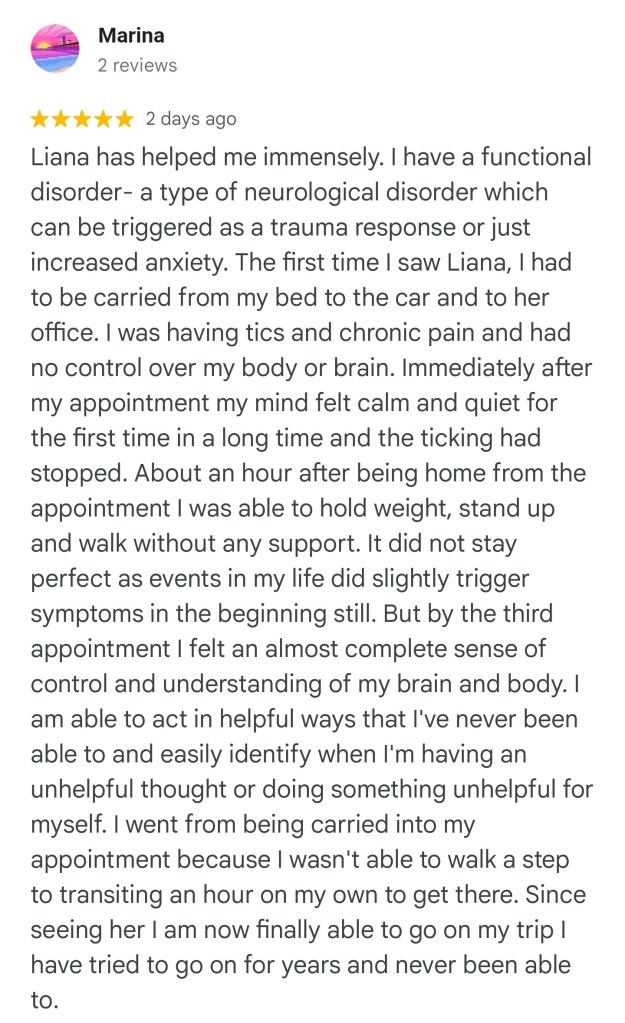




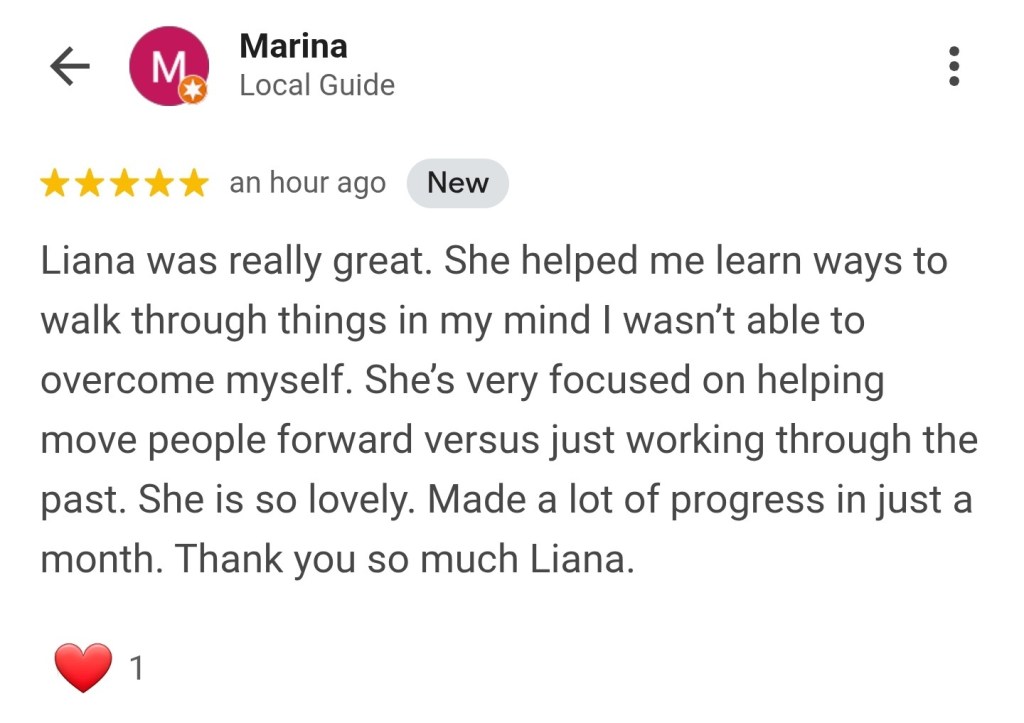



























 Accelerated OEI Therapy
Leave a comment